Unlocking the power of AI for competitor analysis is no longer a futuristic concept; it’s a practical tool for businesses seeking a competitive edge. This guide dives deep into the strategies, techniques, and tools needed to effectively leverage AI for comprehensive competitor research. From identifying key rivals to forecasting future market trends, we’ll equip you with the knowledge to gain a precise understanding of your competitive landscape.
This detailed exploration will walk you through the process of using AI-driven tools to analyze competitor data, strategies, and market positioning. We’ll cover the full spectrum, from the initial stages of competitor identification to implementing a robust AI-based analysis system, providing actionable steps and practical examples along the way. By the end, you’ll be well-prepared to integrate AI into your competitive intelligence framework.
Introduction to AI-Powered Competitor Analysis
AI is rapidly transforming various business functions, and competitor analysis is no exception. Leveraging AI tools allows businesses to gain a deeper understanding of their competitors, anticipate market trends, and make more informed strategic decisions. This analysis goes beyond traditional methods, offering a more comprehensive and efficient approach to market intelligence.AI-powered competitor analysis tools automate the process of collecting, processing, and analyzing vast amounts of data, providing insights that might be missed by manual methods.
This capability is invaluable in today’s fast-paced and data-rich marketplace, allowing businesses to stay ahead of the curve and adapt to changing dynamics.
AI’s Role in Competitor Research
AI excels at sifting through massive datasets of publicly available information to identify key patterns and trends in competitor activity. This includes analyzing social media posts, news articles, and online reviews, as well as financial reports and marketing campaigns. By automating this process, AI tools free up valuable human resources to focus on strategic interpretation and action planning.
Benefits of AI-Driven Analysis
Implementing AI-powered competitor analysis offers several advantages. It significantly reduces the time required for research, allowing businesses to stay agile and responsive to changes in the market. Furthermore, AI tools can identify subtle patterns and correlations that might be missed by human analysts, leading to more accurate insights and strategic decision-making. Ultimately, this increased efficiency and accuracy can drive better business outcomes.
Types of Competitor Data Gathered Using AI
AI tools can gather a wide range of data to inform competitor analysis. This includes market share data, pricing information, product specifications, marketing strategies, and customer reviews. Furthermore, AI can analyze online engagement data, such as social media activity and website traffic, to understand customer sentiment and engagement levels.
Limitations of AI-Driven Competitor Analysis
While AI tools offer significant advantages, they are not without limitations. One key consideration is the quality of the data input. If the initial data is inaccurate or incomplete, the analysis results will be similarly flawed. Furthermore, AI algorithms may struggle with nuanced or subjective data, such as the interpretation of social media sentiment or the evaluation of a competitor’s brand image.
Finally, understanding the underlying reasoning behind AI-driven insights is crucial, as sometimes the “black box” nature of algorithms can make it difficult to discern the specific drivers behind certain conclusions.
Comparison of Manual vs. AI-Driven Competitor Analysis
| Feature | Manual Analysis | AI-Driven Analysis |
|---|---|---|
| Speed | Slow, time-consuming, often days or weeks | Fast, results available within hours or days |
| Accuracy | Subject to human error, potential for bias | Objective, based on algorithms, but reliant on data quality |
| Cost | Relatively low, relying on employee time | Can vary significantly depending on the tool and data volume |
| Resources Required | Highly skilled analysts, potentially extensive research time | Specialized software or tools, potentially requiring some technical expertise |
Identifying Key Competitors
Identifying key competitors is a crucial first step in any effective competitor analysis. A precise understanding of your competitive landscape allows you to allocate resources strategically, anticipate market shifts, and ultimately, enhance your business’s performance. This section will explore various strategies for identifying relevant competitors, segmenting them based on their strengths and weaknesses, and leveraging AI tools for real-time monitoring.
Strategies for Identifying Relevant Competitors
Understanding your competitive landscape extends beyond simply recognizing direct rivals. A comprehensive approach considers indirect competitors, emerging threats, and potential future competitors. This holistic view helps anticipate challenges and opportunities in the market.
- Direct Competitors: These are businesses offering similar products or services to yours, targeting the same customer base. Identifying them involves analyzing market share, pricing strategies, and product features.
- Indirect Competitors: These businesses offer alternative solutions to your customers’ needs. They may not offer precisely the same product, but they address the same customer problems. For instance, a subscription streaming service competes indirectly with traditional cable television providers.
- Emerging Competitors: These are businesses that are new to the market or are rapidly expanding, potentially posing a threat in the future. Tracking emerging technologies and innovative solutions is essential to recognizing these threats early.
- Future Competitors: Anticipating future competitors requires analyzing technological advancements, market trends, and potential entrants. This proactive approach helps you prepare for evolving competitive landscapes.
Segmenting Competitors Based on Strengths and Weaknesses
Categorizing competitors by their strengths and weaknesses provides actionable insights. This segmentation allows you to focus on specific areas where you can differentiate yourself or identify opportunities for improvement.
- Market Share Analysis: Examining each competitor’s market share reveals their relative dominance and impact on the market. High market share often indicates strong brand recognition and customer loyalty.
- Financial Performance: Analyzing competitor financial reports, such as revenue, profit margins, and investment strategies, reveals their financial health and long-term viability. This analysis can uncover vulnerabilities or growth opportunities.
- Product/Service Differentiation: Assessing competitor product or service offerings reveals their strengths and weaknesses in terms of features, quality, and pricing. This allows for identification of potential gaps in the market.
- Customer Reviews and Feedback: Analyzing online reviews and feedback can reveal customer perceptions of each competitor. Understanding customer satisfaction and dissatisfaction levels provides insights into areas where competitors excel or struggle.
Competitive Analysis Frameworks
Applying structured frameworks to your competitor analysis strengthens your understanding of the competitive landscape. These frameworks offer a standardized approach for evaluating and categorizing competitors.
- Porter’s Five Forces: This framework helps assess the competitive intensity and attractiveness of an industry. Understanding the bargaining power of suppliers and buyers, the threat of new entrants, and the rivalry among existing competitors provides a holistic view of the competitive landscape.
- SWOT Analysis: This framework identifies a competitor’s internal strengths and weaknesses, as well as external opportunities and threats. Using this framework to understand each competitor’s profile allows for strategic positioning and resource allocation.
- Value Chain Analysis: This framework examines each competitor’s value creation process. Analyzing different stages of the value chain reveals areas of potential differentiation and competitive advantage.
AI-Powered Competitor Tracking
AI tools enable real-time monitoring of competitor activities, providing invaluable insights into their strategies and market positioning.
- Social Media Monitoring: AI tools can track social media activity, identifying trends, customer sentiment, and engagement levels associated with competitors.
- Website Monitoring: AI can track website updates, product launches, pricing changes, and marketing campaigns. This real-time monitoring allows for quick responses to competitive actions.
- Market Trend Analysis: AI can identify emerging trends and patterns in the market, providing insights into potential future competitive actions.
Competitor Identification Tools
Various tools aid in identifying and tracking competitors. These tools leverage AI to enhance efficiency and accuracy.
| Tool | Features |
|---|---|
| Brandwatch | Social media monitoring, brand reputation management, market research |
| SEMrush | research, competitor analysis, audits, and marketing campaign tracking |
| SimilarWeb | Website traffic analysis, competitor benchmarking, and market share insights |
| Spyfu | research, competitor analysis, and advertising campaign tracking |
Gathering Competitive Intelligence
AI-powered competitor analysis relies heavily on gathering comprehensive intelligence from various sources. This process involves extracting, organizing, and analyzing data to understand competitor strategies, product offerings, and market positioning. By leveraging AI, businesses can gain a significant advantage in the marketplace, identifying opportunities and mitigating potential threats.
Data Sources for Competitor Analysis
AI algorithms can access a wide range of data sources to build a comprehensive profile of competitors. These sources range from publicly available information to proprietary databases. Crucial data points include competitor websites, social media presence, press releases, industry reports, and financial data. AI can also extract data from competitor interactions with customers, such as reviews and feedback.
Methods for Extracting and Organizing Competitor Data
AI tools employ sophisticated techniques to extract and organize competitor data. These methods include web scraping, natural language processing (NLP), and machine learning algorithms. Web scraping automates the process of collecting data from websites, while NLP allows AI to understand and interpret unstructured text data like news articles and social media posts. Machine learning algorithms further refine the analysis by identifying patterns and trends within the collected data.
Analyzing Competitor Products, Services, and Marketing Strategies
AI can analyze competitor products, services, and marketing strategies to identify strengths and weaknesses. AI tools can analyze product descriptions, specifications, and user reviews to understand the value proposition and customer perception. They can also analyze marketing campaigns to determine the effectiveness of different strategies and messaging approaches. For example, an AI could identify common themes in competitor advertising copy to pinpoint their target audience and marketing objectives.
Analyzing Competitor Pricing Strategies
AI can analyze competitor pricing strategies to identify trends and patterns. AI tools can analyze competitor pricing data, including historical pricing, discounts, and promotions. By analyzing this data, AI can help businesses determine competitor pricing strategies and optimize their own pricing models. For example, AI can predict competitor price changes based on historical data and market trends, enabling businesses to adjust their pricing accordingly.
Analyzing Competitor Customer Reviews and Feedback
AI can effectively analyze competitor customer reviews and feedback to understand customer sentiment and identify areas for improvement. AI can identify recurring themes and negative sentiments expressed in reviews, helping businesses understand customer pain points and potential areas of concern. For instance, an AI analysis of customer reviews might reveal that a competitor’s customer service is frequently cited as a weakness.
This insight allows businesses to improve their own service offerings.
Comparison of AI Tools for Competitor Intelligence
| AI Tool | Data Sources | Data Extraction Methods | Analysis Capabilities | Pricing |
|---|---|---|---|---|
| Brandwatch | Social media, online reviews, news | Web scraping, NLP | Sentiment analysis, topic modeling | Variable, based on features and volume |
| SEMrush | Search engine data, website traffic, competitor s | Web crawling, API integrations | research, competitive analysis, | Variable, based on features and volume |
| SimilarWeb | Website traffic, app downloads | Web analytics | Website traffic analysis, app store ranking | Variable, based on features and volume |
| SpyFu | data, competitor ad campaigns | research, ad tracking | research, competitor ad analysis | Variable, based on features and volume |
Note: Pricing models for AI tools often vary based on the volume of data processed, the number of users, and the specific features included.
Analyzing Competitor Strategies

Unveiling competitor strategies is crucial for informed decision-making. A deep understanding of how competitors operate, their strengths and weaknesses, and their potential future moves allows businesses to anticipate market shifts and proactively adjust their own strategies. AI-powered tools offer powerful insights into competitor actions, providing a competitive edge in today’s dynamic marketplace.Advanced analytics and machine learning algorithms can identify patterns and trends in competitor behavior, enabling businesses to anticipate their next moves and adjust their own strategies accordingly.
This proactive approach to competitor analysis can lead to significant improvements in market positioning and profitability.
Identifying Competitor Strategies Using AI
AI algorithms can analyze various data sources, including social media posts, press releases, website content, and market reports, to identify patterns and trends indicative of competitor strategies. Natural language processing (NLP) techniques allow AI to extract meaningful insights from unstructured data, such as customer reviews and industry discussions, to identify competitor strengths and weaknesses.
Predicting Competitor Actions and Future Developments
AI excels at identifying patterns in historical data to predict future competitor actions. Machine learning models can analyze past market trends, product launches, and pricing strategies to predict potential future moves. For example, a model might identify a correlation between competitor pricing changes and market share fluctuations, allowing businesses to anticipate similar responses in the future. These predictions provide a critical advantage in adapting to evolving market dynamics.
Identifying Competitor Strengths and Weaknesses
AI tools can systematically analyze competitor marketing campaigns, product offerings, and customer reviews to identify key strengths and weaknesses. Sentiment analysis can determine public perception of a competitor’s products or services, revealing areas of potential vulnerability or advantage. This data-driven approach can be invaluable in developing effective counterstrategies and capitalizing on market opportunities.
Analyzing Competitor Market Positioning
AI can analyze competitor market positioning by examining their target audience, pricing strategies, and marketing channels. By analyzing competitor website traffic, social media engagement, and online reviews, businesses can gain a comprehensive understanding of their market positioning and identify opportunities to differentiate their own offerings. This enables a precise understanding of their position in the market and potential strategies for improvement.
Comparing and Contrasting Competitor Strategy Analysis Techniques
Different AI-powered tools utilize various techniques to analyze competitor strategies. Some focus on sentiment analysis to gauge public perception, while others leverage econometric models to predict market share fluctuations. Comparing and contrasting these techniques allows businesses to select the most appropriate tools and methods for their specific needs.
SWOT Analysis Using AI
A comprehensive SWOT analysis (Strengths, Weaknesses, Opportunities, and Threats) provides a structured overview of a competitor’s position. AI tools can automate the data collection and analysis necessary for a robust SWOT analysis, significantly improving efficiency and accuracy.
| Category | Competitor A | Competitor B |
|---|---|---|
| Strengths | Strong brand recognition, extensive distribution network | Innovative product features, strong online presence |
| Weaknesses | High production costs, limited customer service | Lack of brand awareness, inconsistent product quality |
| Opportunities | Emerging market expansion, potential partnerships | New product line development, strategic acquisitions |
| Threats | Increasing competition, economic downturn | Regulatory changes, potential lawsuits |
Forecasting Future Trends
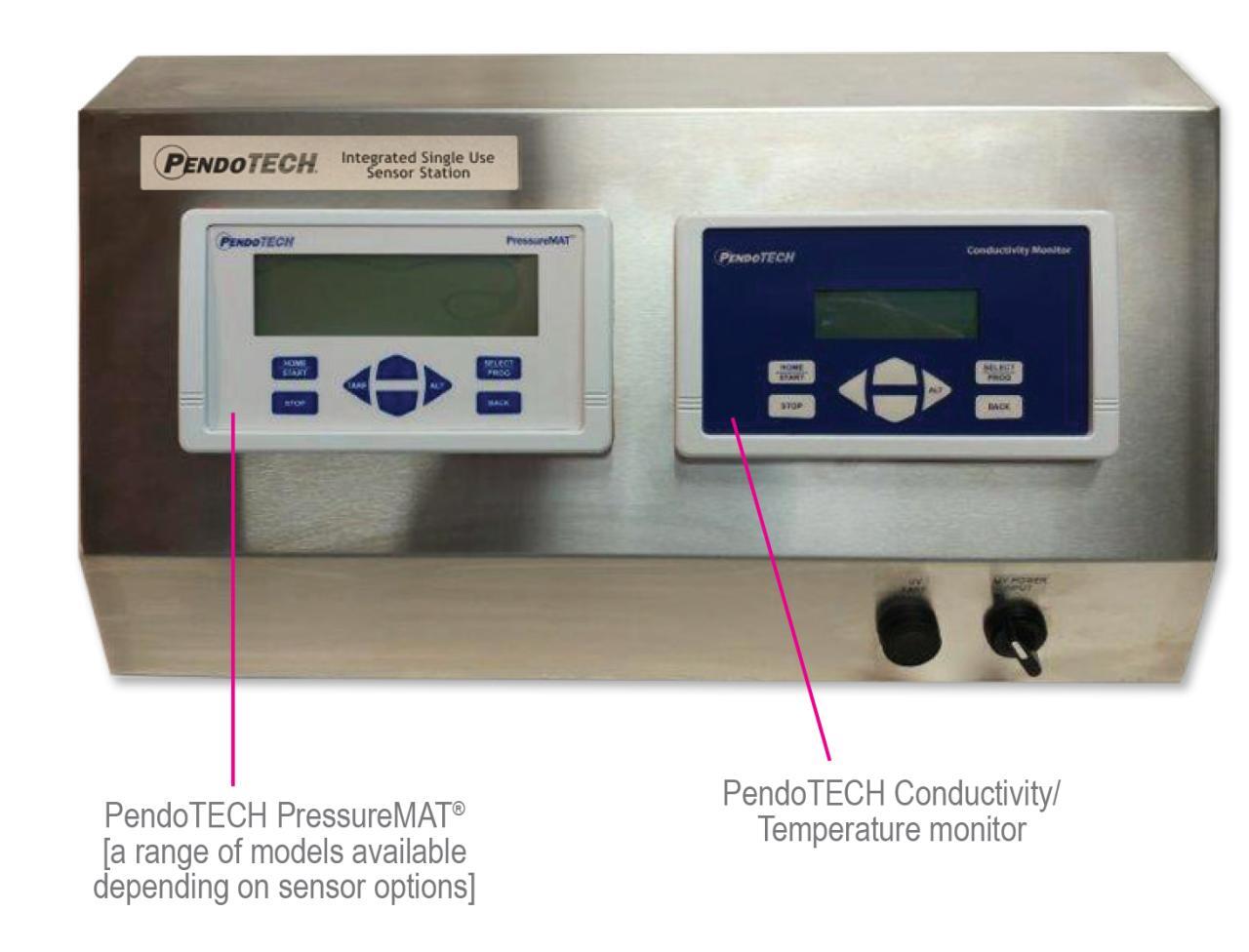
Predicting the future competitive landscape is a crucial aspect of strategic planning. AI-powered tools can significantly enhance this process by analyzing vast amounts of data, identifying patterns, and extrapolating potential future scenarios. This analysis allows businesses to anticipate market shifts, competitor responses, and emerging opportunities or threats. By leveraging AI, companies can make more informed decisions, adapt more quickly, and gain a competitive edge in the evolving market.
Methods for Analyzing Industry Trends
AI algorithms excel at identifying patterns and trends in large datasets. This is achieved through various machine learning techniques. These include time series analysis to identify historical patterns, sentiment analysis to gauge public opinion and market sentiment, and natural language processing to extract insights from news articles, social media, and other textual data. By analyzing these diverse data sources, AI can uncover subtle indicators of upcoming trends, which would otherwise be missed by human analysts.
A crucial aspect of this process is the integration of diverse data sources to provide a holistic view of the market.
Predicting Competitor Reactions to Market Changes
Forecasting competitor reactions involves analyzing their past behavior and responses to similar market shifts. AI can identify correlations between market events and competitor actions. By examining competitor strategies and their response to prior challenges or opportunities, AI models can predict likely responses to future market changes. This understanding is vital in anticipating potential countermeasures and adjusting strategies proactively.
Consider the example of a company introducing a new product. AI can analyze how competitors reacted to similar product launches in the past, helping anticipate price wars, promotional campaigns, or new product introductions from competitors.
Identifying Emerging Threats and Opportunities
AI excels at identifying emerging trends and their potential impact. By analyzing vast datasets of market information, AI can identify emerging threats and opportunities that human analysts might overlook. This includes identifying new technologies, evolving consumer preferences, and regulatory changes that could reshape the competitive landscape. Examples include the rise of e-commerce, the increasing adoption of mobile technology, and the growing demand for sustainable products.
AI can flag these shifts and their implications for competitors, enabling businesses to adapt and capitalize on new opportunities.
Predicting Market Share Shifts
AI can model various scenarios to predict market share shifts. These models incorporate historical data, competitor actions, and external factors to forecast potential market share changes. For instance, a company introducing a superior product might see a significant market share increase, as predicted by the AI model. By analyzing competitor strengths and weaknesses, as well as the overall market dynamics, AI can provide insights into potential market share shifts.
A reliable dataset with accurate data is crucial for building accurate models and gaining reliable insights.
Forecasted Future Trends in the Industry
| Trend | Description | Potential Impact on Competitors |
|---|---|---|
| Rise of personalized products | Customers demand products tailored to their individual needs and preferences. | Competitors need to develop systems for personalization, or risk losing customers to those that can. |
| Increased emphasis on sustainability | Consumers are increasingly conscious of environmental issues and prefer sustainable products. | Competitors that prioritize sustainability will gain a competitive advantage. |
| Growth of AI-powered services | AI-driven tools and services are becoming more prevalent in various industries. | Competitors need to adapt to AI and use it in their processes to stay relevant. |
| Shifting consumer preferences | Trends and styles change rapidly; consumer preferences are highly volatile. | Companies must be agile and adaptable to stay competitive. |
Implementing AI for Competitor Analysis

Successfully integrating AI into your competitor analysis strategy requires careful planning and execution. This process goes beyond simply purchasing an AI tool; it necessitates a strategic approach that aligns with your existing business processes and data infrastructure. Effective implementation hinges on understanding the nuances of your data, selecting the right AI tools, and establishing robust validation procedures. A well-structured system not only provides valuable insights but also facilitates continuous improvement and adaptation to a rapidly evolving competitive landscape.Implementing an AI-driven competitor analysis system involves a series of interconnected steps, from initial setup to ongoing monitoring and refinement.
By carefully considering each stage, businesses can maximize the value derived from AI-powered analysis.
Setting Up an AI-Driven Competitor Analysis System
This process involves several key steps: data collection, tool selection, and system integration. Data collection requires careful consideration of the types of data needed, ensuring data quality and consistency. Tools should be selected based on specific analysis needs, and the system should be integrated with existing business processes to avoid data silos.
- Data Collection and Preparation: Define the specific data points crucial for your analysis. This includes identifying sources (e.g., market research reports, social media, news articles, competitor websites). Establish standardized data formats to ensure consistency. Cleaning and pre-processing the data are essential to remove inconsistencies and inaccuracies that could skew analysis results. This step ensures the AI model receives high-quality input for accurate and reliable predictions.
- Tool Selection and Integration: Choose AI tools that align with your analysis objectives. Consider factors like data processing capabilities, analysis algorithms, and visualization options. A key aspect of this stage is ensuring seamless integration with your existing business intelligence platforms and databases. This avoids data duplication and improves efficiency.
- System Validation and Testing: Thoroughly validate the AI system’s outputs against known data or established benchmarks to confirm accuracy and reliability. This step includes testing the system’s performance on various datasets to ensure consistency and identify potential biases. Regular testing and validation help maintain the system’s integrity and accuracy over time.
Integrating AI Tools into Existing Business Processes
Smooth integration with existing business processes is crucial for maximizing the impact of AI tools. This approach ensures that AI insights are readily available to decision-makers, enhancing efficiency and facilitating informed decisions.
- Workflow Automation: Integrate AI tools into existing workflows to automate tasks like data collection, competitor analysis, and reporting generation. This streamlines processes, frees up personnel for more strategic tasks, and reduces manual errors.
- Data Visualization and Reporting: Implement dashboards and reports that present AI-generated insights in a clear and concise manner. This ensures that key stakeholders have easy access to relevant information, enabling quicker and more informed decision-making.
- Collaboration and Communication: Facilitate collaboration between teams by creating channels for sharing AI-generated insights and recommendations. This fosters a culture of data-driven decision-making.
Best Practices for Using AI to Analyze Competitor Data
Implementing best practices ensures the AI system’s output is reliable and insightful. This approach also helps to identify and mitigate potential biases.
- Data Validation and Accuracy: Employ robust data validation procedures to ensure the accuracy and reliability of the data used for analysis. This includes checking for inconsistencies, outliers, and potential biases. Cross-referencing data from multiple sources enhances the reliability of the analysis.
- Bias Mitigation: Carefully consider potential biases in the data and algorithms. Implement measures to mitigate these biases, ensuring that the AI system provides an unbiased view of the competitive landscape.
- Continuous Monitoring and Improvement: Regularly monitor the AI system’s performance and identify areas for improvement. Continuously updating the system with new data and refining algorithms ensures its accuracy and relevance over time. Adjusting the model based on feedback and new data is vital to ensure its continued efficacy.
Step-by-Step Guide to Implementing an AI-Based Competitive Analysis System
A well-defined process is key to successful implementation.
- Define Objectives: Clearly articulate the goals of the competitor analysis. What specific insights are you seeking?
- Data Collection: Identify and gather relevant data from various sources.
- Tool Selection: Choose appropriate AI tools based on your objectives and data characteristics.
- Integration: Integrate the AI tools into your existing business processes.
- Testing and Validation: Validate the system’s outputs against known data or benchmarks.
- Deployment and Monitoring: Deploy the system and continuously monitor its performance.
Key Performance Indicators (KPIs) for Measuring Effectiveness
These KPIs measure the effectiveness of the AI system in providing accurate and useful insights.
| KPI | Description |
|---|---|
| Accuracy of Predictions | Percentage of correct predictions compared to actual outcomes. |
| Timeliness of Insights | Speed at which the AI system delivers actionable insights. |
| Reduction in Analysis Time | Measure of the efficiency gains in competitor analysis. |
| Improvement in Decision-Making | Assessment of the impact of AI-generated insights on strategic decisions. |
| Cost Savings | Quantifiable reduction in costs associated with competitor analysis. |
Closing Notes
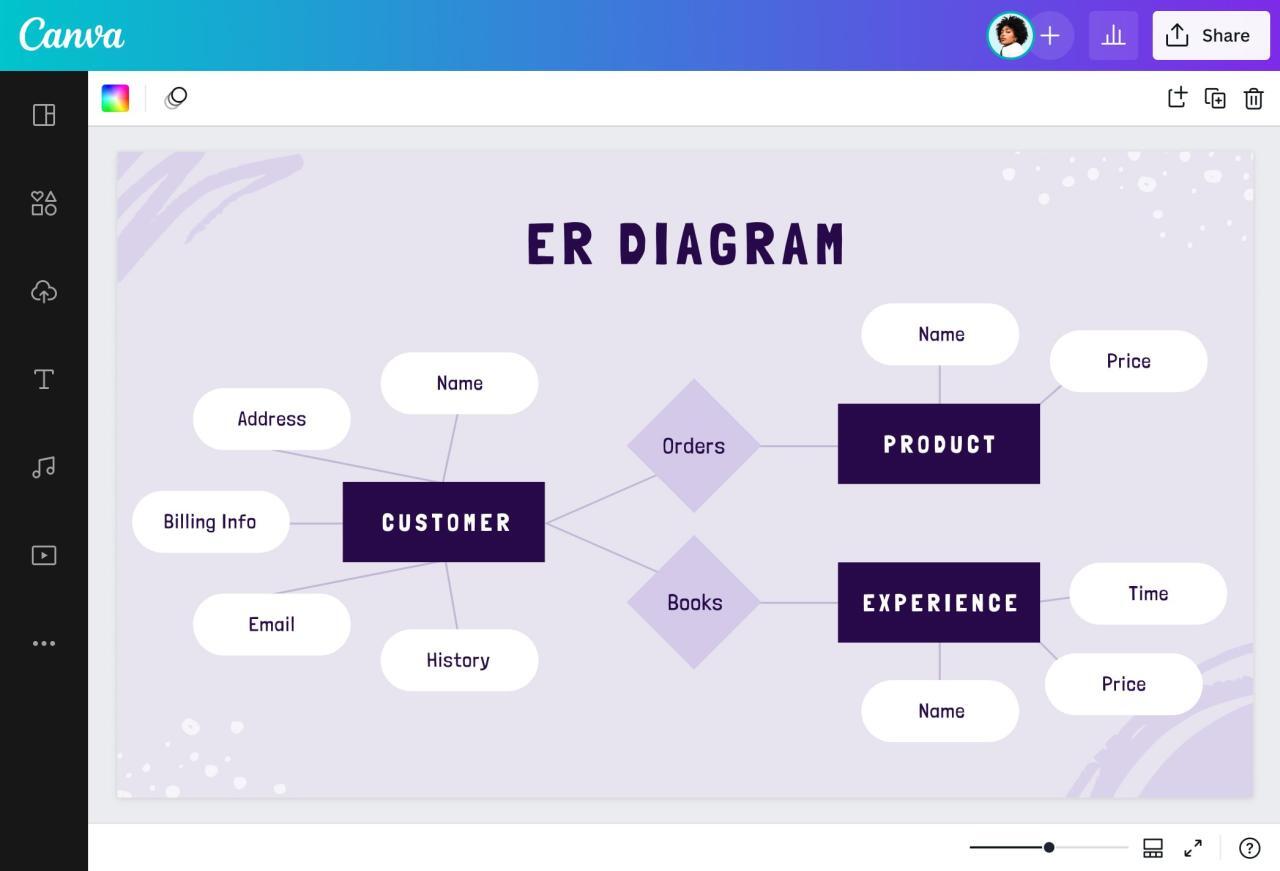
In conclusion, mastering the use of AI for competitor analysis is crucial for navigating today’s dynamic market. This guide has provided a roadmap for identifying, understanding, and responding to competitors, ultimately positioning your business for success. By integrating the strategies Artikeld here, you can achieve a profound understanding of the competitive landscape, allowing you to adapt and thrive.
The key takeaway is that AI isn’t just a tool; it’s a powerful ally in the quest for competitive advantage. By utilizing AI effectively, you can transform your competitor analysis from a reactive task to a proactive strategic initiative.