In today’s information-rich world, the ability to quickly grasp the essence of lengthy articles and reports is crucial. This guide provides a comprehensive overview of how to effectively summarize long documents using AI, covering everything from understanding different input formats to optimizing the resulting summaries for clarity and accuracy. We will explore various summarization techniques, examine AI tools, and discuss strategies for handling complex documents, ensuring reliable results.
From academic research papers to business reports, the sheer volume of information can be overwhelming. This detailed guide empowers users to efficiently extract key insights from lengthy texts, saving valuable time and improving overall workflow efficiency. The methods presented here will help you transform complex information into concise, actionable summaries.
Introduction to Summarization

Summarizing long articles and reports involves condensing the key information and arguments into a concise, coherent, and accurate representation. This process distills the essence of the original text, highlighting the most important points while omitting less crucial details. Effective summarization is crucial for efficient information processing and knowledge acquisition.Efficient summarization is vital in numerous fields, including research, business, and education.
Rapidly grasping the core message of lengthy documents allows individuals to make informed decisions, identify key trends, and synthesize complex information quickly. This time-saving aspect is particularly valuable in today’s fast-paced information environment.
Importance of Summarization
Summarization facilitates rapid comprehension of voluminous information. This ability is essential for researchers needing to synthesize findings from numerous academic papers, for executives needing to grasp the key takeaways from extensive reports, and for students seeking to quickly understand complex concepts. The speed and efficiency gained through summarization enable quicker decision-making and improved learning outcomes.
Benefits of Automated Summarization Tools
Automated summarization tools offer several advantages over manual methods. These tools can process large volumes of text quickly, identifying key phrases and sentences automatically. This speed and efficiency allow for the analysis of massive datasets and the extraction of essential insights in a fraction of the time it would take a human. Furthermore, the consistency and objectivity of automated systems reduce bias and human error, resulting in more reliable summaries.
Brief History of Text Summarization Techniques
Early text summarization techniques focused on extracting key sentences from the original text. These methods often relied on matching or statistical analysis of sentence importance. As computational power increased, more sophisticated algorithms emerged, leveraging natural language processing (NLP) and machine learning techniques. These advancements allowed for more nuanced summarization, incorporating contextual understanding and capturing the overall meaning of the text.
More recently, the advent of large language models (LLMs) has enabled even more comprehensive and insightful summaries.
Manual vs. Automated Summarization
| Feature | Manual Summarization | Automated Summarization |
|---|---|---|
| Speed | Slow, time-consuming, dependent on human capacity | Fast, efficient, capable of processing large volumes of text quickly |
| Accuracy | Subjective, prone to bias and errors | Objective, minimizing bias and errors, dependent on algorithm quality |
| Cost | High, requiring significant human resources | Low, reducing reliance on expensive human labor |
| Scalability | Limited, difficult to apply to large datasets | High, readily applicable to large datasets |
| Flexibility | Flexible, adaptable to specific needs | Adaptable, customizable to different summarization styles and needs |
Manual summarization, while adaptable, is time-intensive and prone to human error. Automated methods, on the other hand, provide speed and consistency, making them suitable for handling large datasets. The table highlights the significant advantages of automated summarization tools in terms of speed, accuracy, and scalability.
Understanding Input Formats
Different summarization tools often require specific input formats to function effectively. This section details the importance of various formats, including examples and preparation steps. Understanding these nuances ensures optimal results when using AI for summarization tasks.Input formats significantly influence the accuracy and efficiency of summarization tools. A well-formatted document allows the AI model to parse the text correctly, identify key information, and generate a concise summary.
Poorly formatted documents can lead to inaccurate or incomplete summaries.
Different Text Formats
Various text formats, each with its own structure, require distinct handling. Common examples include PDF, DOCX, HTML, and plain text. Each format presents unique challenges and opportunities for efficient summarization.
- PDF (Portable Document Format): PDFs often contain complex layouts, images, and embedded objects. Extracting the textual content from a PDF requires careful processing to ensure accuracy. Tools like PDF-to-text converters are essential for transforming PDFs into a format usable by summarization engines.
- DOCX (Microsoft Word Document): DOCX files, commonly used for documents and reports, contain formatting instructions. Extracting the text content without the formatting is crucial. Tools often included in office suites can handle this conversion, or specialized libraries can be used to parse and clean the text for summarization.
- HTML (HyperText Markup Language): HTML documents are structured with tags and elements for formatting. Tools can be used to extract the text content from HTML, often stripping the formatting tags. The crucial step is to separate the text from the formatting to ensure a clean input for the summarization engine.
- Plain Text: Plain text documents are the simplest format. They contain only the text content, eliminating the need for conversion steps, making them the most straightforward input for summarization tools.
Preparing Different Input Formats
Thorough preparation of input documents is vital for accurate summarization. This process varies based on the input format.
- PDF: Using a dedicated PDF converter, carefully extract the text content from the PDF. Avoid potential loss of information by selecting appropriate options in the converter to ensure accuracy. The resulting text should be a plain text file for input.
- DOCX: Utilize the built-in features of word processing software or dedicated libraries to convert the DOCX file into plain text. Ensure that formatting and embedded objects are removed to focus solely on the text content.
- HTML: Employ web scraping or HTML parsing libraries to extract the text content from the HTML document. This process usually involves removing HTML tags and other formatting elements.
Converting Formats to Suitable Input
The transformation of different input formats into a suitable format for summarization engines often involves using dedicated tools or libraries. These tools provide a standardized input format, enabling effective summarization.
- PDF to Text: Many PDF to text converters are readily available online and as software packages. They typically convert the PDF to a plain text file.
- DOCX to Text: Word processing software or programming libraries can perform this conversion. These tools extract the text content, stripping away formatting elements.
- HTML to Text: HTML parsing libraries are used to extract the text content from the HTML document, resulting in a plain text output.
Optimal Format for Different Summarization Methods
The optimal format for summarization often depends on the specific method used.
| Summarization Method | Optimal Input Format |
|---|---|
| Extractive Summarization | Plain text |
| Abstractive Summarization | Plain text or structured data |
| Neural Network-Based Summarization | Plain text or pre-processed structured data |
Methods for Summarization
Summarizing lengthy articles and reports is a crucial skill in today’s information-rich environment. Effective summarization techniques allow us to quickly grasp the core ideas and key information without needing to read the entire document. AI-powered summarization tools are playing an increasingly important role in this process, offering both speed and accuracy. This section explores different summarization methods, their strengths and weaknesses, and how AI can be utilized to extract key insights.Different approaches exist for summarizing documents, each with its own set of advantages and disadvantages.
The choice of method often depends on the specific needs and characteristics of the document being summarized. We will examine extractive and abstractive summarization, highlighting their respective applications and limitations. Understanding these distinctions is vital for selecting the most appropriate technique for a given task.
Extractive Summarization
Extractive summarization techniques select and combine sentences or phrases directly from the original document to create a summary. This approach retains the original text’s words, potentially improving accuracy in preserving factual information.
- Advantages: Extractive summarization is generally faster and easier to implement than abstractive summarization. It is often more accurate in retaining factual information, making it suitable for situations where preserving exact details is paramount.
- Disadvantages: Extractive methods may not capture the overall meaning or context of the document effectively. The summary can appear fragmented or lack coherence if the selected sentences do not flow logically. The summary may also be too short or fail to capture the key insights if the algorithm lacks sufficient context awareness.
- Examples: News articles, legal documents, and academic papers where precise factual information is critical. Consider summarizing a scientific report – extractive summarization would effectively capture the main findings, experimental data, and conclusions presented in the text.
Abstractive Summarization
Abstractive summarization goes beyond simply selecting text segments. It aims to create a concise summary by paraphrasing and rephrasing the key ideas, often using different words and sentence structures. This method can produce more concise and coherent summaries.
- Advantages: Abstractive summarization can produce more comprehensive and insightful summaries, effectively capturing the overall meaning and context of the document. The summaries can be more concise and impactful than extractive summaries.
- Disadvantages: Abstractive summarization can be more complex to implement and requires sophisticated language models. The risk of introducing inaccuracies or misinterpretations of the original text is higher. Ensuring accuracy and maintaining faithfulness to the source material is a key challenge.
- Examples: Summarizing complex research papers or news articles where a high-level overview and synthesis of ideas are needed. Imagine condensing a lengthy business report – abstractive summarization would effectively encapsulate the core strategic recommendations and conclusions.
Comparing Methods
A table comparing extractive and abstractive summarization techniques highlights their contrasting characteristics:
| Feature | Extractive | Abstractive |
|---|---|---|
| Method | Selects and combines sentences from the original text. | Paraphrases and rewrites key information. |
| Accuracy | Generally higher in preserving factual accuracy. | Potentially higher in capturing overall meaning but with risk of inaccuracies. |
| Conciseness | Can be less concise depending on the selection algorithm. | Generally more concise due to paraphrasing. |
| Complexity | Simpler to implement. | More complex due to need for language understanding. |
AI in Identifying Key Information
AI plays a crucial role in identifying key information in various document types. By analyzing the text structure, context, and semantic meaning, AI algorithms can prioritize information and produce concise summaries.
- Document Types: AI can effectively summarize various documents, including news articles, research papers, legal briefs, financial reports, and even social media posts. It can identify key facts, arguments, opinions, and conclusions from a wide array of content.
AI-Powered Summarization Tools

AI-powered summarization tools are rapidly evolving, offering significant assistance in processing vast amounts of textual data. These tools leverage sophisticated algorithms and machine learning models to condense lengthy articles and reports into concise summaries, saving users valuable time and effort. This section will explore several prominent AI tools, their features, and effective use, alongside their limitations and potential biases.Effective use of these tools requires understanding their capabilities and limitations.
Knowing how to select the appropriate tool for a specific task and critically evaluating the output is crucial for accurate and reliable information extraction.
Examples of AI Summarization Tools
Numerous AI tools are available for summarizing articles and reports. Some popular choices include tools from leading technology companies, as well as open-source options. Examples include, but are not limited to, tools integrated within search engines, dedicated summarization APIs, and specialized software applications. Understanding the capabilities and limitations of each tool is vital to their effective utilization.
Features and Functionalities of AI Summarization Tools
AI summarization tools vary in their specific functionalities. Common features include the ability to generate different levels of summaries (e.g., short, medium, or long summaries), adjust the summarization style (e.g., factual, concise, or opinionated), and handle diverse input formats (e.g., text documents, web pages, or PDF files). Some advanced tools can even summarize multiple documents simultaneously, identify key entities and relationships within the text, and integrate with other data analysis tools.
How to Use AI Summarization Tools Effectively
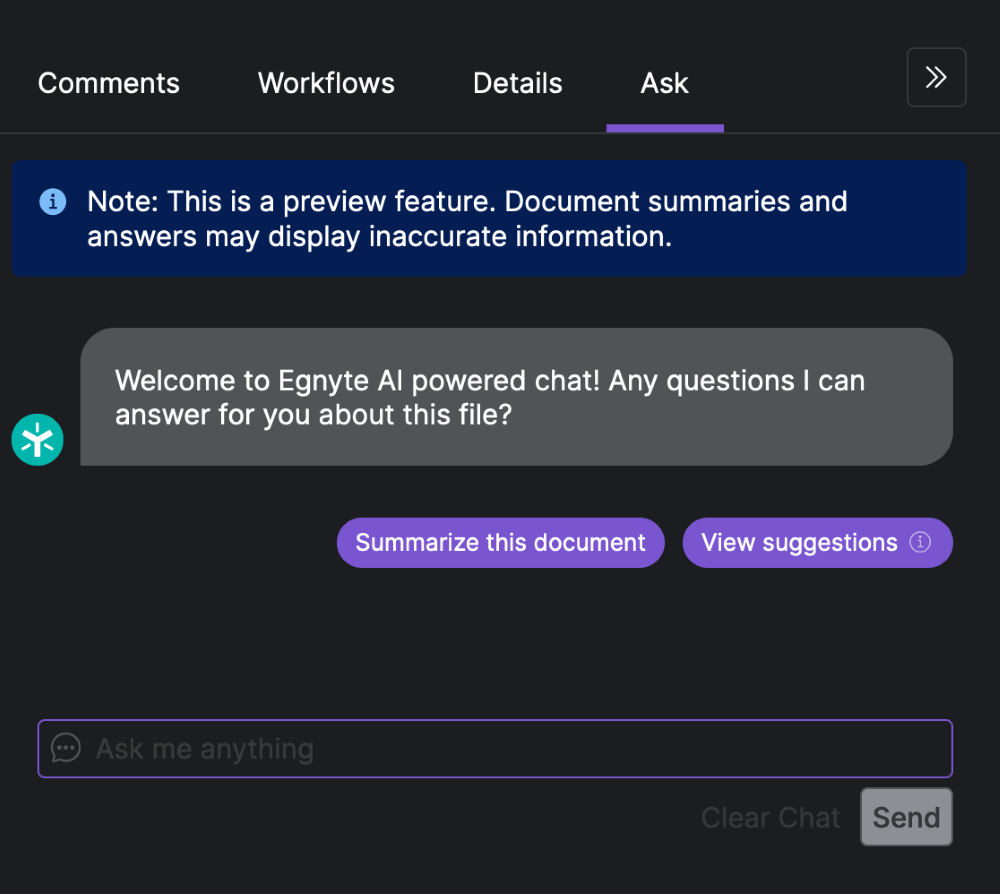
Effective use of AI summarization tools begins with careful input preparation. Clear instructions, specifying the desired summary length and style, enhance the accuracy and relevance of the output. It’s important to review the generated summary thoroughly, cross-referencing it with the original text to identify any inaccuracies or omissions. For complex or critical documents, a manual review is often necessary to ensure the accuracy and completeness of the summary.
Limitations and Potential Biases of AI Tools
AI summarization tools, despite their capabilities, have inherent limitations. These tools can sometimes struggle with complex or nuanced language, resulting in summaries that may misrepresent the original text’s intent or meaning. Furthermore, the training data used to develop these models can reflect existing biases in the data, potentially leading to biased summaries. Recognizing these limitations is crucial for responsible and critical use.
Comparison of AI Summarization Tools
| Tool | Strengths | Weaknesses |
|---|---|---|
| Google Search (with summarization feature) | Ease of access, integration with other Google services. | Summary length may be limited, accuracy depends on the document’s structure. |
| Summarization APIs (e.g., from specific AI providers) | Customization options, potential for high accuracy, integration with other tools. | Requires API key and coding knowledge, may have higher cost for frequent use. |
| Specialized summarization software | Comprehensive features, often user-friendly interface, can handle large volumes of data. | May be more expensive, may require specific software or hardware. |
Techniques for Optimizing Summaries
Crafting effective summaries requires careful attention to detail and a focus on clarity, conciseness, and accuracy. A well-optimized summary not only captures the essence of the original text but also presents it in a digestible and easily understandable format. This approach enhances comprehension and facilitates knowledge transfer.Effective summarization is a crucial skill in today’s information-rich environment. Whether you’re condensing a lengthy research paper, a complex technical report, or a news article, optimizing your summary is key to ensuring the information is retained and effectively communicated.
This involves more than just extracting key points; it demands a deliberate approach to clarity, conciseness, and accuracy.
Readability and Clarity in Summaries
Clear and concise language is paramount in any summary. Readers should be able to grasp the main points without needing to decipher convoluted phrasing or complex sentence structures. Using simple, direct language, avoiding jargon, and employing active voice can significantly enhance readability. Furthermore, structuring the summary logically with clear transitions between ideas improves understanding and flow. Consider the target audience and tailor your language accordingly.
A technical report summary aimed at a general audience should avoid overly technical terms and instead use simpler explanations.
Creating Concise and Impactful Summaries
Conciseness is key to effective summarization. While retaining all crucial information, the summary should be as brief as possible. Identify the core arguments, supporting evidence, and conclusions. Eliminate unnecessary details and focus on the most impactful aspects of the original text. A well-structured Artikel can help in identifying these key elements.
Avoiding Bias and Maintaining Accuracy
Objectivity and neutrality are essential in summarizing any text. Summarizers must avoid injecting personal opinions or biases into the summary. Carefully review the original text, ensuring accurate representation of the author’s arguments and conclusions. It’s critical to present the information without distorting or misrepresenting the content. Using direct quotes, where appropriate, can reinforce accuracy and maintain the integrity of the original work.
Ensuring the Integrity of the Original Content
Maintaining the integrity of the original content is crucial. Avoid paraphrasing or summarizing in a way that changes the author’s intended meaning. A good summary accurately reflects the core arguments and conclusions of the original text. If you quote the author directly, ensure proper attribution and citation. This approach strengthens the credibility of the summary and maintains ethical standards.
Step-by-Step Guide to Summarizing a Complex Technical Report
Summarizing a complex technical report requires a methodical approach. Here’s a step-by-step guide:
- Thorough Reading and Understanding: Carefully read the entire report, taking notes on key concepts, arguments, and findings. Highlight or underline crucial information to help with subsequent analysis.
- Identifying Key Elements: Identify the core problem, proposed solutions, supporting evidence, and conclusions. Determine which elements are essential to understanding the report’s main points.
- Creating an Artikel: Develop a concise Artikel that reflects the logical flow of the report’s arguments. This will be your framework for constructing the summary.
- Drafting the Summary: Use the Artikel to write a draft of the summary, focusing on clear and concise language. Ensure the summary accurately reflects the original content without introducing bias or misinterpretations.
- Review and Revision: Review the summary for clarity, conciseness, and accuracy. Ensure that the summary effectively captures the essence of the original report while maintaining its integrity.
Applications and Use Cases
AI-powered summarization tools are proving invaluable across diverse professional fields. Their ability to condense lengthy documents into concise summaries streamlines workflows, facilitates informed decision-making, and ultimately boosts productivity. This section explores the wide-ranging applications of these tools, highlighting how they enhance efficiency and provide actionable insights.
Diverse Applications Across Professions
Summarization tools are not limited to a single industry. Their versatility allows for practical application in various sectors, from research and development to business and beyond. The core benefit lies in the efficient processing of large amounts of information, allowing professionals to quickly grasp key takeaways.
- Academic Research: Researchers can quickly synthesize vast amounts of literature, identifying key trends and emerging themes. This allows for focused research efforts and accelerated discovery.
- Business Intelligence: Summarizing market reports, financial statements, and competitor analyses allows business leaders to quickly assess current conditions and make strategic decisions. This can lead to a more rapid response to market shifts and competitive pressures.
- Legal Professionals: Lawyers can use these tools to extract crucial information from lengthy legal documents, including contracts, court cases, and legislation. This streamlined process enhances the efficiency of legal research and case preparation.
- Journalism: News reporters can quickly summarize complex articles, press releases, or reports to create concise and informative summaries for their readers. This efficiency enables faster dissemination of vital information.
- Healthcare: Medical professionals can use these tools to quickly summarize patient records, research articles, or clinical trial reports, thereby enabling faster diagnosis and treatment decisions.
Workflow Efficiency Enhancement
Summarization tools significantly improve workflow efficiency by reducing the time spent on reading and analyzing extensive documents. This results in more time for tasks requiring critical thinking and strategic action.
- Time Savings: By reducing the time needed to review large volumes of data, these tools free up valuable time for more complex tasks and strategic initiatives. This leads to increased productivity and a more efficient use of resources.
- Improved Decision-Making: Quick access to key takeaways from lengthy reports allows for more informed and faster decision-making processes. This leads to more effective and timely strategic responses to various situations.
- Reduced Information Overload: Summarization tools help filter out unnecessary details, allowing individuals to focus on essential information, which prevents decision-makers from getting overwhelmed with extraneous data.
Understanding the Intended Audience
The effectiveness of a summary hinges on understanding the needs and knowledge level of the intended audience. A summary crafted for a specialist audience will differ significantly from one intended for a broader audience. Tailoring the summary to the specific needs of the recipient ensures the information is relevant and impactful.
- Audience Awareness: Identifying the intended audience allows for the creation of a summary that is tailored to their specific needs and knowledge level. This targeted approach increases the likelihood of the summary being useful and actionable.
- Specific Language: The language used in the summary should be appropriate for the audience’s comprehension level. Avoid jargon or technical terms if the audience is not familiar with them. Clear and concise language ensures accurate interpretation and prevents miscommunication.
Table of Use Cases for AI-Powered Summarization
| Use Case | Profession/Field | Key Benefits |
|---|---|---|
| Summarizing Market Research Reports | Business Analysts, Marketing Professionals | Quickly identify key trends, customer preferences, and market opportunities. |
| Condensing Scientific Research Papers | Researchers, Scientists | Identify key findings, methodologies, and implications for further research. |
| Extracting Key Information from Legal Documents | Lawyers, Legal Assistants | Streamline legal research, improve case preparation, and enhance efficiency. |
| Summarizing Patient Medical Records | Doctors, Nurses | Quickly access pertinent information for diagnosis and treatment decisions. |
| Creating Concise News Summaries | Journalists, News Reporters | Provide readers with quick access to the most important information. |
Handling Complex Documents
Complex documents, such as lengthy research papers, reports, and articles, often present unique challenges for summarization. These documents frequently feature intricate structures, multiple sections, and diverse data types, making straightforward summarization techniques less effective. Strategies that account for these complexities are crucial for extracting meaningful insights and producing concise, accurate summaries.Effective summarization of complex documents requires a multi-faceted approach that acknowledges the inherent structure and data variety.
This includes recognizing the importance of different sections, understanding the relationships between them, and identifying key data points within tables, figures, and text. AI-powered tools can play a vital role in automating these processes and improving the quality of summaries.
Strategies for Summarizing Documents with Intricate Structures
Strategies for summarizing complex documents involve breaking down the document into manageable parts and identifying key themes. A crucial step is understanding the hierarchical structure of the document, recognizing the relationship between different sections and subsections. This understanding allows for focused summarization, targeting the most critical information within each segment.
Dealing with Lengthy Reports, Articles, and Other Complex Texts
Lengthy reports and articles necessitate a phased approach. Initial steps should focus on understanding the document’s core argument or purpose. The next step involves identifying key sections, like introductions, methodologies, results, and discussions. The subsequent steps involve extracting essential information from each segment, combining them, and presenting a concise summary. This structured approach ensures that crucial information isn’t overlooked.
Handling Different Types of Data within Complex Documents
Complex documents often contain various data types, including text, tables, and figures. To handle this diversity, AI-powered tools can be employed to extract data from tables and figures. This extracted data, combined with textual information, provides a comprehensive view of the document’s content, facilitating the creation of a more nuanced summary.
Examples of AI Extracting Key Information
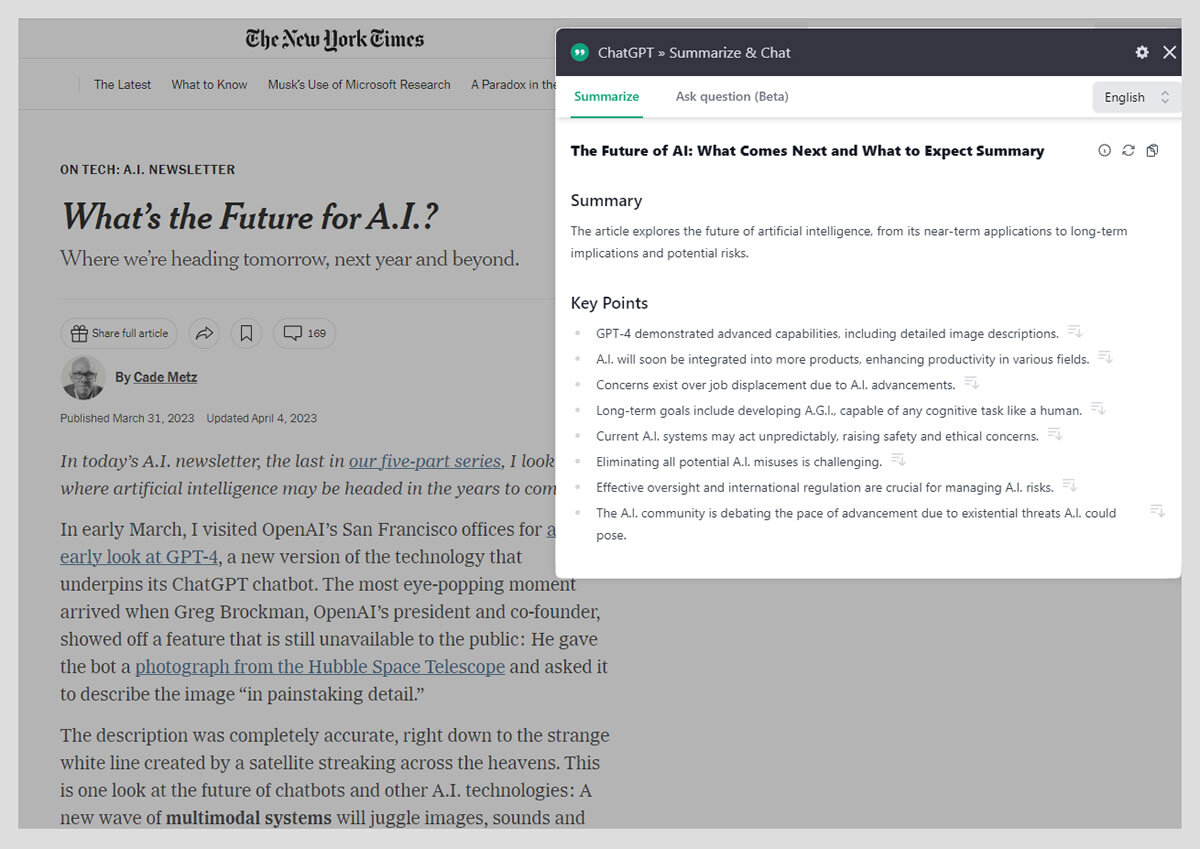
AI tools can effectively extract key information from diverse document structures. For example, in a research paper, AI can identify the research question, the methodology employed, the key findings, and the conclusions drawn. Similarly, in a financial report, AI can extract financial figures, key performance indicators, and trends.
Step-by-Step Guide to Summarizing a Research Paper
This guide Artikels a systematic approach to summarizing a research paper with multiple figures and tables:
- Understand the Research Question: Begin by clearly understanding the research question addressed in the paper. This forms the foundation for identifying relevant information.
- Identify Key Sections: Divide the paper into its major sections (introduction, methods, results, discussion, conclusion). This structuring aids in targeted summarization.
- Extract Key Information from Text: Identify the main points and arguments within each section. Note key findings and conclusions. Pay close attention to phrases like “results indicate,” “study shows,” or “data suggests.”
- Analyze Tables and Figures: Carefully review all tables and figures. Identify trends, patterns, and significant data points. Record these observations in a separate document for easy reference.
- Combine Text and Data: Integrate the extracted textual and numerical information. This step creates a holistic understanding of the research paper’s content.
- Develop a Concise Summary: Summarize the research question, methodology, key findings, and conclusions in a concise manner. Highlight the significance of the research findings.
Ensuring Accuracy and Reliability
AI-generated summaries, while powerful, require careful verification to guarantee accuracy and reliability. Blindly accepting these summaries without critical evaluation can lead to misinterpretations and potentially harmful outcomes. Therefore, robust strategies for accuracy verification are crucial in leveraging AI summarization tools effectively.Thorough verification of AI-generated summaries is essential to prevent errors and biases that might propagate through subsequent analyses or decisions.
A systematic approach, encompassing both automated checks and human review, is vital for maintaining the integrity of the information derived from these summaries.
Importance of Verification
AI summarization models, while often highly effective, can occasionally produce inaccurate or biased summaries. This stems from the models’ reliance on the input data’s quality and the inherent limitations of machine learning algorithms. Verifying the accuracy of the AI-generated summaries is paramount to ensure the reliability of the information extracted.
Identifying Potential Errors and Biases
Several strategies can help identify potential errors or biases in AI-generated summaries. Analyzing the input data for inconsistencies, evaluating the summarization model’s training data for potential biases, and examining the summary’s internal logic for anomalies are crucial steps. A crucial element is comparing the summary against the original document to identify discrepancies or omissions.
Cross-Referencing with Original Content
Cross-referencing the AI-generated summary with the original content is a fundamental aspect of accuracy verification. This involves comparing key points, statistics, and arguments presented in the summary against the original document. Discrepancies or omissions highlight potential errors or misinterpretations that need further investigation. This process should be automated whenever possible.
Human Review in the Summarization Process
Human review plays a critical role in the summarization process. Human reviewers can evaluate the AI-generated summaries for accuracy, completeness, and clarity. They can identify potential errors, biases, and inconsistencies that might have been missed by the AI model. Their judgment and critical thinking skills are indispensable for ensuring quality control.
Quality Control System for Automated Summaries
Establishing a robust quality control system for automated summaries is vital. This involves developing clear guidelines for evaluating the accuracy and reliability of AI-generated summaries. It also includes establishing a process for flagging summaries requiring further review and a method for tracking and resolving identified errors. This system should be iterative and adaptable, constantly evolving to improve accuracy and reliability.
For example, a system could incorporate a threshold for discrepancies between the summary and the original document that triggers human review. A feedback loop, where human reviewers provide feedback to improve the AI model, is essential for ongoing improvement.
Conclusive Thoughts
This comprehensive guide has explored the various facets of AI-powered summarization, equipping you with the knowledge and tools to effectively process lengthy articles and reports. By understanding the different summarization techniques, utilizing appropriate AI tools, and optimizing your summaries for readability and accuracy, you can significantly improve your workflow efficiency and gain valuable insights from complex data. The key takeaway is that AI-powered summarization can be a powerful tool for anyone needing to extract key information from extensive texts.