This guide provides a comprehensive overview of how AI tools can revolutionize your writing process, from initial drafts to final polished pieces. We’ll explore the intricacies of proofreading and editing, highlighting the practical applications of AI assistance.
Leveraging AI tools for proofreading and editing offers significant advantages, from identifying subtle grammatical errors to suggesting improvements in style and tone. This resource delves into the various stages of writing, demonstrating how AI can enhance clarity, conciseness, and overall effectiveness.
Introduction to Proofreading and Editing

Effective communication relies heavily on the clarity and accuracy of written work. Proofreading and editing are essential steps in the writing process that ensure your message is conveyed precisely and professionally. These techniques help refine your ideas, improve the flow of your text, and ultimately lead to more impactful communication.A well-crafted piece of writing, free of errors, leaves a lasting impression and strengthens credibility.
Whether it’s a formal report, a persuasive essay, or a casual email, careful proofreading and editing are crucial for ensuring your message is received as intended.
Definition of Proofreading and Editing
Proofreading and editing are distinct but interconnected stages in the writing process. Proofreading focuses on catching errors in grammar, spelling, punctuation, and mechanics, ensuring the text is technically correct. Editing, on the other hand, encompasses a broader review of the content, style, organization, and overall message. It’s about refining the clarity, coherence, and impact of the writing.
Importance of Accurate and Polished Writing
Accurate and polished writing is vital in various professional and personal contexts. Clear and error-free writing fosters trust and credibility. In academic settings, it demonstrates attention to detail and command of language. In professional environments, it conveys competence and professionalism. Furthermore, clear communication avoids misunderstandings and promotes effective collaboration.
Common Errors in Writing
Numerous errors can detract from the quality of written work. These include grammatical errors (e.g., subject-verb agreement, tense inconsistencies), spelling mistakes, punctuation errors (e.g., comma splices, run-on sentences), and usage errors (e.g., incorrect word choice, awkward phrasing). Maintaining consistency in tone and style is also essential for polished writing.
Stages of the Writing Process Requiring Proofreading and Editing
Proofreading and editing are integral to every stage of the writing process. From initial drafting to final revisions, these steps ensure the quality of the work. They are crucial for ensuring clarity, accuracy, and impact. Thorough proofreading and editing are particularly important in the final stages of the writing process to ensure the piece is polished and ready for publication or presentation.
Difference Between Proofreading and Editing
| Characteristic | Proofreading | Editing |
|---|---|---|
| Focus | Mechanical accuracy (grammar, spelling, punctuation) | Content, style, organization, clarity, impact |
| Scope | Specific details and surface-level errors | Overall message and structure |
| Goal | Ensure the text is technically correct | Improve the effectiveness and impact of the writing |
| Tools | Grammar checkers, style guides | Critical thinking, understanding of audience |
AI Tools for Proofreading and Editing
AI tools are rapidly transforming the landscape of writing, offering sophisticated assistance in proofreading and editing. These tools leverage advanced algorithms to identify and correct errors, enhancing clarity and professionalism in written communication. Their ability to analyze text for grammatical accuracy, stylistic inconsistencies, and tone appropriateness empowers writers to produce high-quality content with minimal effort.AI-powered proofreading and editing tools are no longer a futuristic concept; they are readily available and accessible, enabling users to enhance their writing efficiency and effectiveness.
These tools are designed to streamline the editing process, offering a range of features and capabilities to assist with various aspects of writing. By understanding the strengths and weaknesses of different AI tools, writers can choose the most appropriate tool for their specific needs and writing style.
Examples of AI Tools
Several AI tools excel at proofreading and editing. Popular choices include Grammarly, ProWritingAid, QuillBot, and Jasper. These tools employ different algorithms and approaches, leading to variations in their capabilities. For example, Grammarly is widely recognized for its grammar and style checking, while ProWritingAid delves deeper into stylistic analysis, providing comprehensive feedback on sentence structure, tone, and word choice.
Comparison of AI Tools’ Capabilities
AI tools vary significantly in their capabilities, particularly in their handling of grammar, style, and tone. Grammarly, for instance, is strong at identifying grammatical errors and suggesting corrections. ProWritingAid, however, often offers a more nuanced analysis of writing style, offering insights into sentence flow, word choice, and overall impact. The choice of tool should be based on the specific needs of the writing task.
Features of AI Tools
These tools offer a range of features designed to assist writers. Common features include grammar checking, style suggestions, plagiarism detection, tone analysis, and summarization. Some advanced tools even incorporate features for content generation and optimization.
- Grammar Checking: AI tools meticulously analyze text for grammatical errors, identifying issues like subject-verb agreement, tense inconsistencies, and punctuation mistakes. This ensures the written content is grammatically sound and coherent.
- Style Suggestions: Beyond grammar, AI tools can offer suggestions for improving the style of writing. These suggestions might include advice on sentence structure, word choice, and tone.
- Tone Analysis: AI tools can assess the overall tone of a piece of writing, identifying whether it is formal, informal, humorous, or serious. This can help writers adjust their writing to suit the intended audience and purpose.
- Plagiarism Detection: Many AI tools incorporate plagiarism detection features, helping writers ensure the originality of their work by comparing it to a vast database of existing content.
- Content Generation: Some advanced tools offer content generation capabilities, allowing users to create Artikels, summaries, or even entire articles with minimal effort.
Identifying Different Types of Errors
AI tools can effectively identify various types of errors in writing, including grammatical, stylistic, and tone-related issues. They also help in detecting issues like redundancy, awkward phrasing, and weak arguments.
- Grammatical Errors: Tools like Grammarly and ProWritingAid can pinpoint and correct errors in sentence structure, subject-verb agreement, verb tense, and punctuation.
- Stylistic Errors: ProWritingAid, in particular, can help identify issues with word choice, sentence flow, and overall style, ensuring the writing maintains a consistent tone and style throughout the piece.
- Tone Issues: These tools can analyze the tone of a text, helping writers to ensure it aligns with the intended audience and purpose. A tool might flag overly informal language in a formal report, for example.
- Redundancy and Ambiguity: By examining the text, the AI tools can identify redundant phrases, ambiguous wording, and other stylistic issues that can hinder the clarity of the message.
Pros and Cons of Using AI Proofreading Tools
| AI Proofreading Tool | Pros | Cons |
|---|---|---|
| Grammarly | Excellent grammar and style checking; user-friendly interface; affordable options | Limited in-depth stylistic analysis; may not catch all subtle errors; can sometimes suggest overly formal or generic writing |
| ProWritingAid | Comprehensive stylistic analysis; detailed feedback on sentence structure, word choice, and tone; identifies potential issues with clarity and conciseness | Can be more complex to use than Grammarly; subscription required; sometimes flags minor stylistic choices as errors |
| QuillBot | Excellent for paraphrasing and rephrasing; helps to avoid plagiarism; can offer creative writing suggestions | May not be as effective at traditional grammar and style checking as dedicated tools; not as sophisticated in tone analysis |
| Jasper | Powerful content generation capabilities; can assist with brainstorming and outlining; useful for generating multiple drafts | Can sometimes produce generic or repetitive content; requires a more advanced understanding of AI prompts and instructions |
Enhancing Writing with AI
AI tools are rapidly transforming the way we approach writing, offering a powerful arsenal of assistance for enhancing clarity, conciseness, and overall quality. These tools can not only identify and correct errors but also suggest improvements that significantly elevate the impact and effectiveness of written communication. By leveraging AI’s analytical capabilities, writers can streamline their workflow, focus on creative expression, and produce polished, professional-quality documents.AI’s ability to analyze text extends beyond basic grammar and spelling.
It can provide valuable insights into the overall structure, flow, and impact of writing. This deeper level of analysis allows for improvements in style, tone, and consistency, ultimately leading to more compelling and effective communication. Furthermore, AI tools can proactively identify potential issues, such as plagiarism, saving writers time and effort in ensuring the originality of their work.
Improving Clarity and Conciseness
AI tools excel at identifying areas where writing can be more concise and easily understood. They can analyze sentences for redundancy and unnecessary jargon, suggesting alternative phrasing that is more direct and impactful. By identifying and flagging convoluted sentence structures, AI can help writers rephrase sentences for greater clarity and readability. This process leads to a more impactful and easily digestible message for the reader.
For example, an AI tool might suggest replacing a lengthy, complex sentence with two or three shorter, more direct sentences, enhancing the overall flow and clarity of the text.
Enhancing Sentence Structure and Flow
AI tools can significantly improve the structure and flow of writing. By analyzing sentence patterns and relationships, these tools can identify instances where sentences are not logically connected or where the flow feels disjointed. They can offer suggestions for rearranging sentence order or combining related sentences to create a more coherent and engaging narrative. For example, an AI tool might suggest moving a dependent clause to a more logical position within a sentence or merging two closely related sentences to improve the flow and overall readability.
Maintaining Consistency in Tone and Style
Maintaining a consistent tone and style throughout a document is crucial for professionalism and impact. AI tools can analyze the existing tone and style of a document and suggest adjustments to ensure consistency across the entire text. This includes identifying shifts in tone that might be jarring or inconsistent with the overall message. By analyzing the language used in previous sections, AI tools can provide guidance on maintaining a consistent tone and style, ensuring the writing aligns with the desired message and audience.
Identifying and Correcting Plagiarism
AI-powered tools are increasingly effective at detecting plagiarism by comparing submitted work against a vast database of existing texts. These tools can identify potential instances of unoriginal content, helping writers ensure the originality and integrity of their work. This proactive approach to plagiarism detection helps to maintain academic and professional standards. By cross-referencing submitted text against existing literature and online sources, AI can flag potential instances of plagiarism, preventing unintentional violations and upholding ethical standards.
AI Tools for Writing Enhancement
| AI Tool | Clarity and Conciseness | Sentence Structure and Flow | Tone and Style Consistency | Plagiarism Detection |
|---|---|---|---|---|
| Grammarly | High | Medium | High | Medium |
| ProWritingAid | High | High | Medium | Medium |
| Copyscape | Low | Low | Low | High |
| Turnitin | Low | Low | Low | High |
Integrating AI into Your Workflow
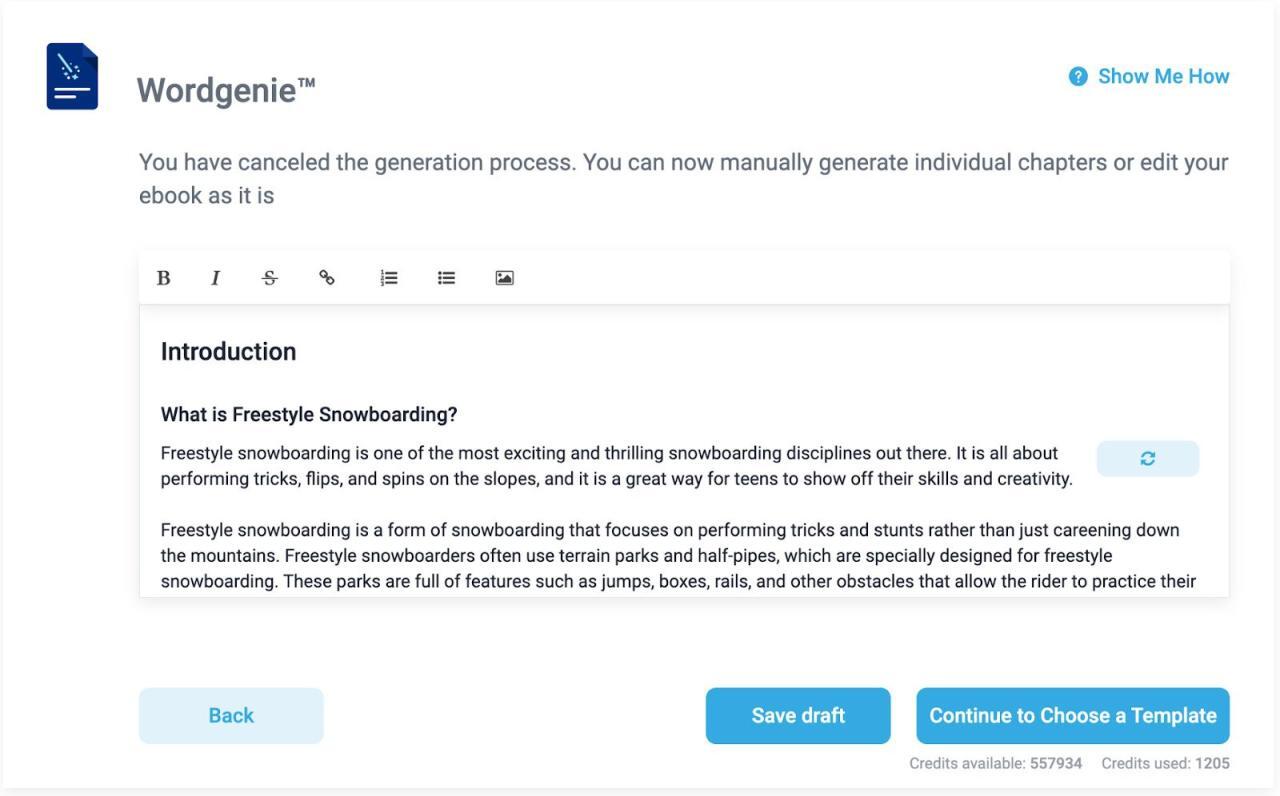
Integrating artificial intelligence tools into your writing workflow can significantly enhance efficiency and quality. By understanding the process and employing strategic techniques, you can seamlessly incorporate these tools into your existing routine. This approach allows for a more productive and refined writing experience.A well-structured integration process leverages the strengths of both human expertise and AI capabilities. This approach allows writers to focus on higher-level tasks like conceptualization and creative expression, while AI handles the more repetitive and detail-oriented aspects of proofreading and editing.
This collaboration fosters a more effective and comprehensive writing process.
Steps for Incorporating AI Tools
This section details the essential steps involved in seamlessly integrating AI tools into your writing process. A methodical approach is crucial for optimal results.
- Assessment of Existing Workflow: Analyze your current writing routine to identify areas where AI tools can be most beneficial. Identify tasks like proofreading, grammar checking, and style enhancement where AI can provide significant support.
- Selection of Appropriate Tools: Research and evaluate various AI writing tools, considering factors like pricing, functionalities, and compatibility with your existing software. Evaluate the tools’ specific strengths and weaknesses relative to your needs. Consider factors such as the types of writing you typically produce and the specific AI tool’s features.
- Integration into Your Software Suite: Integrate chosen AI tools into your existing software suite. Explore APIs, plugins, or extensions that allow for seamless data transfer between your writing tools and the AI platform. Determine if the chosen AI tools can be used within your current software ecosystem. Ensure compatibility with other tools.
- Implementation of AI-Assisted Editing: Start by incorporating AI tools into specific writing tasks. Begin with a small subset of documents or projects to test the effectiveness and efficiency of the tools. Adjust settings and parameters based on the specific writing style and document type. Implement AI tools for editing and proofreading.
- Refinement and Optimization: Continuously monitor and refine the integration process. Adjust the use of AI tools based on the results of pilot projects and feedback from peers or mentors. Adjust AI parameters based on feedback. Identify opportunities to further streamline the workflow.
Strategies for Effective AI Use
Implementing AI tools effectively requires a strategic approach. This section Artikels various strategies for maximizing the benefits of AI-powered writing tools.
- Task Prioritization: Assign specific tasks to AI tools based on their strengths. For example, use AI for grammar and style checking while reserving human review for content strategy and overall tone. Prioritize tasks that benefit most from AI assistance.
- Feedback Loop Implementation: Actively use AI tool feedback as a starting point for revisions. Review the AI suggestions and incorporate valuable insights into your writing. AI tools provide valuable insights and support for human revision. Treat AI feedback as a starting point, not the final word.
- Human Oversight: Maintain human oversight in the writing process. AI tools are excellent for identifying errors, but human judgment is crucial for evaluating context, tone, and overall impact. AI tools can help to identify potential errors and inconsistencies, but human review remains essential. Human writers need to validate the AI suggestions.
- Experimentation and Adaptation: Experiment with different AI tools and features to discover the most effective approaches for your writing style. Adapt your workflow to incorporate AI tools and maintain flexibility to adapt to evolving technologies. Experiment with new features and tools as they emerge.
AI Workflow Flowchart
The following flowchart illustrates the process of using AI tools for proofreading and editing: 
Note: This is a general representation and specific tools and steps may vary.
Common Errors and AI Detection
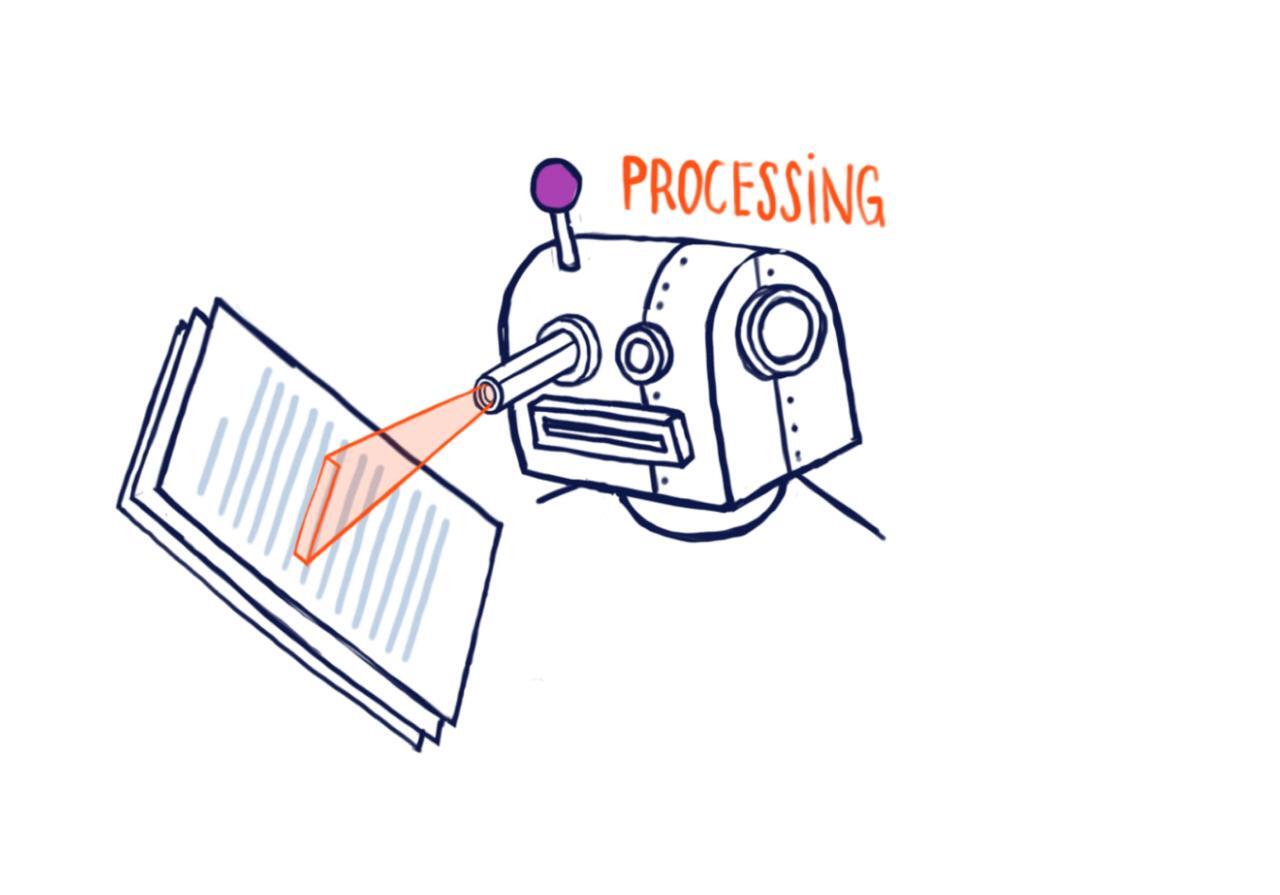
AI tools are proving increasingly valuable in the realm of writing, offering sophisticated assistance in identifying and correcting a wide array of errors. These tools can analyze text for grammatical accuracy, stylistic consistency, and clarity, significantly improving the overall quality of written communication. This section delves into the specific types of errors AI can readily detect and how these tools approach their correction.AI tools excel at pinpointing common grammatical and stylistic issues, providing a valuable layer of review beyond what a human editor might catch.
This is particularly beneficial for complex writing tasks, where numerous errors can easily be overlooked. These tools leverage sophisticated algorithms to identify patterns and inconsistencies that often indicate potential errors, thereby accelerating the proofreading and editing process.
Grammatical Errors
AI tools effectively identify and flag a wide range of grammatical errors. These range from simple subject-verb agreement issues to more complex sentence structure problems. A key strength lies in the ability to analyze text for adherence to grammatical rules, which is a time-consuming task for human editors. The technology rapidly identifies inconsistencies, ensuring that writing conforms to standard grammatical conventions.
Examples of Grammatical Errors and AI Detection
- Incorrect Subject-Verb Agreement: “The team are going to the game.” AI tools will flag this, recognizing that “team” is singular, requiring the singular verb form “is” instead of “are.”
- Incorrect Tense Usage: “I went to the store yesterday.” (Incorrect if the intended meaning is present perfect). AI can detect the use of the past tense in a context that might call for the present perfect, highlighting potential discrepancies in tense consistency.
- Incorrect Pronoun Usage: “He gave the book to she.” AI tools accurately identify and correct the incorrect pronoun, ensuring proper agreement and clarity.
Stylistic Issues
AI tools also offer a high degree of precision in identifying stylistic inconsistencies. These tools go beyond basic grammar to evaluate factors like tone, voice, and overall style. They can assess whether the writing style aligns with the intended audience and purpose.
Examples of Stylistic Issues and AI Detection
- Inconsistency in Tone: A formal business email that includes slang or informal language. AI tools can detect this and flag it for revision.
- Lack of Clarity: Ambiguous sentences or phrases that leave the reader unsure of the intended meaning. AI can assess sentence structure and word choice, flagging sections requiring clarification.
- Wordiness: Using more words than necessary to convey a message. AI tools can analyze sentence structure and suggest ways to express the same idea more concisely.
Sentence Structure, Clarity, and Conciseness
AI tools are adept at analyzing sentence structure, identifying instances of overly complex sentences that may be hard to understand. They can also flag sentences that lack clarity, offering suggestions for rephrasing. This focus on clarity is crucial for effective communication, as a well-structured and clear sentence enhances readability.
Tone and Style
AI can analyze writing to identify issues related to tone and style, such as inconsistencies or inappropriateness for the intended audience. This is achieved by examining the vocabulary, sentence structure, and overall approach to communication.
Table of Common Errors and AI Correction
| Error Type | Example | How AI Tools Detect and Correct |
|---|---|---|
| Incorrect Subject-Verb Agreement | “The dog barks loudly.” (incorrect if the subject were plural) | AI identifies the subject and verb, flagging the discrepancy and suggesting the correct verb form. |
| Inconsistent Tone | Formal email with slang. | AI analyzes the vocabulary and sentence structure, flagging the mismatch in tone and suggesting more appropriate language. |
| Ambiguous Sentence Structure | “The report was submitted by the employee who was late.” | AI assesses the sentence for clarity, suggesting rephrasing to remove ambiguity. |
| Wordiness | “Due to the fact that the project was delayed, the team had to work overtime.” | AI analyzes sentence structure and suggests more concise phrasing, eliminating redundant words. |
Avoiding Pitfalls When Using AI
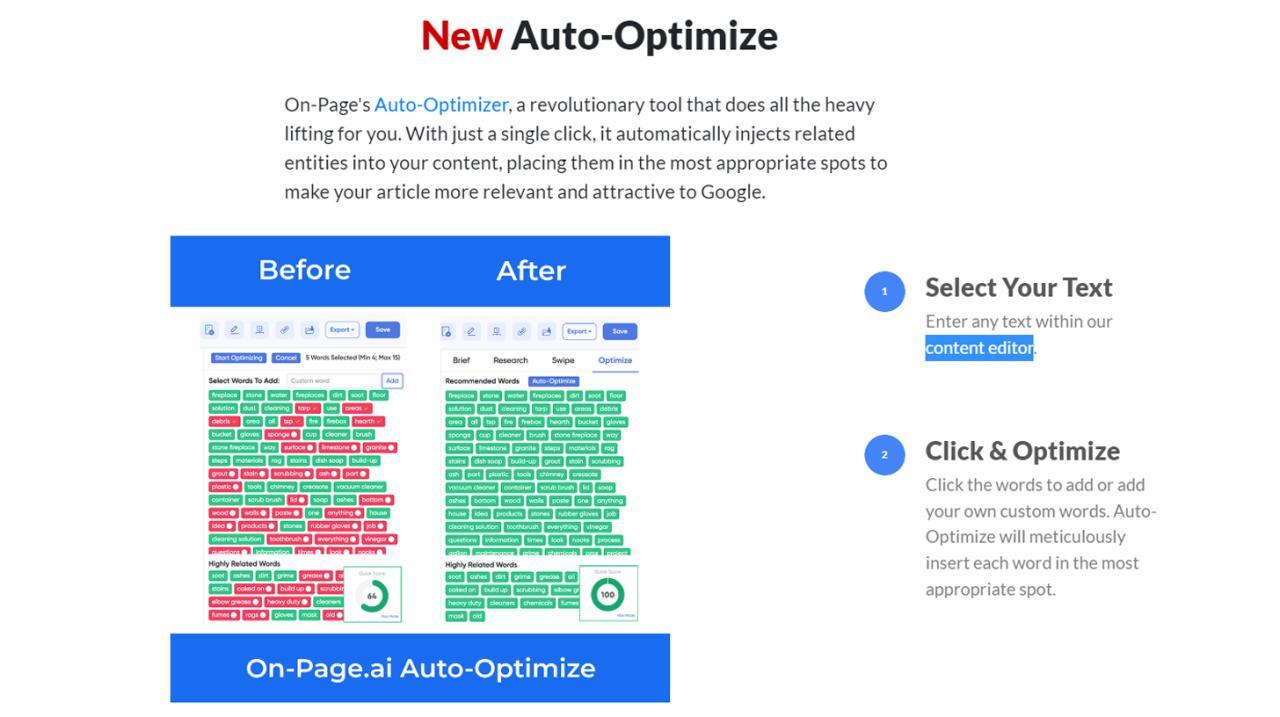
AI tools are valuable assets in the proofreading and editing process, but they are not infallible. Understanding their limitations and incorporating human oversight are crucial for producing high-quality work. This section explores potential pitfalls and provides strategies to mitigate them, ensuring that AI is used effectively alongside human expertise.
Limitations of AI Tools
AI tools, while adept at identifying grammatical errors and stylistic inconsistencies, often struggle with nuanced interpretations of context, tone, and intent. They may miss subtle errors in reasoning or fail to grasp the complexities of figurative language or humor. Furthermore, AI models are trained on vast datasets, and their understanding of cultural nuances and specific subject matters may be limited.
Their outputs should always be reviewed and validated by a human editor.
Importance of Human Oversight
Human oversight is paramount in the editing process. While AI can automate many aspects of proofreading, human editors bring a critical perspective, ensuring the final product accurately reflects the intended message and resonates with the target audience. Human editors can assess tone, style, and context, identifying areas where AI’s suggestions may not align with the desired outcome. They also play a vital role in ensuring the ethical considerations are addressed.
Potential Biases in AI Tools
AI models are trained on data, and if that data reflects existing societal biases, the AI tool will perpetuate those biases. This is particularly important in fields like journalism or marketing, where objectivity and impartiality are critical. To mitigate this, it is essential to be aware of the potential for bias and to critically evaluate AI-generated suggestions. Using diverse datasets and applying careful scrutiny can help minimize these issues.
Double-Checking AI Suggestions
AI tools are a helpful support, but they should not be treated as the final authority. Every suggestion, whether it’s about grammar, style, or tone, needs to be carefully reviewed and verified. It is crucial to understand the reasoning behind AI suggestions and to assess their appropriateness within the context of the writing. Discrepancies should be investigated and resolved before accepting the AI’s output as definitive.
Best Practices for Using AI Tools
Using AI tools effectively requires a thoughtful approach. The following guidelines offer practical advice for maximizing the benefits of these tools while minimizing potential pitfalls.
- Review and validate all AI suggestions. Don’t blindly accept every recommendation. Critically assess the suggestions, considering context and intended meaning.
- Understand the limitations of the tool. AI tools excel at specific tasks but have limitations in understanding complex ideas or nuanced contexts. Recognize these limitations to avoid misinterpretations.
- Focus on AI for specific tasks. Use AI for grammar and style checks, but retain human oversight for content and strategic direction. This ensures the overall quality and relevance of the work.
- Train the AI model on a relevant dataset. If you are working in a specialized field, use a dataset tailored to that domain. This helps improve the AI’s accuracy in identifying specific language patterns.
- Develop a collaborative workflow. Integrate AI tools into your existing editing process, using them as a support tool to enhance efficiency and accuracy.
- Maintain awareness of potential biases. Critically examine AI-generated suggestions for any biases that might be present. This is crucial in maintaining impartiality and avoiding misrepresentation.
Improving Writing Through AI Feedback
AI tools offer valuable assistance in refining writing. By providing insightful feedback, AI can help writers identify and correct errors, enhance clarity, and improve overall effectiveness. Understanding how to effectively utilize this feedback is crucial for maximizing its impact on the writing process.Effective utilization of AI feedback involves a thoughtful approach. Writers should not passively accept every suggestion but instead critically evaluate the reasoning behind each recommendation.
This critical evaluation will help writers discern between helpful suggestions and potentially misleading ones.
Utilizing AI Feedback for Enhanced Writing
AI feedback tools often provide explanations alongside suggestions. These explanations offer valuable context, helping writers understand the rationale behind the AI’s recommendations. Carefully considering these explanations is essential for understanding and incorporating suggestions effectively. Furthermore, writers should be mindful of the limitations of AI feedback, acknowledging that AI models are trained on vast datasets and may not always understand the nuances of specific writing styles or contexts.
This awareness helps writers avoid blindly accepting all suggestions and fosters a more nuanced approach to feedback integration.
Strategies for Understanding and Incorporating AI Suggestions
Understanding the context of AI feedback is critical. Reviewing the AI’s reasoning behind a suggestion is paramount. This approach fosters a more thorough understanding of the AI’s assessment. Writers should also examine the suggested changes in the context of the entire piece, ensuring the alterations enhance the overall coherence and impact of the writing. This ensures that changes are integrated seamlessly and do not disrupt the flow or meaning of the text.
The Role of AI Feedback in Developing Writing Skills
AI feedback can be a valuable tool for skill development. By identifying patterns in errors or areas needing improvement, AI can highlight specific weaknesses in a writer’s style. This insight enables writers to actively address these areas and cultivate stronger writing habits. Consistent use of AI feedback can foster a deeper understanding of grammatical rules, stylistic conventions, and rhetorical strategies.
This process allows for targeted improvements and a more sophisticated command of the writing process.
Integrating AI Feedback into the Writing Process
Integrating AI feedback into the writing process can be done at various stages. Early incorporation can help writers refine ideas and structure before drafting the full piece. Reviewing the piece at the final stages allows for comprehensive edits and improvements. This iterative process fosters a continuous cycle of improvement and enhances the overall quality of the writing.
Example of AI Feedback Improvement
“Initially, the paragraph lacked a clear thesis statement, leading to a disjointed flow of ideas. The AI tool correctly identified this issue and suggested a revised first sentence, effectively establishing the central argument and improving the overall coherence. The revised version effectively summarized the argument of the entire paragraph and provided a stronger structure, making the paragraph more impactful.”
Illustrative Examples of AI in Action
AI tools are transforming the way we approach writing, offering sophisticated assistance in identifying and correcting errors, improving clarity, and even detecting plagiarism. These tools can analyze text with remarkable precision, providing valuable feedback that elevates the quality and impact of written communication. By understanding how AI functions in these areas, we can leverage its potential to enhance our own writing processes.
AI Error Detection and Correction
AI tools excel at identifying a wide range of grammatical errors, spelling mistakes, and stylistic inconsistencies. Consider a sample text with the following errors: “The quick brown fox jump over the lazy dog.” An AI tool would immediately highlight “jump” as the incorrect verb form and suggest the correct “jumped.” Beyond basic errors, AI can also analyze sentence structure, identifying run-on sentences or fragments and suggesting revisions to improve clarity and flow.
Further, AI can detect subtle stylistic issues, such as awkward phrasing or repetitive language.
AI-Powered Writing Clarity Enhancement
AI tools can contribute significantly to improving writing clarity. For instance, imagine a piece of writing with a complex argument that is difficult to follow. An AI tool can analyze the text and suggest rephrasing sentences or reorganizing paragraphs to enhance readability. This could involve breaking down long, complex sentences into shorter, more digestible units or rearranging the sequence of ideas to create a more logical flow.
AI Plagiarism Detection
AI-powered plagiarism detection tools operate by comparing submitted texts against a vast database of existing content. These tools can identify instances of verbatim copying or paraphrasing that falls below acceptable standards of originality. For example, an AI tool might flag a student paper that contains significant portions of text directly copied from a website or another student’s work.
Moreover, sophisticated tools can identify instances where the original text has been altered slightly (paraphrased) but still maintains the same core meaning and structure, effectively detecting plagiarism even in cases of minor changes.
AI-Assisted Writing Style and Tone Improvement
A real-world case study demonstrates how AI can improve writing style and tone. A marketing team tasked with writing a series of website copy for a new product used an AI tool to analyze existing content. The AI identified inconsistencies in tone and style across different pages. It suggested adjustments to ensure a consistent and professional voice throughout the website.
Furthermore, the AI highlighted opportunities to enhance the persuasive language used to better engage potential customers. The tool provided detailed suggestions, enabling the team to maintain a consistent voice, increase persuasiveness, and improve the overall impact of the website content.
Closure
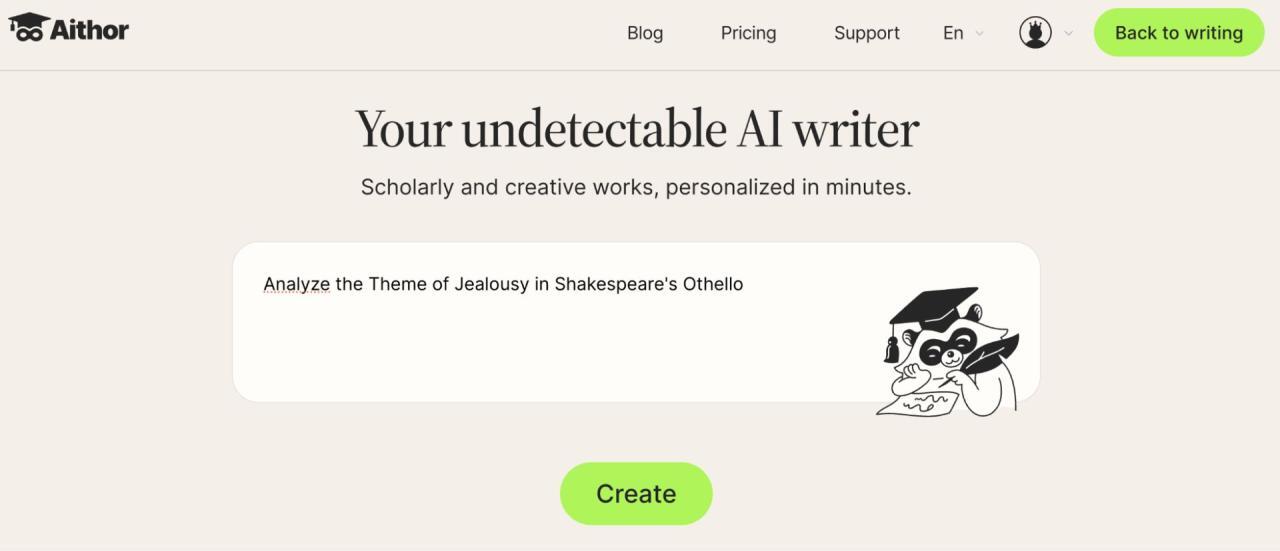
In conclusion, integrating AI tools into your writing workflow can significantly improve your output and efficiency. By understanding the capabilities and limitations of these tools, you can effectively utilize them to refine your work and ensure professional-grade quality. Remember, human oversight remains crucial for nuanced judgment and creative control.