Website content optimization is crucial for achieving higher search engine rankings and driving more organic traffic. This guide delves into the effective use of Artificial Intelligence (AI) to enhance your website’s visibility and user experience. We’ll explore various strategies, from understanding search engine algorithms to leveraging AI tools and optimizing for different devices.
This comprehensive approach provides actionable insights, enabling you to create compelling content that not only ranks well but also resonates with your target audience. We’ll examine the interplay between content optimization, user experience, and AI-powered tools to empower you to make informed decisions and maximize your website’s potential.
Introduction to Website Content Optimization
Optimizing website content for search engines, or , is crucial for online visibility and success. A well-optimized website attracts more organic traffic, leading to increased brand awareness, higher conversion rates, and ultimately, greater profitability. By understanding and implementing effective strategies, businesses can establish a strong online presence and connect with their target audience more effectively.A significant aspect of successful is focusing on user experience (UX).
A website that is easy to navigate, provides relevant information, and offers a seamless user journey will naturally perform better in search engine rankings. This is because search engines prioritize websites that deliver a positive user experience, recognizing that user satisfaction is a key indicator of website quality.
Importance of User Experience (UX) in
User experience plays a pivotal role in search engine optimization. Search engines like Google assess websites based on how well they cater to user needs and expectations. Websites that are intuitive, easy to navigate, and provide a positive interaction experience are rewarded with higher rankings. This is because a positive user experience translates to lower bounce rates, longer session durations, and increased engagement, all of which signal to search engines that the site is valuable and relevant to users.
A user-friendly website keeps visitors engaged, encouraging them to explore further and interact with the content, which in turn improves search engine rankings.
Different Ways to Improve User Experience on Websites
Several strategies can enhance user experience and improve website performance. These include intuitive navigation, clear calls to action, mobile responsiveness, and high-quality visuals.
- Intuitive Navigation: A well-structured website with clear navigation menus and logical organization allows users to easily find the information they need. This reduces frustration and improves user satisfaction.
- Clear Calls to Action (CTAs): Strategic placement of CTAs guides users towards desired actions, such as making a purchase or signing up for a newsletter. Clear and compelling CTAs increase conversion rates and demonstrate user engagement.
- Mobile Responsiveness: A website that adapts to different screen sizes, ensuring a consistent and positive experience across all devices, is crucial. Mobile responsiveness is essential for reaching a wider audience and is a ranking factor for search engines.
- High-Quality Visuals: High-quality images and videos enhance engagement and convey information effectively. Compelling visuals make the website more appealing and user-friendly.
Role of AI in Content Optimization
Artificial intelligence (AI) is rapidly transforming content optimization, offering advanced tools and techniques to enhance website performance. AI-powered tools can analyze vast amounts of data to identify trends, s, and user preferences, enabling more targeted and effective optimization strategies. This ultimately leads to improved search engine rankings and greater user engagement.
AI-Powered Website Content Optimization Techniques
Implementing AI in content optimization allows for a more strategic and data-driven approach. The following table demonstrates how AI can improve .
| Optimization Technique | Description | Impact on | Example |
|---|---|---|---|
| Research with AI | AI tools analyze search trends and user behavior to identify relevant s. | Improved visibility in search results. | An AI tool suggests “best-selling coffee beans” as a instead of just “coffee beans”. |
| Content Generation with AI | AI can generate various content formats like blog posts, articles, or product descriptions. | Increased content volume and variety. | AI generates a blog post about “benefits of coffee beans” for a coffee shop website. |
| Content Optimization with AI | AI tools analyze existing content and suggest improvements for readability, density, and user engagement. | Higher click-through rates and better rankings. | AI suggests rewriting a page to improve readability and include more relevant s. |
| AI-Driven Audits | AI analyzes a website’s technical aspects and suggests areas for improvement. | Improved site architecture and technical . | AI identifies broken links and suggests ways to fix them. |
Understanding Search Engine Algorithms

Search engines like Google utilize complex algorithms to evaluate and rank websites in their search results. These algorithms are constantly evolving, reflecting the dynamic nature of the internet and the ever-changing needs of users. Understanding these algorithms is crucial for optimizing website content and achieving higher search engine rankings.Search engines employ sophisticated algorithms to determine the relevance and quality of web pages.
These algorithms assess a wide range of factors, considering not just the content itself, but also the overall user experience and the authority of the website. This multifaceted approach aims to deliver the most relevant and valuable results to users.
Factors Considered in Website Ranking
Search engines evaluate numerous factors when determining website rankings. These factors encompass technical aspects, content quality, and user engagement. The weight given to each factor can change over time as algorithms evolve. A comprehensive approach to involves considering all these elements.
- Content relevance: Search engines prioritize websites that provide accurate and comprehensive information related to user queries. The content should address the user’s needs and expectations effectively.
- Technical aspects: Website structure, loading speed, mobile-friendliness, and security are critical factors. A well-structured site with fast loading times and a responsive design contributes to a positive user experience.
- Backlinks: The number and quality of links from other reputable websites pointing to a site are a strong indicator of its authority and trustworthiness. High-quality backlinks are essential for improving search rankings.
- User engagement: Metrics such as time spent on page, bounce rate, and click-through rate reflect user interaction with the website. Engaging content and a user-friendly experience lead to better search rankings.
Algorithm Evolution
Search engine algorithms are not static; they constantly evolve to improve the quality of search results. This evolution is driven by the need to combat spam, maintain relevance, and adapt to emerging trends and user behavior. These changes necessitate ongoing adaptation and learning for website owners.
- Regular updates: Search engine algorithms are updated regularly, often without explicit announcements. These updates can significantly impact search rankings, and website owners must stay informed and adapt their strategies accordingly.
- New technologies: Advancements in technology, such as machine learning and artificial intelligence, are integrated into algorithms. These technologies enable more sophisticated analysis of content and user behavior, leading to more accurate and relevant search results.
- User behavior: Search engines analyze user behavior to understand search patterns and preferences. This data informs algorithm updates, leading to a more personalized and effective search experience.
Key Elements for Website Content Optimization
Optimizing website content for search engines involves a multifaceted approach. Considering the key elements mentioned below will enhance the site’s visibility and searchability.
- research: Identifying relevant s and incorporating them naturally into website content is essential. Understanding user search queries is crucial for successful implementation.
- High-quality content: Creating valuable, informative, and engaging content that addresses user needs is paramount. This includes using clear language, formatting for readability, and addressing the specific questions or problems users seek to solve.
- Technical : Ensuring the website is technically sound, including site structure, mobile-friendliness, and page speed, is vital. Technical lays the foundation for optimal search performance.
Content Relevance and Quality
Content relevance and quality are paramount for search engine optimization. High-quality content addresses user needs and expectations while providing comprehensive and accurate information. This ensures a positive user experience and boosts search rankings.
| Algorithm Factor | Explanation | Impact on Ranking | Optimization Strategy |
|---|---|---|---|
| Content Relevance | Content directly addresses user search queries. | High relevance improves rankings, leading to higher visibility. | Conduct research, create comprehensive content, and use clear language. |
| Content Quality | Content is informative, accurate, and engaging. | High-quality content fosters user engagement and positive search engine perception. | Ensure content is well-researched, factually accurate, and engaging for users. |
| Technical | Website structure, speed, and mobile-friendliness. | Technical soundness improves user experience and search engine crawlability. | Optimize site speed, ensure mobile responsiveness, and implement proper site architecture. |
| Backlinks | Links from reputable websites. | High-quality backlinks increase site authority and trustworthiness. | Build relationships with other websites and earn high-quality backlinks. |
Utilizing AI Tools for Content Optimization
AI tools are rapidly transforming content optimization strategies, offering powerful capabilities for enhancing website content and improving search engine rankings. These tools analyze vast datasets, identify trends, and suggest improvements, ultimately leading to higher quality content and increased visibility. By understanding the strengths and weaknesses of different AI tools, you can effectively integrate them into your workflow and maximize their potential for boosting your website’s performance.AI tools provide a comprehensive approach to content optimization, going beyond basic research.
They offer sophisticated analyses of existing content, suggest enhancements for better clarity and engagement, and even proactively identify areas where your content may be lacking. This proactive approach enables you to address potential content gaps before they negatively impact your search engine rankings.
Examples of AI Tools for Content Optimization
Various AI tools are available to assist with content optimization, ranging from research and content generation to analysis and gap identification. Examples include Jasper, Copy.ai, SurferSEO, and Frase. Each tool offers unique features and functionalities, catering to different needs and budgets. These tools provide a streamlined process for improving content quality and optimizing it for search engines.
Strengths and Weaknesses of Different AI Tools
AI tools exhibit a range of strengths and weaknesses, making careful selection crucial for achieving optimal results. Some tools excel at content generation, while others focus on in-depth analysis and research. Understanding these distinctions helps you choose the right tool for your specific requirements. Consider factors such as budget, desired functionalities, and the complexity of your content optimization needs when making your selection.
Integrating AI Tools into Your Workflow
Integrating AI tools into your content creation workflow requires a strategic approach. Start by identifying specific areas where AI can assist you, such as content generation, analysis, or research. Next, select the appropriate AI tool(s) that align with your needs and budget. Ensure that the chosen tool integrates seamlessly with your existing workflow. Thorough training and testing of the chosen tools is essential to maximize efficiency and accuracy.
Improving Content Quality with AI
AI tools can significantly enhance content quality by suggesting improvements to existing content. These tools can analyze text for clarity, conciseness, and engagement, helping you produce content that resonates with your target audience and is well-optimized for search engines. AI can also assist in ensuring consistency and accuracy of the content. These features provide a valuable assistance in achieving a high-quality and engaging experience for readers.
Identifying Content Gaps with AI
AI tools are adept at identifying content gaps in your website’s content. By analyzing your existing content and competitor analysis, these tools can pinpoint areas where your content may be lacking or where your competitors have successfully addressed a need in the market. This analysis provides valuable insights into potential areas for improvement. Identifying these gaps is crucial for creating content that addresses user needs effectively and improves your search engine rankings.
Table of AI Tools for Content Optimization
| AI Tool | Functionality | Advantages | Disadvantages |
|---|---|---|---|
| Jasper | Content generation, editing, and optimization | High-quality content generation, various writing styles, and speed | Potential for generic or repetitive content, requires human oversight for quality control |
| Copy.ai | Content creation, including blog posts, ad copy, and social media posts | Versatile content creation, affordable pricing, and user-friendly interface | May not produce the highest-quality content, requires editing and customization |
| SurferSEO | Content optimization, research, and competitor analysis | Comprehensive analysis, identifies content gaps, and helps rank higher | Can be expensive, and requires careful configuration for optimal results |
| Frase | Content optimization, content gap identification, and research | Excellent content gap identification, useful for large-scale content optimization projects | Steeper learning curve compared to other tools, requires understanding of principles |
Optimizing Content for Different Devices
A crucial aspect of modern is ensuring your website content is accessible and engaging across various devices. This involves adapting your content strategy to cater to the unique needs and preferences of users on desktops, tablets, and smartphones. Failing to optimize for different devices can significantly impact user experience and search engine rankings.
Mobile-First Indexing
Google’s mobile-first indexing prioritizes the mobile version of your website for ranking and indexing. This means Google primarily uses the mobile version of your site to determine its content, structure, and overall quality. This paradigm shift emphasizes the importance of a seamless and user-friendly mobile experience. Ignoring this critical aspect can lead to lower rankings and a diminished user experience.
Website Optimization for Diverse Screen Sizes
Ensuring your website is optimized for different screen sizes is paramount. A responsive design adapts the layout and content of your website to fit various screen resolutions, ensuring optimal viewing on all devices. This is essential for providing a consistent and enjoyable user experience.
Optimizing Content for Various User Devices
Content optimization strategies must consider the nuances of different user devices. Content tailored for mobile devices might need different formatting and information structuring compared to desktop. This involves understanding the limitations and advantages of each platform to deliver a tailored experience. For example, a long-form article on a desktop might be broken into smaller, digestible chunks on a mobile device.
Content Optimization Strategies for Desktop and Mobile
While both desktop and mobile content optimization aim for user satisfaction and search engine visibility, strategies can differ. Desktop content often allows for a richer, more detailed presentation, while mobile content needs to be concise and easy to navigate. The goal is to maintain quality and relevance while adapting to the platform’s characteristics.
Responsive Design Techniques
Responsive design is a key technique to optimize content for different devices. This approach uses flexible layouts and images that automatically adjust to the screen size of the device being used. This involves using techniques like fluid grids, flexible images, and media queries to dynamically adjust the content presentation. Using CSS media queries allows for different styles to be applied based on the device’s screen size, making the content responsive.
| Device | Optimization Technique | User Experience | Impact |
|---|---|---|---|
| Mobile | Using mobile-first indexing, optimizing for touch interactions, simplifying navigation | Easy access, quick loading, intuitive interface | Higher rankings, improved user engagement |
| Tablet | Ensuring content is readable on larger screens, maintaining visual appeal, offering a good balance between desktop and mobile experience | Clear presentation, smooth navigation, optimized for visual consumption | Improved user engagement, potential for higher rankings |
| Desktop | Providing detailed content, implementing rich media, optimizing for mouse interaction | Detailed information, engaging visuals, smooth mouse-based navigation | Increased engagement, better content presentation |
| Smartwatch | Content aggregation and concise summaries, minimizing unnecessary information | Easy access to key information, fast access to summary information | Improved brand visibility and potential for higher rankings |
Content Creation Strategies Using AI
AI is rapidly transforming content creation, offering powerful tools to streamline workflows, enhance creativity, and optimize output for search engines. This section delves into leveraging AI for content ideation, format selection, and generation, emphasizing strategies for maintaining originality and demonstrating practical applications through specific examples.AI’s ability to analyze vast datasets enables it to identify trends, predict user needs, and suggest relevant topics.
This predictive capability is invaluable in the content creation process, helping to avoid redundant content and ensuring that produced material aligns with audience interests. By understanding the current landscape of online content, AI tools can provide insights to produce content that resonates and performs well.
AI-Assisted Content Ideation
AI tools excel at brainstorming and suggesting new content ideas. These tools often leverage natural language processing (NLP) to understand existing content and identify gaps or emerging trends. This proactive approach can save considerable time and effort, focusing creators on the refinement and optimization of ideas.
Content Formats Benefiting from AI Assistance
AI is particularly useful for generating various content formats. These include articles, blog posts, social media updates, scripts for videos and podcasts, and even different types of reports. The ability of AI to understand the nuance of various formats is crucial to the successful creation of high-quality, relevant content.
AI for Content Generation Across Formats
AI can be used to generate various types of content. These include articles, blog posts, product descriptions, social media captions, and even email copy. Tools often provide options to adjust tone, style, and target audience, making the generated content more adaptable to different needs. The adaptability and efficiency of AI make it a valuable tool in the modern content creator’s arsenal.
Enhancing Content Originality with AI
AI tools can assist in generating unique content by drawing from diverse sources. However, it is crucial to combine AI output with human creativity and critical thinking to ensure originality and avoid plagiarism. Proper citation and attribution are essential for ethical content creation.
Examples of AI Content Generation Tools
Numerous AI tools are available to assist with content generation. Some popular options include Jasper, Copy.ai, and Rytr. These tools provide various features to enhance the process, allowing creators to produce different content formats efficiently. Their flexibility allows adaptation to different user needs and the output is generally tailored to specific target audiences.
Table of AI Tools and Their Applications
| Content Type | AI Tool | Output Example | Application |
|---|---|---|---|
| Blog Post | Jasper | “Top 5 Tips for Boosting Website Traffic” | Optimized title, integration, and engaging introduction. |
| Social Media Post | Copy.ai | “Did you know? Fact about [topic].” | Captivating, concise, and easily shareable format for social media engagement. |
| Product Description | Rytr | “Introducing the new XYZ model – perfect for [target user]. Its [feature] will change your life!” | High-quality description, -rich, and optimized for product listings. |
| Video Script | Otter.ai | “Opening scene: Introduce the problem. Next, explain the solution.” | Clear, concise script with -friendly s and compelling narrative. |
Content Structure and Formatting
Effective content structure is crucial for improving readability and search engine optimization (). A well-organized website with clear headings, subheadings, and formatting elements makes it easier for both users and search engine crawlers to understand the content. Proper structuring also enhances the overall user experience, leading to increased engagement and potentially higher rankings.Well-structured content is easily digestible and scannable.
Users can quickly grasp the main points and navigate to specific sections of interest. Search engines, in turn, can better understand the context and meaning of the content, which is a key factor in determining rankings.
Heading Hierarchy
A clear hierarchy of headings (H1, H2, H3, etc.) is essential for guiding readers through the content. The H1 heading should represent the main topic, while subsequent headings (H2, H3, etc.) break down the content into logical sections and sub-sections. This hierarchical structure helps search engines understand the organization of the content and the relationships between different sections.
A consistent use of headings makes the website more navigable and user-friendly.
Using Bullet Points and Lists
Bullet points and numbered lists can significantly improve readability by presenting information in a concise and easily digestible format. These formats are particularly useful for presenting lists of items, steps in a process, or key takeaways. Using these lists helps break up large blocks of text, making the content more scannable and engaging for the reader.
Internal and External Linking
Internal links connect different pages on your website, guiding users to relevant content and improving navigation. Linking to related pages helps users explore your website more effectively and strengthens the overall site architecture. External links to reputable sources provide additional context and credibility to your content. Linking to authoritative sources enhances the quality of the content, which can be a factor in search engine rankings.
Visual Appeal
Visual elements, such as images, videos, and infographics, can significantly enhance the visual appeal and engagement of your website content. High-quality visuals can help break up large blocks of text, making the content more visually appealing and easier to understand. Using images, videos, and infographics can increase user engagement and encourage visitors to stay on the website longer.
Consider the use of whitespace and color schemes to create a visually appealing and user-friendly design.
Actionable Tips for Content Structure and Formatting
Implementing these techniques can significantly improve your website content’s structure and formatting, leading to better readability, user experience, and performance. Following these tips ensures that your website is both visually appealing and user-friendly, contributing to higher user engagement and search engine rankings.
Table of Actionable Tips
| Formatting Element | Description | Benefit | Example Implementation |
|---|---|---|---|
| H1 Heading | Main topic of the page | Provides context for search engines | |
| H2 Heading | s under the main topic | Organizes content into logical sections |
Optimizing for Different Devices |
| Bullet Points | Concise presentation of information | Improves readability and scannability |
|
| Internal Links | Connect different pages on the website | Improves site navigation and | Learn more about |
| External Links | Link to authoritative sources | Adds credibility and context | Source |
Analyzing Content Performance
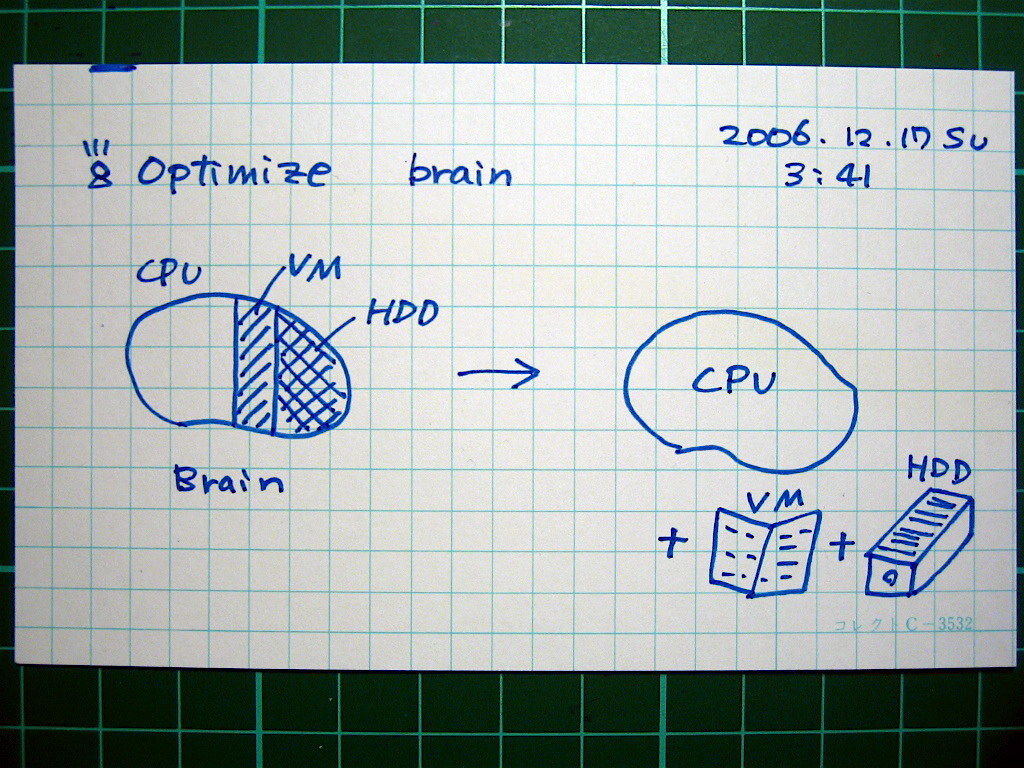
Thorough analysis of content performance is crucial for optimizing your website for search engines and user engagement. Understanding how users interact with your content allows you to identify areas needing improvement and tailor your strategy accordingly. By tracking key metrics and identifying trends, you can refine your content creation process and enhance overall website performance.
Methods for Tracking Content Performance
Several methods allow you to track the performance of your website content. These methods range from basic website analytics to more advanced tools that delve into user behavior. Careful monitoring of these metrics provides valuable insights for future content creation and optimization.
- Website Analytics Platforms: Tools like Google Analytics provide comprehensive data on website traffic, user behavior, and content engagement. This data allows for detailed understanding of user interactions with your website, providing crucial insights for improving content and enhancing user experience.
- Search Console Data: Google Search Console offers valuable information on how search engines index and rank your content. This tool helps you identify areas where your content might be underperforming in search results and helps understand how your content is being discovered and interacted with by users. This insight is vital for adjusting content and improving its visibility.
- A/B Testing: A/B testing allows for comparing different versions of content to determine which performs better. By making small changes to elements like headlines, calls to action, or image placements, you can measure the impact on user engagement and conversion rates. This testing method is crucial for identifying the most effective approach for specific content types.
Examples of Analytics Tools
Several analytics tools are available for monitoring website traffic and user engagement. These tools provide different levels of detail and functionality.
- Google Analytics: A comprehensive analytics platform offering in-depth insights into website traffic, user behavior, and content performance. It provides data on key metrics such as bounce rate, time on page, and conversion rates.
- SEMrush: A tool specifically designed for analysis, providing data on rankings, website traffic sources, and competitor analysis. This allows you to assess how your content performs in search results compared to competitors.
- Moz Analytics: Another popular tool that provides data on rankings, website traffic, and backlink analysis. It assists in understanding the effectiveness of your content in attracting organic traffic and improving search engine visibility.
Analyzing Data to Identify Areas for Improvement
Analyzing data from various sources allows you to identify areas needing improvement. The goal is to understand how users interact with your content and identify patterns or trends. This analysis is crucial for refining your content strategy.
- Identify Low-Performing Content: Analyze data to identify content pieces with low engagement metrics. This could involve pages with high bounce rates, low time on page, or low click-through rates.
- Analyze User Behavior: Track user behavior to understand how they interact with different content types. This can include analyzing the path users take through your website, the pages they visit, and the actions they take.
- Identify Trends in User Engagement: Analyze trends in user engagement metrics over time to identify patterns and changes in user behavior. This allows you to adapt your content strategy based on user preferences and trends.
Adjusting Content Based on Performance Metrics
Based on the analysis, you can adjust content to improve performance. The goal is to create content that resonates with users and meets their needs.
- Refine Content Structure and Formatting: Adjust content structure and formatting to improve readability and engagement. This could involve using headings, subheadings, bullet points, and other formatting elements to make content more digestible.
- Update Content with Fresh Information: Ensure content is up-to-date and relevant. Out-of-date information can negatively impact user engagement and search engine rankings.
- Optimize for User Experience (UX): Enhance the user experience by ensuring your content is easy to navigate and understand. This includes factors such as website speed, mobile-friendliness, and accessibility.
Identifying Trends in User Engagement
Identifying trends in user engagement is crucial for understanding user behavior. This knowledge allows you to anticipate future user needs and tailor your content accordingly.
- Monitor Key Metrics: Regularly monitor key metrics like bounce rate, time on page, and conversion rates. This allows you to track user engagement over time.
- Analyze User Demographics: Analyze user demographics to understand the characteristics of your audience. This can help you tailor your content to meet their specific needs.
- Analyze User Search Queries: Analyze user search queries to understand what users are searching for and how your content relates to those queries. This information can be used to optimize your content for search engines and meet user needs.
Performance Analysis Table
| Analytics Tool | Key Metrics | Interpretation | Actionable Steps |
|---|---|---|---|
| Google Analytics | Bounce Rate, Pages/Session, Avg. Session Duration | High bounce rate suggests users are leaving quickly. Low pages/session indicates users aren’t exploring the site. Short session duration suggests content isn’t engaging. | Improve content structure, add internal links, create more engaging calls to action. |
| SEMrush | Rankings, Organic Traffic | Poor rankings mean your content isn’t appearing in search results. Low organic traffic indicates a lack of visibility. | Optimize content for relevant s, improve content quality, build high-quality backlinks. |
| Moz Analytics | Backlink Profile, Domain Authority | Weak backlink profile indicates a lack of trust and authority from other sites. Low domain authority suggests content isn’t seen as valuable. | Build high-quality backlinks, create valuable content, enhance on-page . |
| A/B Testing Tools | Conversion Rate, Click-Through Rate | Low conversion rate or click-through rate suggests the current version of content is not effective. | Refine headlines, calls to action, and design elements. Test alternative versions of content. |
Conclusive Thoughts
In conclusion, optimizing website content for using AI is a dynamic and multifaceted process. By understanding search engine algorithms, utilizing AI tools effectively, and optimizing for diverse devices, you can significantly enhance your website’s visibility and user engagement. This guide provides a structured framework for implementing these strategies and achieving tangible results. Remember to continuously analyze performance data and adapt your strategies to stay ahead in the ever-evolving digital landscape.