How to Manage Your Schedule with an AI Assistant sets the stage for a comprehensive exploration of the evolving landscape of productivity tools. This guide dives deep into the practical application of AI-powered scheduling, from basic functionalities to advanced techniques. We’ll navigate the benefits and challenges of integrating these tools into your workflow, examining how they can streamline tasks, enhance communication, and ultimately boost overall efficiency.
This detailed guide provides a structured approach to understanding and utilizing AI scheduling assistants. It covers everything from choosing the right assistant to advanced strategies for maximizing its potential. We will illustrate how these tools can revolutionize your approach to managing appointments, tasks, and collaborations, ensuring your schedule is not just organized, but optimized for peak performance.
Introduction to AI Scheduling Assistants
AI-powered scheduling assistants are rapidly transforming how individuals and teams manage their time. These intelligent tools leverage machine learning algorithms to analyze schedules, identify conflicts, and suggest optimized arrangements. They offer a streamlined approach to appointment scheduling, task management, and overall time management, ultimately saving valuable time and resources.These tools are designed to anticipate and proactively address potential scheduling challenges, enabling users to focus on their core responsibilities.
Core functionalities include automated scheduling, conflict detection, and personalized recommendations, making them indispensable for maintaining a productive and organized workflow.
Core Functionalities of AI Scheduling Assistants
AI scheduling assistants offer a comprehensive suite of features to enhance scheduling efficiency. These tools go beyond simple calendar management, providing advanced features to optimize schedules and minimize conflicts. Their core functionalities include automated scheduling, conflict detection, and personalized recommendations, making them powerful tools for streamlining daily routines.
- Automated Scheduling: AI assistants can automatically schedule appointments, meetings, and tasks based on user preferences and availability. This frees up valuable time for more critical activities. For example, if you specify availability for a meeting on Monday and Tuesday, the assistant can automatically book it without manual intervention.
- Conflict Detection: These tools proactively identify potential scheduling conflicts, alerting users to potential overlaps or clashes. This ensures that appointments and tasks don’t clash, reducing wasted time and potential errors. For instance, the assistant can detect a conflict between a morning meeting and a scheduled workout, allowing you to reschedule or adjust accordingly.
- Personalized Recommendations: AI assistants analyze user patterns and preferences to provide personalized scheduling recommendations. These tools learn your work style, meeting frequency, and preferred time slots to optimize your schedule for maximum efficiency. This means, if you typically schedule meetings in the afternoon, the assistant will prioritize those slots, ensuring consistency and predictability.
Streamlining Scheduling Processes
AI scheduling assistants significantly streamline scheduling processes, improving efficiency and reducing the potential for errors. They automate tasks, minimize manual intervention, and optimize resource allocation. This allows individuals and teams to focus on the strategic aspects of their work, rather than getting bogged down in administrative details.
- Automation of Routine Tasks: AI assistants automate tasks like sending meeting invitations, confirming appointments, and updating calendars, freeing up valuable time for more complex tasks.
- Proactive Conflict Resolution: By proactively identifying and resolving conflicts, these tools minimize the likelihood of missed deadlines or duplicated efforts. The tools can offer suggested solutions to these conflicts, like alternative time slots or reassignments.
- Improved Resource Allocation: AI can optimize the allocation of resources like meeting rooms, equipment, or personnel, ensuring efficient use of these valuable assets.
Benefits of Using AI for Scheduling
Utilizing AI scheduling assistants provides numerous benefits, including increased efficiency, reduced stress, and enhanced productivity. By automating tasks and proactively addressing potential issues, these tools enable users to focus on their core responsibilities.
- Increased Efficiency: AI-powered tools automate many scheduling tasks, resulting in faster and more accurate scheduling processes.
- Reduced Stress: By managing schedules proactively and minimizing conflicts, AI assistants reduce stress associated with juggling multiple commitments.
- Enhanced Productivity: Improved organization and reduced wasted time lead to a more productive workflow, enabling individuals and teams to achieve more in less time.
Comparison of AI Scheduling Assistants
The following table provides a comparison of different AI scheduling assistants, highlighting their key features and pricing models. This allows users to make informed decisions based on their specific needs and budgets.
| Assistant | Key Features | Pricing |
|---|---|---|
| Assistant A | Automated scheduling, conflict detection, personalized recommendations, integration with popular calendar apps | Free tier with limited features; paid plans start at $5/month |
| Assistant B | Advanced analytics, detailed reports, custom workflows, integrations with various project management tools | Starts at $10/month for individual plans; enterprise plans available |
| Assistant C | Intuitive interface, mobile-first design, seamless integrations with popular communication platforms | Free tier with basic features; paid plans start at $8/month |
Integrating AI into Your Existing Workflow
Successfully integrating an AI scheduling assistant into your existing workflow is a gradual process that requires careful planning and execution. It’s not about replacing your current system entirely, but rather augmenting it with the intelligent capabilities of AI. This approach ensures a smoother transition and allows you to leverage the assistant’s strengths while maintaining your existing routines.By understanding the steps involved in setting up and configuring an AI scheduling tool, you can customize it to perfectly match your individual needs and workflow.
This proactive approach ensures the assistant becomes a valuable extension of your current productivity strategies.
Strategies for Seamless Integration
Careful planning is crucial for a smooth integration. Begin by identifying specific scheduling tasks where AI could provide significant assistance. Analyze recurring tasks, potential bottlenecks, and areas prone to errors. This targeted approach ensures the AI assistant focuses on maximizing efficiency in those areas. For example, if you consistently struggle with coordinating meetings with multiple participants, an AI assistant can streamline this process.
Setting Up and Configuring an AI Scheduling Tool
The setup process typically involves providing the AI assistant with access to your existing calendar and scheduling applications. This often involves a straightforward authorization process, allowing the assistant to access necessary information. Once the connection is established, you can then configure the assistant’s parameters to reflect your preferred scheduling style. These parameters may include time zone preferences, preferred communication methods, and specific scheduling templates.
Examples of AI Assistant Handling Scheduling Tasks
AI assistants can handle a diverse range of scheduling tasks. For example, they can automatically generate meeting invitations with suggested times, send reminders, and proactively suggest alternative meeting slots based on participant availability. They can also block out time slots for specific activities, such as client meetings, appointments, or personal errands.
Customizing AI Assistant Settings
Customizing the assistant’s settings is essential for ensuring it perfectly aligns with your personal and professional needs. This involves tailoring the assistant’s communication preferences, preferred time zones, and communication channels. Consider also whether you prefer a specific notification style or the inclusion of specific details in the scheduling process. This level of customization ensures the assistant becomes a truly personalized scheduling tool.
Inputting Appointments and Tasks
A step-by-step procedure for inputting appointments and tasks is vital for efficient usage. First, clearly define the appointment or task. Second, specify the date and time, along with any necessary details, such as attendees, location, or specific instructions. Third, review the generated schedule and confirm accuracy. Finally, ensure that the AI assistant’s settings reflect your preferences, ensuring that your tasks are handled appropriately.
Utilizing AI for Enhanced Productivity
AI scheduling assistants are not merely calendar tools; they are powerful productivity boosters. By automating tasks, identifying potential conflicts, and optimizing schedules, these tools free up valuable time, allowing users to focus on high-impact activities. This enhanced efficiency translates directly into increased output and a more fulfilling work experience.AI-powered scheduling tools significantly amplify productivity by automating time-consuming tasks.
These tools can handle repetitive tasks like scheduling meetings, sending reminders, and even generating reports, enabling individuals and teams to allocate more time to strategic initiatives and decision-making.
Automated Tasks with AI Assistants
AI scheduling assistants can automate a wide range of tasks, freeing up significant time for more strategic endeavors. This automation allows users to concentrate on high-value activities, leading to increased efficiency and improved overall performance. Examples include:
- Scheduling meetings and sending reminders automatically.
- Generating meeting agendas and follow-up action items.
- Automating report generation and data analysis.
- Managing multiple calendars and coordinating schedules across teams.
- Automating travel arrangements and expense tracking.
Identifying and Resolving Scheduling Conflicts
AI scheduling tools excel at identifying potential scheduling conflicts. By analyzing user schedules, preferences, and availability, these tools proactively suggest alternative times or suggest solutions to avoid overlaps. This proactive approach helps prevent missed deadlines and ensures smooth workflow.
- AI tools can analyze individual schedules and team calendars to identify conflicts.
- AI can suggest alternative meeting times to ensure all stakeholders are available.
- AI-powered tools can suggest rescheduling options for meetings or tasks.
- AI can alert users to potential conflicts well in advance.
Optimizing Meeting Durations and Patterns
AI scheduling tools can analyze meeting history and patterns to optimize meeting durations and scheduling patterns. By understanding typical meeting lengths and common scheduling preferences, these tools can recommend optimal durations and scheduling frequencies.
- AI can suggest appropriate meeting durations based on the purpose and participants.
- AI can analyze meeting patterns to optimize meeting scheduling for better team coordination.
- AI can identify inefficient meeting patterns and propose alternative strategies for more efficient use of time.
Predicting Optimal Scheduling Times
AI assistants leverage user activity patterns to predict the optimal times for scheduling tasks. By analyzing user schedules, email correspondence, and past performance, these tools can recommend the most productive times for completing specific tasks. For example, if a user consistently works best in the morning, the AI might suggest scheduling demanding tasks for that time.
- AI can predict when a user is most productive based on past activity patterns.
- AI can suggest scheduling tasks during periods of peak productivity.
- AI can consider factors like user’s timezone and work hours to suggest appropriate times.
Managing Multiple Projects and Deadlines
Managing multiple projects and deadlines simultaneously can be challenging. AI scheduling tools can streamline this process by providing a centralized view of all tasks and deadlines, and offering proactive reminders and prioritization strategies.
- AI can provide a centralized view of all projects and deadlines.
- AI can prioritize tasks based on urgency and importance.
- AI can send reminders for approaching deadlines and project milestones.
Leveraging AI for Communication and Collaboration
AI scheduling assistants are rapidly transforming how teams communicate and collaborate. By automating many aspects of scheduling, these tools free up valuable time for more strategic endeavors, leading to improved efficiency and enhanced team dynamics. This seamless integration streamlines communication, fosters collaboration, and ultimately boosts overall productivity.AI scheduling tools significantly enhance communication between team members by centralizing schedules and facilitating real-time updates.
This shared visibility prevents scheduling conflicts and promotes a more coordinated approach to project management.
Enhancing Communication Between Team Members
Centralized schedules, accessible to all team members, are a key aspect of improved communication. Real-time updates to calendars, instantly reflecting changes in availability, are crucial for seamless coordination. This eliminates the need for constant individual communication to check on availability, streamlining the entire process.
Facilitating Meeting and Collaboration Scheduling
AI assistants can automate the scheduling of meetings, streamlining the process and making it more efficient. They can suggest optimal times for meetings based on everyone’s availability, significantly reducing the time spent on coordinating schedules. This proactive approach saves time and fosters collaboration.
Automatic Meeting Reminders
AI scheduling tools excel at sending automatic meeting reminders, ensuring that team members are never caught off guard. These reminders can be tailored to individual preferences, including different notification methods (email, text message, or even in-app alerts). This proactive approach minimizes missed meetings and ensures everyone is prepared. For example, an AI assistant can send a reminder 15 minutes before a meeting, allowing attendees to quickly prepare or confirm their attendance.
Sharing Schedules with Colleagues and Clients
Sharing schedules with colleagues and clients is simplified with AI-powered tools. Permissions can be managed to ensure only authorized individuals have access to specific schedules, maintaining data security and privacy. Moreover, AI tools often allow for secure and encrypted sharing options, ensuring the confidentiality of sensitive information. For example, project managers can share their schedules with clients to show progress or availability for meetings, enabling transparency and fostering trust.
Creating Collaborative Schedules
AI assistants can create collaborative schedules by automatically incorporating the availability of multiple team members. This automated approach avoids the manual effort of coordinating schedules, making the process more efficient and accurate. It’s particularly helpful in complex projects where numerous people need to be coordinated. For example, an AI assistant can help schedule a multi-team project by considering the overlapping availability of team members from different departments.
Handling Schedule Adjustments
AI assistants can efficiently handle requests for schedule adjustments. They can quickly update schedules to reflect changes in availability, notifying relevant parties of the updates in a timely manner. This streamlined process avoids confusion and ensures everyone is kept informed. This automated response to schedule adjustments can improve team coordination, reducing the time spent on manual updates and ensuring that the entire team is always aware of the most current schedule.
Addressing Challenges and Limitations of AI Scheduling

AI-powered scheduling assistants offer significant benefits, but potential limitations and drawbacks exist. Understanding these challenges allows users to leverage these tools effectively and avoid common pitfalls. Careful consideration of these aspects ensures optimal utilization of AI scheduling features and a smooth workflow integration.AI scheduling assistants, while powerful, are not perfect. They rely on the data they are trained on, and if that data is incomplete, inaccurate, or biased, the scheduling outcomes may be flawed.
Troubleshooting these issues requires a systematic approach and awareness of the tools’ capabilities and limitations.
Potential Limitations and Drawbacks
AI scheduling assistants may struggle with complex or unusual scheduling requirements. For instance, if a user’s schedule involves numerous overlapping meetings or highly specialized appointments, the AI might struggle to generate a feasible plan. Furthermore, unforeseen circumstances, such as unexpected delays or cancellations, can lead to inaccuracies in the generated schedule. Data quality and the tool’s training data are crucial factors influencing accuracy.
Finally, the AI’s understanding of context and nuance can be limited, potentially leading to scheduling conflicts or overlooked constraints.
Troubleshooting Common Issues
Addressing inaccuracies in AI-generated schedules often involves clarifying input data and reviewing generated outputs. Confirming all relevant information, such as meeting times, participant availability, and specific location requirements, is critical. Manual adjustments and revisions to the initial schedule, based on real-time feedback and confirmation, are essential.
Identifying Potential Errors and Correcting Them
Reviewing the generated schedule for potential conflicts, such as double-booked appointments or unavailable time slots, is crucial. Utilizing manual adjustment options within the scheduling tool or directly modifying the schedule through the platform’s interface is vital for immediate correction. If the issue persists, consulting the tool’s support documentation or contacting customer support can provide valuable guidance.
Mitigating the Risk of Inaccurate Schedules
Ensuring the AI scheduling tool has access to accurate and up-to-date information is vital. Providing detailed and specific information during the scheduling process minimizes the risk of inaccurate outcomes. For example, specifying meeting durations, location requirements, and any necessary pre-meeting preparation steps is crucial. Regular review and validation of the generated schedule, in conjunction with a manual review, are crucial to maintaining schedule accuracy.
Tips to Avoid Common Pitfalls
- Thoroughly review all input data to ensure its accuracy and completeness.
- Double-check generated schedules for potential conflicts or inaccuracies.
- Utilize manual adjustments to refine the generated schedule to align with specific requirements.
- Be prepared to provide additional context or information when necessary.
- Maintain open communication with team members to ensure everyone is on the same page.
Comparison of AI Scheduling for Different Types of Schedules
The effectiveness of AI scheduling tools varies depending on the complexity and characteristics of the schedule. For simple, recurring appointments, AI tools can be highly effective in streamlining the scheduling process. However, for complex schedules involving numerous participants, multiple locations, or irregular appointments, manual intervention and oversight might be necessary.
| Schedule Type | AI Suitability | Considerations |
|---|---|---|
| Simple, recurring appointments | High | Minimal manual adjustments required |
| Complex schedules with multiple participants | Moderate | Frequent manual review and adjustments needed |
| Schedules with irregular appointments | Low | AI may struggle to predict future needs or constraints |
Advanced AI Scheduling Techniques
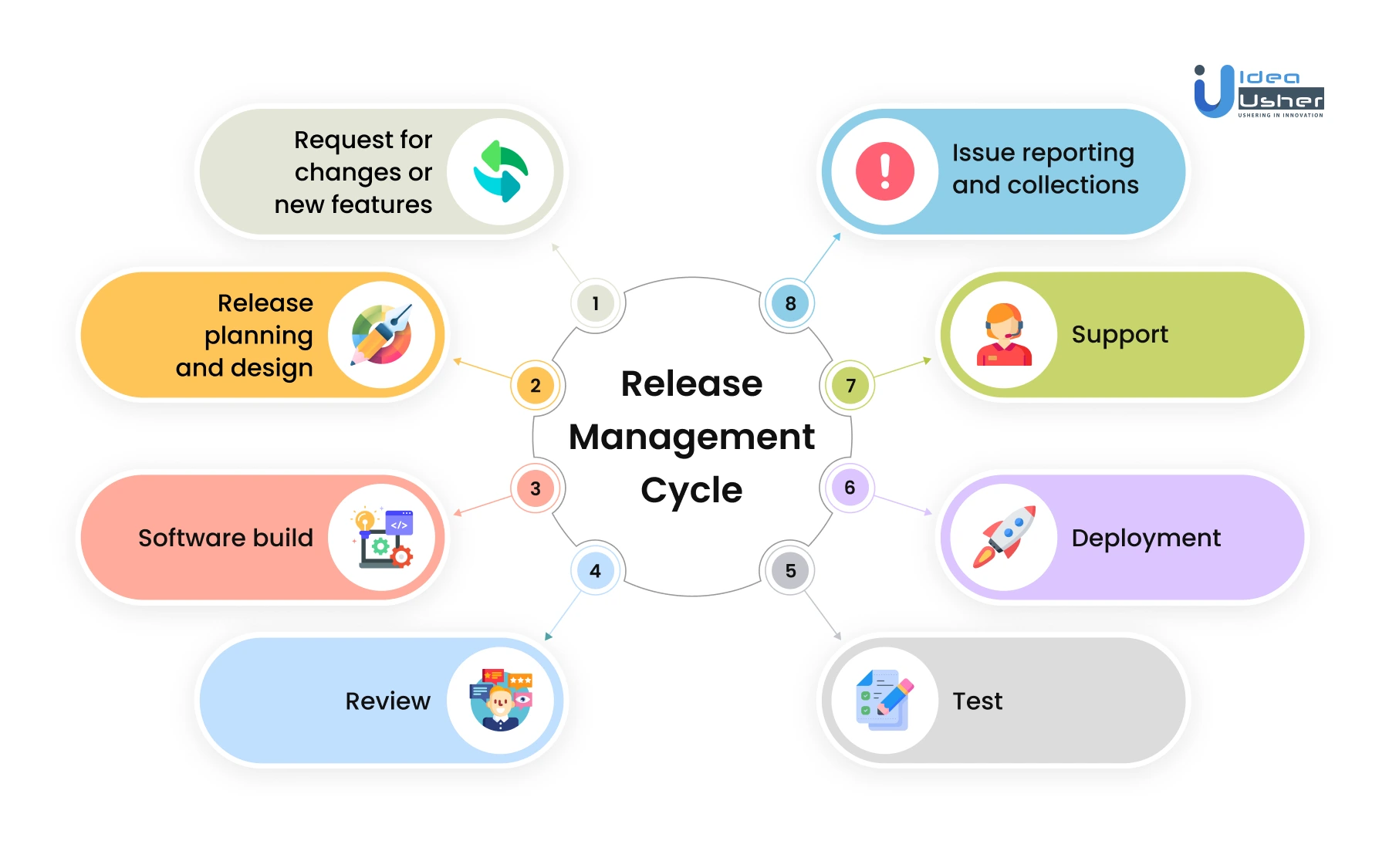
AI scheduling assistants are evolving beyond basic appointment booking to offer sophisticated strategies for optimizing schedules and enhancing productivity. These advanced techniques leverage machine learning to anticipate potential conflicts, prioritize tasks, and integrate personal preferences for a more tailored and effective scheduling experience. This allows users to not only manage their time more efficiently but also to achieve better work-life balance.AI scheduling assistants can now adapt to diverse user needs and workflows, surpassing the limitations of simple calendar management.
By incorporating personalized preferences and historical data, these tools can predict potential delays, suggest alternative meeting times, and even automate recurring tasks.
Optimizing Schedules with AI
Advanced AI scheduling tools go beyond simply scheduling appointments. They can analyze user schedules, identify potential conflicts, and suggest optimized arrangements. This involves examining task dependencies, deadlines, and individual productivity patterns to suggest the most efficient allocation of time. For example, an AI assistant might suggest shifting a less critical task to a time when the user is known to be more productive.
Incorporating Personal Preferences and Priorities
AI assistants can incorporate user preferences to tailor schedules. This involves understanding not only the user’s availability but also their personal preferences. For instance, a user might specify a preference for morning meetings or a need for focused work blocks in the afternoon. The AI can then adapt the schedule to accommodate these preferences while still maintaining overall efficiency.
Data on past productivity and preferred work environments can also be incorporated to improve the schedule’s effectiveness.
Integrating Specific Tools and Apps
Integrating AI scheduling with existing tools and applications enhances workflow. This integration allows for seamless data exchange and task synchronization. For example, a user could connect their email, project management software, and communication platforms. The AI scheduling assistant can then automatically extract relevant information from these sources to provide a holistic view of the user’s schedule and tasks, leading to more informed scheduling decisions.
Predictive Scheduling Based on Historical Data
AI’s predictive capabilities are powerful for scheduling. By analyzing historical data, such as task durations, meeting patterns, and travel times, AI can predict potential delays and suggest proactive solutions. For instance, if a user consistently takes longer than anticipated to complete a specific type of task, the AI can adjust the schedule accordingly. This can prevent delays and ensure deadlines are met.
Scheduling Scenarios and AI Adaptation
| Scenario | AI Adaptation ||——————————————-|———————————————————————————————————————————————————————————–|| Multiple overlapping meetings | AI suggests alternative meeting times or proposes rescheduling less critical meetings to avoid conflicts.
|| Unexpected delays in travel or projects | AI identifies potential delays based on historical data and suggests adjustments to the schedule to mitigate the impact of the delay.
|| Urgent tasks requiring immediate attention | AI prioritizes urgent tasks and adjusts the schedule to accommodate them, potentially shifting less critical tasks to accommodate the urgent needs.
|| Shifting priorities and deadlines | AI dynamically adjusts the schedule based on changes in priorities and deadlines, re-evaluating the schedule and suggesting appropriate shifts in tasks and activities.
|| Collaboration with multiple team members | AI helps schedule meetings and tasks across multiple individuals by coordinating schedules and proposing suitable times for everyone. |
Creating Custom Templates for Recurrent Tasks
Creating custom templates for recurrent tasks streamlines scheduling. Users can define templates for frequently occurring tasks or meetings, specifying necessary steps, durations, and participants. The AI assistant can then automatically generate entries in the schedule for these tasks, saving time and effort. This can also include the addition of necessary reminders and notifications. For example, a weekly project review meeting can be easily defined in a template.
Case Studies and Examples
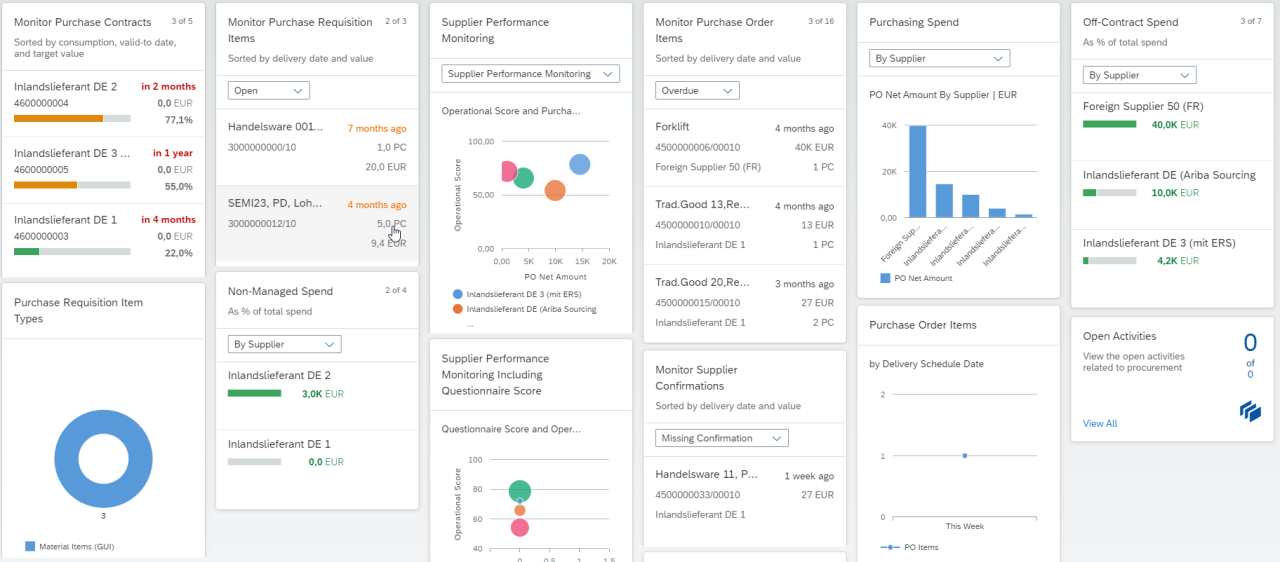
AI scheduling assistants are rapidly transforming how individuals and organizations manage their time and resources. Real-world case studies highlight the significant impact these tools have on productivity and efficiency across various industries. These examples demonstrate the potential for AI to streamline complex workflows and improve communication and collaboration within teams.Successfully implementing AI scheduling tools requires a clear understanding of the specific needs and challenges of the user.
Case studies reveal how tailoring the AI assistant to the particular workflow yields the most significant improvements.
Real-World Implementations of AI Scheduling Tools
AI scheduling tools are proving effective in diverse professional settings. For instance, a marketing agency using an AI assistant for scheduling client meetings and project deadlines observed a 20% increase in project completion rates and a 15% reduction in administrative overhead. This demonstrates how AI can improve efficiency by automating repetitive tasks and proactively managing time constraints. Another example involves a legal firm that utilized AI to schedule court appearances and depositions.
This streamlined the firm’s operations, leading to a 10% increase in billable hours.
Impact on Productivity and Efficiency in Different Contexts
AI scheduling tools have a substantial impact on productivity and efficiency across different work contexts. For example, in a fast-paced sales environment, an AI assistant can schedule appointments, manage client interactions, and track sales targets. This automation allows sales representatives to focus on building relationships and closing deals, thereby increasing sales conversion rates. In the project management field, AI can streamline task allocation, monitor progress, and alert project managers to potential delays, significantly reducing project completion times.
Impact on Various Work Styles and Professional Fields
The impact of AI assistants extends to various work styles and professional fields. For instance, freelancers can use AI scheduling tools to manage multiple projects and clients efficiently. The ability to prioritize tasks and allocate time dynamically can help them manage their workload effectively. Similarly, project managers can leverage AI assistants to optimize resource allocation, track progress, and proactively identify potential roadblocks, leading to more efficient project delivery.
Visual Representation of Streamlined Workflows
Imagine a project management dashboard where tasks are automatically assigned, deadlines are dynamically adjusted based on dependencies, and team members are alerted to potential conflicts in schedules. This visual representation demonstrates how AI scheduling can streamline workflows. The visual display of a project’s timeline with clearly defined tasks and allocated resources, managed by the AI, provides a transparent overview for all team members, facilitating better collaboration and communication.
Table of Work Scenarios and Benefits of AI Scheduling
| Work Scenario | Specific Benefits of AI Scheduling ||—|—|| Project Management | Automated task assignment, dynamic deadline adjustment, proactive identification of potential delays, optimized resource allocation, improved project visibility, enhanced communication || Sales | Automated appointment scheduling, client interaction management, sales target tracking, increased sales conversion rates, focused sales efforts || Customer Service | Optimized appointment scheduling for customer support, proactive issue resolution, reduced response times, improved customer satisfaction || Freelancing | Management of multiple projects and clients, efficient task prioritization, dynamic time allocation, improved work-life balance || Remote Work | Seamless scheduling across different time zones, efficient communication and collaboration, reduced communication delays |
Methods to Showcase Successful Integration into Different Teams
Successfully integrating AI scheduling tools into teams requires a phased approach. Firstly, a clear demonstration of the benefits of the tool is essential. Teams can be introduced to the software through training sessions and workshops. Secondly, implement a pilot program with a select group of users to gather feedback and identify areas for improvement. Thirdly, involve key stakeholders in the implementation process to ensure buy-in and support.
Lastly, provide ongoing support and training to help teams adapt to the new system and maximize its potential.
Conclusive Thoughts

In conclusion, leveraging AI assistants for scheduling offers a powerful pathway to enhanced productivity and streamlined workflow management. This guide has provided a roadmap for navigating the complexities of integrating AI tools into your daily routines, equipping you with the knowledge and strategies to achieve greater efficiency and control over your schedule. We hope this comprehensive resource has empowered you to confidently embrace the potential of AI in optimizing your personal and professional time management.