Embark on a transformative language learning journey with the power of AI tutors. This guide explores the exciting world of AI-powered language learning, providing insights into various platforms, strategies, and the future of language education. From personalized learning experiences to interactive exercises, discover how AI tutors can tailor your language acquisition to your specific needs and learning style.
This comprehensive guide dives deep into the practical aspects of using AI tutors for language learning. We’ll cover everything from choosing the right platform to understanding the benefits and challenges of AI-assisted language acquisition. The exploration of learning strategies, content design, and interactive exercises will equip you with the knowledge to make the most of these innovative tools.
Introduction to AI Language Learning
Artificial intelligence (AI) is rapidly transforming various aspects of education, and language learning is no exception. AI tutors offer personalized learning experiences, adapting to individual student needs and progress. This innovative approach promises to revolutionize how individuals acquire new languages, providing dynamic and engaging learning environments.AI tutors leverage sophisticated algorithms to provide customized feedback, targeted exercises, and adaptive learning paths.
By analyzing student performance, AI can identify areas requiring improvement and tailor instruction accordingly. This personalized approach often leads to more effective and efficient language acquisition than traditional methods.
Types of AI Language Tutors
AI language tutors come in diverse formats, catering to various learning styles and preferences. These include interactive language learning apps, online platforms, and dedicated software applications. Each platform offers unique features and functionalities, allowing learners to choose the format best suited to their needs. For instance, mobile apps often focus on quick, bite-sized lessons, while web-based platforms provide more comprehensive learning resources and tools.
Benefits of AI Language Tutors
AI tutors offer several key advantages over traditional language learning methods. Firstly, they provide personalized learning experiences, adapting to individual student needs and pace. This customized approach ensures that learners receive targeted instruction, maximizing their learning potential. Secondly, AI tutors offer 24/7 accessibility, allowing learners to study at their convenience. This flexibility is crucial for busy schedules and allows for consistent practice and reinforcement.
Thirdly, AI tutors can provide immediate feedback and corrections, helping learners identify and rectify errors in real-time. This constant feedback loop promotes faster learning and improved accuracy. Finally, AI tutors can track progress and adapt lessons accordingly, ensuring that learning remains engaging and effective.
Comparison of AI Language Tutor Platforms
The table below highlights key features and comparisons of popular AI language tutor platforms. This allows learners to make informed decisions based on their specific requirements and preferences.
| Platform | Key Features | Pros | Cons |
|---|---|---|---|
| Duolingo | Gamified lessons, vocabulary building, grammar exercises, pronunciation practice | Free access, user-friendly interface, effective for beginners | Limited advanced features, less comprehensive grammar explanations |
| Babbel | Interactive lessons, personalized learning paths, vocabulary and grammar exercises, pronunciation practice, progress tracking | High-quality content, structured learning, excellent for specific language goals | Subscription-based, may be expensive for some learners |
| Rosetta Stone | Immersive language learning, focus on communication skills, adaptive exercises, and real-world scenarios | Holistic approach, strong emphasis on practical application, useful for conversational skills | Can be expensive, interface might not be as user-friendly as other platforms |
| Memrise | Flashcards, spaced repetition, interactive lessons, games, and community features | Effective for vocabulary acquisition, engaging learning experience, strong community support | Limited grammar and sentence structure focus, may not be suitable for learners seeking a structured curriculum |
Learning Strategies with AI Tutors

AI language learning tutors are revolutionizing the way individuals approach language acquisition. These intelligent systems offer a dynamic and personalized learning experience, adapting to individual needs and preferences to maximize learning outcomes. They go beyond traditional rote memorization, focusing on practical application and real-world communication skills.AI tutors excel at supporting diverse learning styles and paces, providing customized learning paths to ensure every learner feels empowered and successful.
They offer interactive exercises, targeted feedback, and engaging content that keeps learners motivated and actively involved in the learning process. This proactive approach fosters a deeper understanding of the language and its nuances.
Personalized Learning Paths
AI tutors are designed to adapt to individual learning styles and paces. This personalized approach ensures learners receive the support they need to progress at a comfortable speed. By analyzing learner performance, AI tutors can identify areas needing reinforcement and adjust the curriculum accordingly. This adaptability ensures learners feel empowered and can maintain a consistent pace that is optimal for them.
Adaptive Exercises and Feedback
AI tutors can generate a vast array of exercises tailored to specific learning objectives. These exercises can range from grammar drills and vocabulary quizzes to interactive conversations and comprehension tasks. Furthermore, AI tutors provide personalized feedback, highlighting areas where improvement is needed and suggesting strategies for better understanding. This immediate and specific feedback is invaluable for learners seeking to refine their language skills.
Gamification for Motivation
AI tutors leverage gamification techniques to enhance learner engagement and motivation. Points, badges, and leaderboards can incentivize learners to complete tasks and progress through the learning material. Interactive games and simulations make the learning process more enjoyable, fostering a sense of accomplishment and encouraging sustained effort. For example, a vocabulary learning module could incorporate a mini-game where learners match words to definitions, earning points for correct answers.
Example Learning Paths
| AI Language Learning Platform | Learning Path Examples |
|---|---|
| Duolingo | Daily lessons focusing on vocabulary, grammar, and pronunciation; interactive exercises and quizzes; gamified progress tracking |
| Babbel | Personalized lessons based on learner’s strengths and weaknesses; real-life scenarios and cultural insights; interactive dialogues and cultural context |
| Rosetta Stone | Immersive language learning; focus on communicative competence; interactive exercises and multimedia content; personalized feedback and progress monitoring |
| LingQ | Focus on vocabulary acquisition; learner-curated content; interactive exercises and vocabulary building tools; community-based learning |
This table provides a glimpse into the diverse learning paths offered by various AI language learning platforms. Each platform employs different strategies, reflecting its unique approach to language acquisition. The effectiveness of these paths depends on the learner’s individual preferences and learning style.
Content and Curriculum Design

AI tutors are revolutionizing language learning by offering dynamic and personalized learning experiences. Their ability to adapt to individual student needs and create engaging content significantly enhances the learning process. This section explores how AI tutors design diverse learning materials, adapt to varying language levels, utilize assessments, and craft personalized learning paths.
Diverse Learning Materials
AI tutors can generate a wide array of learning materials, going beyond traditional textbooks. They can create interactive exercises, engaging games, and multimedia content like videos and audio recordings tailored to specific language skills and learning styles. For example, an AI tutor could produce a series of interactive dialogues for practicing conversational French, or a set of vocabulary games for memorizing Spanish terms.
This diversity caters to different learning preferences and ensures a more comprehensive and engaging learning experience.
Adaptive Content for Different Language Levels
AI tutors excel at adapting content to suit various language proficiency levels. By analyzing a student’s performance, the AI can adjust the difficulty and complexity of exercises, ensuring that the material remains challenging but attainable. For example, a beginner learning Spanish might start with basic greetings and introductions, progressing to more complex sentence structures and vocabulary as their skills develop.
This adaptive approach helps learners stay motivated and engaged throughout the learning process.
AI-Powered Language Assessments
AI tutors incorporate sophisticated language assessments to monitor student progress and provide targeted feedback. These assessments can evaluate various language skills, including grammar, vocabulary, pronunciation, and comprehension. By analyzing the results, the AI can pinpoint specific areas where the student needs further practice, tailoring the learning path accordingly. This continuous assessment loop ensures that learning remains focused and efficient.
Personalized Learning Paths
AI tutors create personalized learning paths by analyzing individual student strengths and weaknesses. This individualized approach goes beyond simply adjusting the difficulty of exercises; it involves recommending relevant learning resources, suggesting specific practice activities, and even providing tailored feedback on individual performance. For example, a student who struggles with pronunciation might receive more practice exercises focusing on specific sounds and phonetic patterns.
This personalized approach maximizes the effectiveness of learning.
Content Types Offered by Different AI Language Learning Tools
| AI Language Learning Tool | Content Types |
|---|---|
| Duolingo | Interactive exercises, gamified lessons, vocabulary flashcards, audio recordings, and multimedia content |
| Babbel | Adaptive lessons, interactive dialogues, grammar explanations, audio exercises, and cultural insights |
| Rosetta Stone | Immersive language learning, interactive dialogues, visual and auditory exercises, cultural contexts |
| LingQ | Vocabulary building, listening comprehension exercises, reading comprehension, articles, and curated language resources |
This table provides a general overview of the diverse content types offered by different AI-powered language learning tools. The specific content and features can vary significantly depending on the particular platform.
Interactive Exercises and Practice
AI tutors offer a dynamic and engaging approach to language learning, moving beyond passive textbook study. Interactive exercises provide learners with immediate feedback and personalized guidance, fostering a more effective and enjoyable learning experience. These exercises simulate real-world language use, helping learners to build confidence and fluency.
AI-Powered Interactive Exercises
AI tutors excel at creating a wide array of interactive exercises tailored to different language learning styles and skill levels. These exercises are designed to actively engage learners in the target language, fostering a deeper understanding and retention of vocabulary and grammar.
Tracking and Analyzing Learner Progress
AI tutors meticulously track learner progress across various exercises. This data-driven approach allows for personalized feedback and targeted practice, ensuring learners focus on areas requiring more attention. Detailed progress reports can be generated to showcase learner development and identify strengths and weaknesses.
Instant Feedback and Corrections
AI tutors provide instant feedback and corrections on exercises, allowing learners to identify and rectify errors immediately. This immediate reinforcement of correct responses and identification of mistakes is crucial for language acquisition. By offering immediate feedback, AI tutors can effectively guide learners toward improved language proficiency.
Simulating Real-World Language Scenarios
AI tutors excel at simulating real-world language scenarios. These simulations immerse learners in authentic communication contexts, helping them develop crucial conversational skills and prepare for real-life interactions. Examples include role-playing conversations, interpreting audio clips, and translating documents in realistic settings.
Interactive Exercises for Different Language Skills
| Language Skill | Example Interactive Exercises |
|---|---|
| Listening | Matching audio clips to written descriptions, identifying key words in spoken dialogues, and filling in blanks in audio conversations. |
| Speaking | Role-playing scenarios, conducting mock interviews, practicing conversations with virtual partners, and recording and analyzing pronunciation. |
| Reading | Comprehension exercises with multiple-choice questions, identifying vocabulary in context, and summarizing passages. |
| Writing | Creating emails, composing short stories, drafting essays, and translating text. |
Personalized Learning Experiences
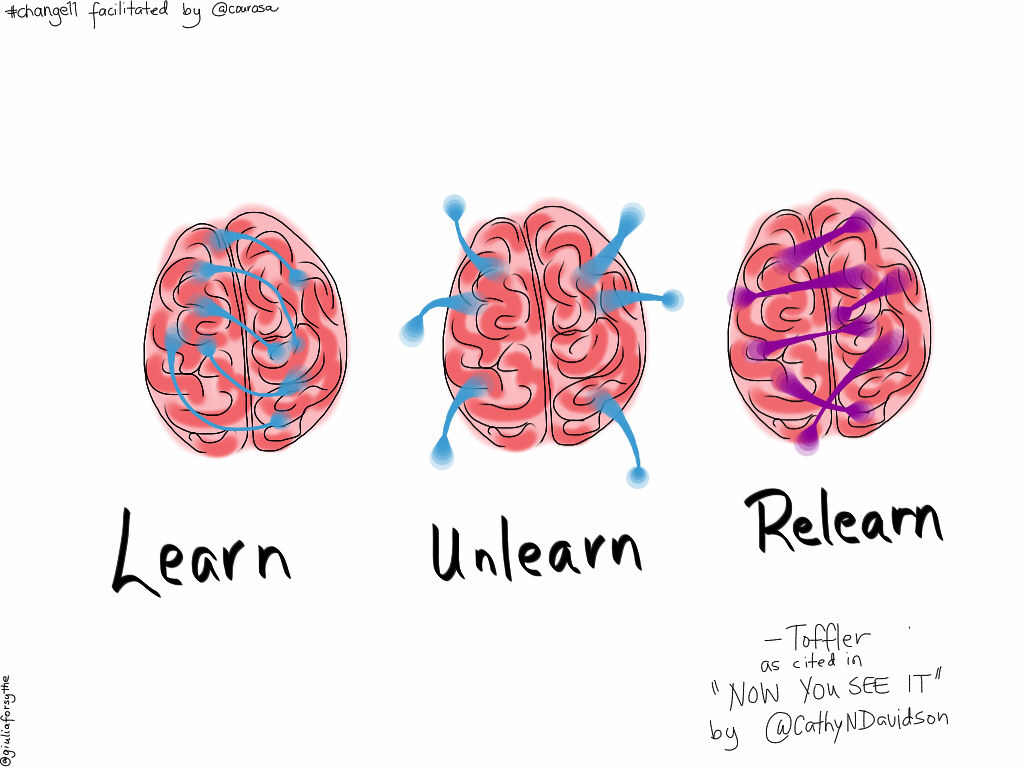
AI tutors offer a powerful means of tailoring language learning to individual learner needs, moving beyond the one-size-fits-all approach of traditional methods. This personalization significantly enhances the learning process by adapting to each learner’s unique pace, strengths, and weaknesses. By dynamically adjusting content and exercises, AI tutors can create truly individualized learning journeys, leading to more effective and engaging learning experiences.Personalized learning experiences with AI tutors are achieved through a combination of adaptive algorithms and learner profiling.
These tutors analyze individual learner performance, identifying areas of strength and weakness, and then dynamically adjusting the curriculum and exercises to focus on areas needing further development. This personalized approach promotes a more effective and engaging learning experience for all learners.
Adapting to Individual Learner Needs
AI tutors leverage sophisticated algorithms to assess learners’ proficiency levels and learning styles. These assessments consider various factors, including previous language learning experience, preferred learning modalities (visual, auditory, kinesthetic), and current skill levels. This comprehensive analysis enables the AI tutor to adapt the learning materials and exercises to best suit each individual’s needs. For example, a learner struggling with verb conjugation might receive more focused practice exercises, while a learner proficient in vocabulary might be challenged with more complex reading materials.
Offering Personalized Learning Paths
AI tutors construct personalized learning paths by dynamically adjusting the curriculum based on learner performance. This means that the tutor can tailor the order of topics, the depth of coverage, and the pace of learning to meet the specific needs of each learner. Instead of a rigid syllabus, the learner progresses through materials at a pace determined by their individual needs and progress.
The AI tutor constantly monitors progress, adjusting the difficulty and content to maintain an optimal learning curve.
Importance of Learner Engagement and Motivation
Learner engagement and motivation are crucial components of effective AI-powered language learning. AI tutors can employ various strategies to maintain learner interest and enthusiasm. These include interactive games, gamification elements, progress tracking, and personalized feedback. By making learning fun and rewarding, AI tutors foster a positive learning environment that encourages sustained effort and consistent progress.
Creating a Supportive and Encouraging Learning Environment
AI tutors can create a supportive and encouraging learning environment by providing immediate feedback, personalized guidance, and ongoing encouragement. This support system helps learners build confidence and overcome challenges. The AI tutor acts as a patient and understanding mentor, providing encouragement and support as needed. This supportive environment fosters a positive learning experience and boosts learner confidence.
Tailoring Learning Experiences for Different Learners
| Learner Profile | AI Tutor Adaptation Strategies |
|---|---|
| Beginner | Simplified vocabulary, basic grammar explanations, audio-visual aids, interactive games focused on pronunciation and basic phrases, and frequent positive reinforcement. |
| Intermediate | Increased complexity in vocabulary and grammar, more nuanced explanations, varied practice exercises involving dialogues and real-life scenarios, and feedback focusing on specific errors and improvement areas. |
| Advanced | Exposure to complex grammatical structures, advanced vocabulary, authentic language materials, advanced writing exercises, and opportunities for interaction with native speakers, including simulated conversations. |
| Visual Learner | Emphasis on visual aids, interactive diagrams, flashcards, and videos demonstrating language usage. |
| Auditory Learner | Emphasis on audio recordings, interactive conversations, pronunciation exercises, and opportunities to listen to native speakers. |
| Kinesthetic Learner | Hands-on activities, role-playing, simulations, and interactive games that allow learners to actively participate in the learning process. |
Challenges and Limitations of AI Language Tutors
AI language tutors offer a compelling approach to language learning, but their effectiveness is not without limitations. While these tools can provide personalized learning experiences and targeted practice, inherent limitations in AI capabilities must be acknowledged. Understanding these challenges is crucial for optimizing the use of AI in language acquisition and ensuring a well-rounded learning experience.
Limitations of Human-like Interaction
AI language tutors excel at providing structured lessons and feedback on grammar and vocabulary. However, their ability to replicate the nuanced and spontaneous interactions found in human conversation is still developing. AI tutors struggle with understanding context-dependent meaning, subtle emotional cues, and the complexities of colloquialisms. This lack of true understanding can hinder learners’ ability to develop fluency and communicative competence.
Furthermore, the absence of empathy and personalized guidance, crucial elements in human-led instruction, is a significant shortcoming. Learners may find themselves lacking in opportunities for spontaneous conversation and the nuanced feedback that only human interaction can provide.
Overcoming the Challenges
Successfully navigating the challenges of AI language tutors requires a proactive approach. Learners should supplement AI-driven exercises with opportunities for human interaction, such as language exchange programs, conversation partners, or in-person classes. Integrating these human elements into a blended learning approach can help bridge the gap between AI-driven practice and real-world language use. Moreover, learners should critically evaluate the feedback and guidance provided by AI tutors, seeking clarification or alternative perspectives from human teachers or peers when necessary.
This critical evaluation is key to ensuring that the learning experience remains effective and enriching.
Role of Human Interaction
Human interaction plays an indispensable role in effective language acquisition. Beyond the provision of structured lessons and feedback, human teachers can provide valuable context and understanding. Humans can interpret subtle nuances in language, adapt to individual learning styles, and offer personalized encouragement. The ability to respond to learners’ individual needs and emotional states fosters a more engaging and supportive learning environment.
This personalized interaction is critical for the development of emotional intelligence and the creation of a strong sense of motivation, which are often lacking in purely AI-driven learning experiences.
Potential Challenges and Limitations of Different AI Language Learning Platforms
| AI Language Learning Platform | Potential Challenges | Limitations |
|---|---|---|
| Platform A | Limited ability to understand cultural nuances in language use. Difficulty in providing individualized feedback on pronunciation and intonation. | May not effectively cater to diverse learning styles. Feedback may not be nuanced enough to address subtle errors in grammar and sentence structure. |
| Platform B | Reliance on pre-programmed dialogues may limit exposure to spontaneous conversations. Potential for inaccuracies in understanding complex sentence structures. | May not adequately address learners’ specific needs. Difficulty in adapting to changing learner needs and progress. |
| Platform C | Over-reliance on automated feedback mechanisms might hinder development of critical thinking skills in language analysis. Lack of genuine emotional connection with the learner. | May struggle to evaluate the overall communicative competence of the learner. Difficult to assess learners’ proficiency in various contexts. |
This table highlights the potential challenges and limitations that may vary depending on the specific features and capabilities of different AI language learning platforms. It underscores the need for a balanced approach that combines AI tools with human interaction for optimal language acquisition.
Future Trends and Developments
AI-powered language learning is rapidly evolving, driven by advancements in natural language processing and machine learning. This dynamic field promises to reshape the future of language education, offering personalized and engaging learning experiences that were previously unimaginable. The potential for improved accessibility and customized learning paths is substantial.
Emerging Trends in AI Language Learning
AI language learning tools are moving beyond basic translation and grammar exercises. Emerging trends include the integration of gamification, virtual reality, and augmented reality to create more immersive and interactive learning environments. These tools are also increasingly incorporating personalized feedback and adaptive learning algorithms, tailoring the learning experience to each student’s unique needs and pace. Furthermore, advancements in speech recognition and synthesis are enabling more natural and effective communication practice.
Evolution of AI Tutors
Future AI language tutors will likely be more sophisticated and responsive. They will be capable of recognizing and adapting to diverse learning styles and preferences. The incorporation of emotional intelligence into AI tutors will enable them to provide more empathetic and supportive learning environments. The tutors will also be more adept at handling complex language nuances and contextual understanding, moving beyond simple rule-based approaches.
For instance, a future AI tutor might identify and address a student’s hesitation in using a specific verb tense by providing tailored practice exercises and explanations, taking into account the student’s individual learning style.
Potential Impact on Language Education
AI has the potential to democratize language learning, making it more accessible and affordable for a wider range of learners. Personalized learning paths, tailored feedback, and 24/7 availability can significantly enhance the learning experience. Furthermore, AI-powered tools can be used to support language teachers, providing them with valuable data and insights to improve their teaching methods and tailor their lessons to individual student needs.
This can lead to a more effective and engaging learning environment for all.
Detailed Overview of Current Research
Current research in AI-powered language learning focuses on developing more sophisticated natural language processing models, improving speech recognition accuracy, and creating more effective methods for personalized feedback. Researchers are exploring the use of reinforcement learning and deep learning to enhance the adaptive capabilities of AI tutors, enabling them to better understand and respond to the student’s learning process. For instance, studies are being conducted on how AI can analyze student interactions with the learning material to identify areas where the student is struggling and provide targeted interventions.
Potential Future Features and Improvements
| Feature | Description | Potential Impact |
|---|---|---|
| Enhanced Emotional Intelligence | AI tutors will understand and respond to student emotions, adjusting the learning pace and tone to support the student’s emotional state. | Improved learner engagement and motivation. |
| Contextual Understanding | AI tutors will go beyond simple translation, understanding the nuances of language in context. | More accurate and relevant language learning. |
| Virtual Reality and Augmented Reality Integration | Immersive learning environments using VR/AR to practice language skills in simulated real-world situations. | Enhanced engagement and practical application of language skills. |
| Adaptive Learning Paths | AI tutors will continuously adjust the curriculum based on the student’s performance and progress. | More effective and efficient learning tailored to individual needs. |
| Multi-modal Learning | AI tutors will incorporate various learning modalities (visual, auditory, kinesthetic) to cater to diverse learning styles. | Improved learning experience for a broader range of learners. |
Conclusive Thoughts
In conclusion, AI tutors offer a dynamic and personalized approach to language learning. While acknowledging the limitations of AI in replicating human interaction, this guide highlights the significant advantages of using AI tools for language acquisition. We’ve explored the diverse ways AI tutors can support your learning journey, from personalized feedback to interactive exercises. Ultimately, this comprehensive overview empowers you to make informed decisions about incorporating AI into your language learning routine.