Identifying your target audience is crucial for marketing success. This guide delves into the strategies for precisely pinpointing your ideal customers, leveraging the power of Artificial Intelligence (AI) tools. From defining key characteristics to analyzing preferences and behaviors, we’ll equip you with actionable insights to tailor your marketing approach for maximum impact.
This in-depth exploration covers a range of essential topics, including defining your target audience, utilizing AI tools for research, understanding data, creating detailed personas, analyzing preferences and behaviors, adapting your strategy, and implementing continuous monitoring and improvement. Each step is designed to empower you with a profound understanding of your audience, ultimately leading to more effective marketing campaigns.
Defining Your Target Audience
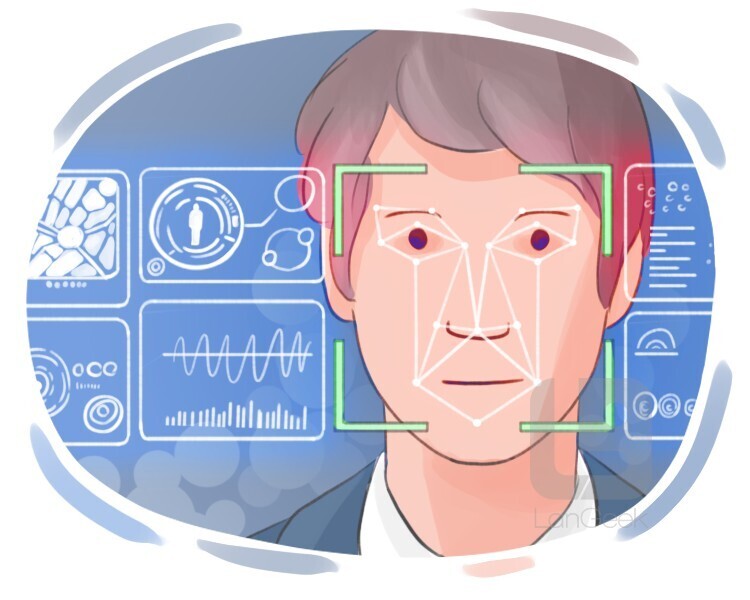
Understanding your target audience is paramount to successful marketing. It’s not just about knowing who your customers are, but also deeply understanding their needs, motivations, and behaviors. A well-defined target audience allows for more effective allocation of resources, personalized messaging, and ultimately, increased conversions.A target audience is a specific group of consumers who are most likely to purchase a product or service.
This contrasts sharply with a general audience, which encompasses a much broader and less focused group of individuals. Pinpointing your target audience enables tailored marketing strategies that resonate with their unique characteristics, leading to higher conversion rates and return on investment.
Target Audience vs. General Audience
A general audience is a large, diverse group with varied interests and needs. Marketing to a general audience often results in generic messages that fail to connect with specific customer segments. A target audience, on the other hand, is a precisely defined group with shared characteristics that make them receptive to particular products or services. This allows for more effective communication and better results.
Target Audience Segments
Identifying specific segments within your target audience is crucial for tailoring marketing efforts. These segments can be categorized based on various factors, including demographics, psychographics, and behaviors. Understanding these segments provides insights into consumer preferences and helps create targeted campaigns.
- Demographics: This segment focuses on quantifiable characteristics such as age, gender, location, income, education, and occupation. For example, a company selling luxury handbags might target high-income individuals aged 35-55, living in major metropolitan areas. Demographics provide a foundational understanding of your potential customers.
- Psychographics: Psychographics delve into the qualitative aspects of consumer behavior, such as values, interests, lifestyles, and opinions. Knowing the values and aspirations of your target audience allows you to craft messages that resonate deeply. For example, a company selling eco-friendly products might target environmentally conscious individuals who prioritize sustainability.
- Behaviors: Behavioral characteristics focus on the actions and habits of your target audience. This includes purchasing history, brand loyalty, online engagement, and media consumption patterns. For example, a company offering online courses might target individuals who actively seek knowledge and have a history of online learning.
Importance of a Defined Target Audience
A clearly defined target audience is critical for marketing success. It allows for strategic resource allocation, resulting in better return on investment. Tailored messaging that resonates with the specific needs and desires of your target audience significantly increases conversion rates. By understanding your target audience, you can avoid wasting resources on ineffective marketing campaigns.
Comparing Target Audience Segments
The following table highlights the key differences and similarities between demographic, psychographic, and behavioral segments.
| Segment | Definition | Examples | Strengths | Weaknesses |
|---|---|---|---|---|
| Demographics | Quantifiable characteristics | Age, gender, location, income | Easy to identify and measure | Limited understanding of motivations and needs |
| Psychographics | Qualitative characteristics | Values, interests, lifestyles | Provides deeper understanding of motivations | More challenging to measure and quantify |
| Behaviors | Actions and habits | Purchasing history, brand loyalty | Directly reflects consumer actions | May not fully reveal underlying motivations |
Utilizing AI Tools for Audience Research

AI tools offer powerful capabilities for understanding your target audience, transforming data into actionable insights. These tools analyze vast amounts of data, uncovering patterns and preferences that traditional methods might miss, ultimately leading to more effective marketing strategies. By leveraging AI-powered insights, businesses can tailor their offerings and messaging to resonate more deeply with their ideal customers.AI platforms provide a structured approach to audience research, enabling marketers to move beyond superficial demographics and delve into the motivations, behaviors, and preferences that drive purchasing decisions.
This allows for a more nuanced understanding of your target audience, leading to more effective marketing campaigns and increased conversion rates. These platforms are designed to streamline the research process, freeing up valuable time and resources for other critical marketing tasks.
AI Platforms for Audience Research
Various AI platforms provide sophisticated tools for audience analysis. These tools often incorporate natural language processing (NLP), machine learning (ML), and data mining techniques to uncover insights. They can analyze a wide range of data sources, including social media interactions, website browsing history, and purchase records, to paint a comprehensive picture of your target audience. By integrating these tools into your marketing strategy, you can create campaigns that are far more precise and targeted.
Examples of AI Tools
Numerous AI tools cater to different aspects of audience research. Some platforms specialize in social listening, while others excel at analyzing customer behavior on websites. Examples include:
- Social listening platforms: Tools like Brandwatch and SproutSocial utilize AI to monitor conversations and trends on social media. They can identify key influencers, gauge sentiment towards your brand, and track the effectiveness of your social media campaigns. These tools can reveal emerging trends, helping you adapt your messaging and products accordingly.
- Customer relationship management (CRM) platforms with AI integrations: Many CRM platforms now incorporate AI capabilities to analyze customer data, segment customers based on behaviors and preferences, and personalize communication strategies. This personalized approach can enhance customer engagement and loyalty.
- Website analytics tools with AI features: Tools like Google Analytics 4, with its AI-powered insights, can analyze website traffic and user behavior to identify patterns and predict future trends. This data can guide website optimization efforts, improving user experience and driving conversions.
Comparing AI Tools for Audience Analysis
Different AI tools cater to specific needs and data sources. Some specialize in social media data analysis, while others focus on website behavior. Careful consideration of the specific data you need to analyze is crucial when choosing a tool. A tool focused on social listening might not be the best option if your main concern is website conversion rates.
| Tool | Focus | Strengths | Weaknesses |
|---|---|---|---|
| Brandwatch | Social media listening | Comprehensive social media data analysis, sentiment analysis, influencer identification | May not be as effective for analyzing website behavior or purchase history |
| Google Analytics 4 | Website behavior analysis | Detailed website traffic data, user behavior insights, conversion rate tracking | Limited social media data analysis capabilities |
| HubSpot CRM | Customer relationship management | Customer segmentation, personalized communication, sales pipeline analysis | May not be as in-depth in social media or website behavior analysis |
Integrating AI Tools into Your Marketing Strategy
Integrating AI tools into your marketing strategy requires a structured approach. Begin by defining clear objectives and identifying the specific data you need to analyze. Select tools that align with these objectives and ensure seamless data integration across different platforms. Regularly monitor the insights generated by these tools, adjusting your marketing campaigns as needed to optimize performance.
This iterative approach ensures that your marketing strategies remain responsive to evolving audience preferences.
Leveraging Data to Understand Your Audience
Understanding your target audience is crucial for effective marketing and product development. Data collection and analysis are essential tools to gain deep insights into customer preferences, behaviors, and needs. By leveraging data effectively, businesses can tailor their offerings to resonate with their audience, leading to increased engagement and ultimately, higher conversion rates.
Collecting Data About Potential Customers
Gathering data about potential customers is a multifaceted process. It involves various methods to collect information about their demographics, interests, online behavior, and purchasing history. These methods should be chosen based on the specific needs of the business and the nature of the product or service. The collection process must adhere to privacy regulations and ethical guidelines.
- Surveys: Structured questionnaires provide valuable insights into customer opinions, preferences, and motivations. They can be distributed through various channels, including email, social media, and websites. The data collected can be analyzed to understand customer needs and expectations.
- Market Research Reports: External reports from market research firms provide comprehensive data on industry trends, demographics, and consumer behavior. These reports can provide a valuable overview of the target market, enabling a business to make informed decisions about product development and marketing strategies.
- Website Analytics: Website data provides insights into customer behavior on the platform, including website traffic, navigation patterns, and engagement with content. This data can help identify areas where customers struggle or are most interested, leading to improvements in user experience.
- Social Media Analytics: Platforms like Twitter, Facebook, and Instagram offer rich data on customer interactions, engagement levels, and brand sentiment. This data helps understand customer preferences and interests within the social media landscape.
- Customer Relationship Management (CRM) Systems: CRM systems track customer interactions and purchase history. Analyzing CRM data allows businesses to understand customer lifecycle stages and identify patterns in customer behavior.
Types of Data for Understanding Target Audience
Various types of data provide a comprehensive view of your target audience. These include demographic information, psychographic data, behavioral data, and geographic information.
- Demographic Data: This includes age, gender, location, income, education, and occupation. This data helps segment the audience and understand broad characteristics.
- Psychographic Data: This delves into values, interests, opinions, lifestyles, and personality traits. This provides a deeper understanding of customer motivations and preferences.
- Behavioral Data: This includes purchasing history, browsing behavior, website interactions, and engagement with marketing campaigns. This data reveals how customers interact with your brand and products.
- Geographic Data: This encompasses location, region, and climate. This is valuable for businesses targeting specific regions or adjusting their products and services based on local preferences.
Analyzing Data for Actionable Insights
Analyzing collected data requires a systematic approach to extract meaningful insights. This involves data cleaning, transformation, and statistical analysis. These insights help businesses understand the strengths and weaknesses of their products and services and identify areas for improvement.
- Data Cleaning: Data needs to be accurate and consistent to ensure reliable analysis. Inconsistent data, such as typos or missing values, needs to be addressed through data cleaning.
- Data Transformation: Transforming data into a suitable format for analysis is crucial. This may involve consolidating multiple data sources, converting data types, or creating new variables.
- Statistical Analysis: Applying statistical techniques helps identify patterns, correlations, and trends in the data. This allows businesses to draw conclusions about their target audience and make informed decisions.
Segmenting Data to Identify Specific Audience Groups
Segmenting data allows businesses to group customers with shared characteristics. This can involve demographic, psychographic, or behavioral segmentation, enabling personalized marketing and product development strategies.
- Demographic Segmentation: Dividing the audience based on age, gender, location, income, and education.
- Psychographic Segmentation: Grouping based on values, interests, lifestyles, and personality traits.
- Behavioral Segmentation: Segmenting based on purchasing history, website interactions, and engagement with marketing campaigns.
Interpreting Data Visualizations Related to Audience Insights
Visualizations such as charts, graphs, and dashboards help understand complex data easily. These visualizations should be interpreted critically, considering the context and underlying data.
- Charts: Bar charts can display comparisons between different segments. Line charts can illustrate trends over time. Pie charts show proportions of different groups within a dataset.
- Graphs: Scatter plots show relationships between two variables. Histograms illustrate the distribution of data.
- Dashboards: Dashboards consolidate multiple visualizations, providing a comprehensive overview of key metrics and trends.
Creating Detailed Audience Personas
Understanding your target audience is crucial for effective marketing and product development. Creating detailed audience personas goes beyond basic demographics and delves into the motivations, needs, and pain points of your ideal customer. This process allows you to tailor your messaging, product features, and overall brand experience to resonate with your audience on a deeper level.
Defining Persona Characteristics
Detailed audience personas are comprehensive representations of your ideal customer. They are more than just a collection of facts; they embody the core characteristics and behaviors that drive their decisions. A well-defined persona provides a clear picture of who your customer is, what they value, and how they interact with your brand. This allows you to craft targeted messaging and tailor your offerings to meet their specific needs.
Persona Template Examples
Various templates can be used to create detailed personas. A common approach is to use a template that includes sections for demographics, psychographics, needs, pain points, motivations, and online behavior. Examples include a “customer journey map” template, or a more traditional “persona profile” sheet. Each template offers a structured way to gather and organize the information about your target audience.
This ensures comprehensive and consistent representation.
Incorporating Data-Driven Insights
Data-driven insights are essential for building accurate and relevant personas. By incorporating data from various sources, such as website analytics, social media engagement, customer surveys, and sales data, you can create a persona that accurately reflects the real-world behaviors and preferences of your target audience. This data-driven approach ensures that your personas are not just theoretical constructs but rather grounded in concrete evidence.
This approach helps ensure the persona reflects actual user behavior.
Key Characteristics and Behaviors
The following table Artikels key characteristics and behaviors of an ideal customer for a hypothetical online clothing retailer targeting young professionals:
| Characteristic | Description |
|---|---|
| Age | 25-35 |
| Location | Urban areas with strong tech industries |
| Occupation | Software engineers, marketing specialists, designers |
| Income | Mid-range income, comfortable with spending on quality clothing |
| Values | Sustainability, style, practicality, value for money |
| Online Behavior | Active on social media platforms like Instagram and Pinterest, frequent online shoppers |
| Shopping Habits | Research products thoroughly before purchase, value reviews and recommendations |
| Pain Points | Finding clothes that fit their busy lifestyle, lack of sustainable fashion options |
Tailoring Messaging to Personas
Once you have detailed personas, tailor your messaging to resonate with their specific needs and motivations. For example, if a persona values sustainability, highlight the eco-friendly aspects of your products in your marketing materials. By understanding their pain points, you can address them directly in your messaging. This targeted approach helps to increase the effectiveness of your marketing campaigns.
This is critical for crafting compelling marketing materials and creating a brand identity that resonates with the specific desires of your target audience.
Analyzing Audience Preferences and Behaviors

Understanding your target audience’s preferences and behaviors is crucial for crafting effective marketing strategies and achieving business goals. This involves delving into their habits, motivations, and decision-making processes to tailor your offerings and messaging for maximum impact. Analyzing this data empowers businesses to create campaigns that resonate with their audience, leading to higher engagement and conversion rates.By systematically examining audience preferences and behaviors, businesses gain valuable insights into what motivates their customers, allowing for personalized experiences and optimized campaigns.
This approach also helps identify emerging trends and tailor strategies to remain competitive in the market.
Identifying Common Preferences and Behaviors
Understanding common preferences and behaviors allows for the development of targeted marketing campaigns. This is achieved through the analysis of various data points, including demographics, psychographics, and online behavior. For instance, analyzing purchasing history reveals common preferences among customers, such as a preference for specific product features or price points. This understanding can then be used to refine product offerings and tailor marketing messaging to better resonate with the target audience.
Analyzing Purchasing Habits and Decision-Making Processes
A thorough understanding of purchasing habits and decision-making processes provides valuable insight into consumer behavior. This includes analyzing factors such as price sensitivity, brand loyalty, and the influence of social factors. Analyzing purchase history and frequency reveals trends in buying patterns. Understanding the steps consumers take in the purchasing process, from initial awareness to final purchase, helps identify potential bottlenecks and areas for improvement.
For example, if a significant portion of potential customers drop off at the checkout stage, this could indicate an issue with the payment process.
Tracking Audience Engagement Across Different Platforms
Tracking audience engagement across various platforms, such as social media, websites, and mobile apps, provides comprehensive insights into audience behavior. Monitoring metrics like click-through rates, time spent on pages, and social media interactions provides a clear picture of audience engagement. These metrics reveal which platforms resonate most with the target audience and how they interact with content. This data is vital for optimizing content strategies and maximizing engagement on each platform.
Utilizing Social Media Data to Understand Interests and Needs
Social media platforms offer a wealth of data on audience interests and needs. Analyzing this data reveals trending topics, popular hashtags, and conversations around products or services. This allows businesses to tailor their content to address specific interests and needs within the target audience. For instance, tracking hashtags related to a specific product can reveal important trends and user sentiment.
Leveraging Customer Feedback to Shape Understanding
Customer feedback provides invaluable insights into audience perceptions and preferences. Analyzing reviews, surveys, and feedback forms allows businesses to understand customer satisfaction and identify areas for improvement. This feedback is essential for understanding what customers value and what aspects of a product or service could be enhanced. For example, analyzing negative feedback on a product’s customer support process can highlight areas where the support team could be improved, ultimately enhancing customer satisfaction.
Adapting Your Marketing Strategy Based on Audience Insights
Understanding your target audience is a crucial step in developing a successful marketing strategy. However, the true power lies in adapting your approach based on the insights gained from this understanding. This involves tailoring your messaging, channels, content, products, and even your website to resonate with the specific needs and preferences of different audience segments. This proactive adjustment allows you to maximize your marketing impact and achieve better results.Effective marketing is not a one-size-fits-all endeavor.
By recognizing the distinct characteristics and behaviors of your audience segments, you can create campaigns that are highly targeted and impactful. This results in a more personalized experience for your audience, fostering stronger engagement and loyalty.
Adjusting Marketing Messages
Understanding your audience’s values, motivations, and pain points is essential for crafting messages that resonate. Tailoring your language, tone, and imagery to reflect their specific needs will make your message more impactful. For example, if your target audience is environmentally conscious, incorporating eco-friendly messaging and imagery into your marketing materials can significantly enhance their connection with your brand.
Similarly, understanding their preferred communication channels (e.g., social media, email, or direct mail) will determine the most effective way to deliver your message.
Adapting Marketing Channels
Different audience segments may engage with various marketing channels differently. For instance, a younger demographic might be more responsive to social media marketing campaigns, while a more mature audience might favor email marketing or print advertising. A comprehensive approach that integrates various channels, tailored to each segment’s preferences, is more likely to achieve the desired outcome.
Tailoring Products or Services
By understanding the unique needs and preferences of your target audience segments, you can adjust your products or services to better meet those needs. Gathering feedback from surveys or user interviews allows you to identify areas for improvement and design products that resonate with their preferences. For instance, if research shows a particular audience segment prefers a specific feature or functionality, you can incorporate it into your offerings.
This approach fosters customer satisfaction and loyalty.
Optimizing Website and Landing Pages
Creating a user-friendly website tailored to each audience segment is critical. This involves optimizing website navigation, content organization, and visual elements. Analyzing audience behavior on your website, such as which pages they visit most frequently and what actions they take, can provide valuable insights into improving the user experience and driving conversions. For instance, if a particular audience segment spends significant time on a specific product page, you can enhance the page’s design and content to further appeal to that segment.
Strategies for Reaching Different Audience Segments
| Audience Segment | Marketing Message | Marketing Channels | Product/Service Tailoring | Website Optimization |
|---|---|---|---|---|
| Eco-conscious millennials | Highlight sustainable practices and ethical sourcing. | Instagram, YouTube, blogs. | Offer eco-friendly product options. | Emphasize sustainability on the homepage. |
| Budget-conscious families | Focus on value and affordability. | Email marketing, local advertising. | Offer family-sized packages and discounts. | Showcase value-driven products prominently. |
| Professionals seeking career advancement | Emphasize skill development and career growth. | LinkedIn, industry publications. | Offer specialized workshops and certifications. | Highlight career-focused content. |
Continuous Monitoring and Improvement
Effective marketing relies on a dynamic approach, constantly adapting to audience feedback and evolving trends. Continuous monitoring and improvement is crucial for optimizing campaigns and maximizing ROI. This involves meticulously tracking key metrics, analyzing audience responses, and proactively adjusting strategies based on the gathered insights.Understanding audience engagement and responses to marketing efforts is vital for long-term success. A proactive approach to monitoring and adjusting strategies, rather than a reactive one, allows for quicker and more effective course corrections.
This, in turn, can lead to a more successful and profitable marketing strategy.
Monitoring Audience Engagement
Understanding how your target audience interacts with your marketing materials is paramount. This includes tracking website visits, click-through rates, social media engagement (likes, shares, comments), and email open and click-through rates. By diligently monitoring these interactions, you can gain valuable insights into what resonates with your audience and what does not.
Tracking Key Metrics
A robust framework for evaluating marketing effectiveness involves tracking relevant key performance indicators (KPIs). These metrics provide a quantifiable measure of campaign success and areas needing improvement. Some key metrics include website traffic, conversion rates, customer lifetime value, and return on ad spend (ROAS). Analyzing these metrics, and their trends, is essential for understanding campaign performance and identifying potential issues.
For example, a sustained decline in website traffic might indicate a need for adjustments to your content or marketing channels.
Analyzing Feedback and Making Adjustments
Collecting and analyzing customer feedback is critical. This includes surveys, reviews, and social media comments. A systematic approach to gathering and analyzing feedback allows for the identification of recurring themes and areas for improvement. By addressing these concerns, you can enhance customer satisfaction and improve your marketing strategies. For example, if customer reviews consistently mention slow loading times on your website, you can take steps to optimize the website’s performance.
Staying Updated with Changing Audience Trends and Preferences
The digital landscape is constantly evolving. Therefore, staying updated with the latest audience trends and preferences is crucial. This involves regularly researching industry trends, competitor activities, and changes in consumer behavior. Following industry news, analyzing social media conversations, and attending relevant industry events can help you stay ahead of the curve. For instance, if a new social media platform gains popularity, it may be worthwhile to explore its use in your marketing strategies.
Improving Your Marketing Approach
Based on the continuous monitoring and analysis, you can make strategic adjustments to your marketing approach. For instance, if your data indicates that a specific marketing campaign isn’t generating the expected results, you can refine the messaging, target a different demographic, or experiment with alternative channels. This iterative process of monitoring, analyzing, and adjusting is crucial for ensuring your marketing efforts remain aligned with your audience’s needs and preferences.
Last Recap
In conclusion, effectively identifying your target audience with AI tools empowers businesses to connect with their ideal customers on a deeper level. By understanding demographics, psychographics, behaviors, and preferences, you can craft targeted marketing campaigns that resonate, drive engagement, and ultimately lead to conversions. The comprehensive guide provided offers practical steps to refine your marketing strategies, ensuring long-term success and sustained growth.