Personalized learning plans, tailored to individual student needs and preferences, are revolutionizing education. This guide delves into the intricacies of crafting such plans, leveraging the power of Artificial Intelligence. We’ll explore the core principles of personalized learning, examine how AI algorithms analyze student data, and provide a practical roadmap for implementing these plans effectively.
From defining the various types of personalized learning plans to examining the benefits and drawbacks of different approaches, this guide covers the essential steps. We will also discuss the crucial role of AI in adapting learning experiences, ensuring data privacy and security, and the impact of AI on student achievement. Furthermore, the practical aspects of implementation, potential challenges, and future trends in this rapidly evolving field will be thoroughly examined.
Defining Personalized Learning Plans
Personalized learning plans are tailored educational pathways designed to meet the unique needs, preferences, and learning styles of individual students. They move beyond a one-size-fits-all approach, actively engaging students in the learning process and fostering deeper understanding. These plans are not static; they are dynamic documents that evolve as students’ needs and interests change.Traditional learning approaches often employ a standardized curriculum and teaching methods, assuming all students learn at the same pace and in the same manner.
In contrast, personalized learning acknowledges the diversity of learners, recognizing that different students require different approaches to achieve optimal results.Student needs and preferences are central to the development of personalized learning plans. This involves gathering information about the student’s strengths, weaknesses, learning styles, interests, and goals. Data from assessments, observations, and conversations with the student and their family play a crucial role in understanding the individual learning journey.
Types of Personalized Learning Plans
Various approaches exist for creating personalized learning plans. Some common types include competency-based learning, project-based learning, and individualized instruction. Competency-based learning focuses on mastering specific skills and knowledge, while project-based learning involves hands-on, inquiry-driven projects. Individualized instruction allows for customized pacing and content selection based on individual student needs.
Comparison of Personalized Learning Approaches
| Approach | Benefits | Drawbacks |
|---|---|---|
| Competency-Based Learning | Focuses on mastery, allowing students to progress at their own pace. It emphasizes demonstrable skills and knowledge, fostering a deeper understanding. | Requires clear and measurable learning objectives. May not suit all learning styles, especially those that thrive in a structured environment. |
| Project-Based Learning | Engages students in real-world problem-solving, fostering creativity and collaboration. Promotes deeper understanding through hands-on application. | Requires careful planning and facilitation. May be challenging to assess learning outcomes effectively in a project-based format. |
| Individualized Instruction | Tailors instruction to individual needs and learning styles. Allows for flexible pacing and content selection. | Requires significant teacher time and resources. May not provide opportunities for collaborative learning or peer interaction. |
The Role of AI in Personalization
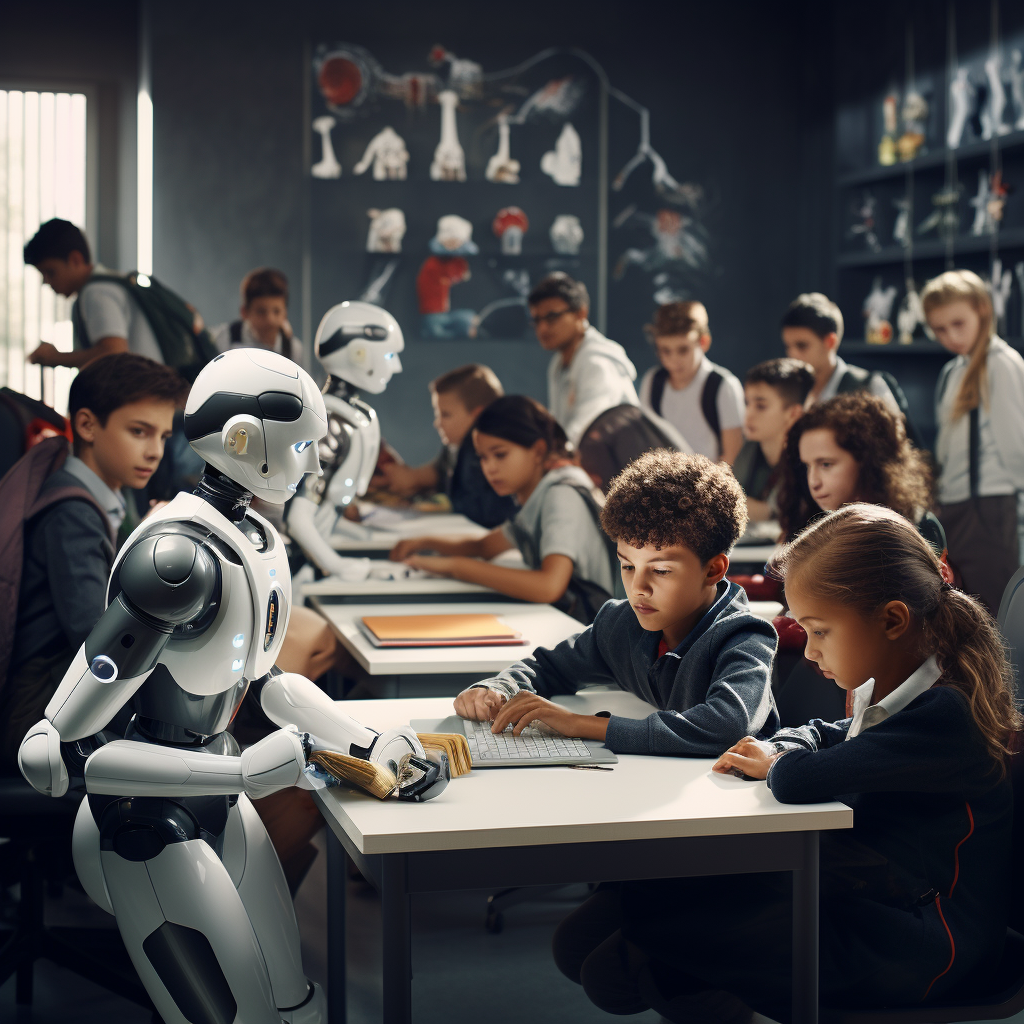
Artificial intelligence (AI) is rapidly transforming various sectors, and education is no exception. AI’s ability to analyze vast amounts of data allows for the creation of highly personalized learning plans tailored to individual student needs and learning styles. This approach goes beyond one-size-fits-all instruction, fostering a more engaging and effective learning experience.AI’s analytical capabilities enable the identification of individual learning patterns, strengths, and weaknesses.
This understanding, combined with the ability to adapt to student progress, creates a dynamic learning environment that continuously evolves to meet the student’s needs. This personalized approach to learning is expected to significantly improve learning outcomes and student satisfaction.
Methods of Tailoring Learning Experiences
AI can personalize learning experiences in several ways. These methods leverage various data points to adapt the learning process to individual student needs. AI can adjust the pace and complexity of material presented, offering more support when needed and increasing challenge as mastery is demonstrated. Adaptive learning platforms utilize AI to track student progress and provide targeted interventions, ensuring students receive the right support at the right time.
Moreover, AI can personalize the learning environment by adjusting the presentation of material to cater to different learning styles, like visual, auditory, or kinesthetic learners.
AI Analysis of Student Data
AI algorithms meticulously analyze a wide array of student data, including performance on assessments, engagement metrics, and even feedback on learning materials. This comprehensive data collection allows for the identification of individual learning patterns, which is vital for creating personalized learning plans. By identifying specific strengths and weaknesses, AI can pinpoint areas where students excel and where they require additional support.
This granular understanding allows for the development of individualized learning paths that address these specific needs. AI can also track learning patterns over time, adapting the learning plan to reflect any changes in the student’s performance or understanding.
AI-Powered Tools for Personalized Learning
Numerous AI-powered tools support personalized learning. Examples include adaptive learning platforms, which adjust the difficulty and pace of content based on student performance. These platforms often incorporate intelligent tutoring systems that provide personalized feedback and guidance. Furthermore, AI-driven tools can generate customized learning materials and exercises tailored to each student’s unique needs and learning style. These tools can even suggest relevant resources, like articles or videos, that expand on concepts the student is currently exploring.
Data Privacy and Security in AI-Driven Learning Plans
Data privacy and security are paramount in AI-driven learning plans. Robust security measures must be in place to protect sensitive student data from unauthorized access and misuse. Strict adherence to privacy regulations, such as FERPA (Family Educational Rights and Privacy Act), is crucial. Furthermore, transparency in data collection and usage practices is essential to build trust among students and parents.
Clear communication about how data is used to personalize learning experiences fosters a sense of security and control for all parties involved.
Comparison of AI Algorithms
| Algorithm | Description | Strengths | Weaknesses |
|---|---|---|---|
| Machine Learning (ML) | Algorithms that learn from data without explicit programming. | Adaptable to new data, high accuracy in prediction. | Requires large datasets for training, potential for bias in data. |
| Deep Learning (DL) | Neural networks with multiple layers, capable of learning complex patterns. | Excellent at identifying complex relationships in data, high accuracy in image and speech recognition. | Computationally intensive, difficult to interpret the decision-making process. |
| Reinforcement Learning (RL) | Algorithms that learn through trial and error, maximizing a reward function. | Can adapt to dynamic environments, suitable for complex decision-making tasks. | Can be slow to converge, potential for suboptimal solutions. |
AI-Driven Learning Plan Creation Process
Personalized learning plans, driven by AI, offer a dynamic and adaptive approach to education. This method leverages data analysis and machine learning to tailor educational experiences to individual student needs, maximizing learning outcomes. The process is iterative, continuously refining the plan based on student performance and feedback.AI systems analyze vast amounts of data, including student performance history, learning styles, and preferences, to identify strengths and areas needing improvement.
This comprehensive understanding allows for the creation of a customized learning path that is not only effective but also engaging for the student.
Step-by-Step Process
The creation of a personalized learning plan using AI typically involves a series of interconnected steps. These steps ensure a well-structured and effective learning journey for each student.
- Data Collection and Analysis: AI systems collect data from various sources, including student assessments, prior learning records, and online activity. This data is then analyzed to identify learning patterns, strengths, and weaknesses. Crucially, the analysis considers the specific learning goals and the educational context.
- Learning Style Identification: AI algorithms analyze data to determine the student’s preferred learning style. This is a crucial step as it helps in adapting the learning plan to optimize engagement and understanding. Various factors such as preferred modes of input (visual, auditory, kinesthetic), and preferred pace of learning are considered.
- Learning Objective Definition: AI identifies the specific learning objectives relevant to the student’s needs. These objectives are tailored to the student’s strengths and weaknesses, ensuring that the learning plan focuses on areas needing improvement while reinforcing existing skills.
- Content Selection and Sequencing: AI algorithms select and sequence learning materials, including educational resources, activities, and assessments. This selection is based on the identified learning objectives, learning styles, and the student’s progress. The process ensures a logical progression of learning.
- Plan Iteration and Refinement: AI systems continuously monitor student progress and adjust the learning plan based on performance data. This iterative approach ensures that the plan remains relevant and effective throughout the learning journey.
- Teacher Input and Feedback Integration: The teacher plays a crucial role in providing input and feedback to the AI system. This feedback helps refine the learning plan, ensuring that it aligns with pedagogical best practices and educational standards. The input also ensures that the plan is adaptable to the evolving needs of the student.
Flowchart of the Process
Note: A flowchart, which visualizes the steps involved, would be a useful addition here. It should clearly display the steps, their sequence, and the feedback loops.
Key Factors in Designing Personalized Learning Plans
Several key factors must be considered during the design of personalized learning plans. These factors contribute to the effectiveness and success of the learning journey.
- Individual Learning Needs: The plan must address the specific learning needs of each student, taking into account their learning styles, prior knowledge, and learning pace.
- Learning Objectives: Clearly defined learning objectives are essential to guide the design of the learning plan and measure student progress.
- Content Adaptability: The learning materials must be adaptable to accommodate diverse learning styles and paces.
- Feedback Mechanisms: Effective feedback mechanisms are essential for continuous improvement and adaptation of the learning plan.
- Technology Integration: Integration of appropriate learning technologies is crucial for creating engaging and effective personalized learning plans.
Teacher Input and Feedback
Teachers are essential to the process of creating personalized learning plans. Their input and feedback are vital for ensuring that the plan aligns with pedagogical best practices and the specific needs of each student.
- Curriculum Alignment: Teachers can ensure the plan aligns with the overall curriculum and learning standards.
- Pedagogical Best Practices: Teachers can incorporate pedagogical best practices into the learning plan.
- Individual Student Needs: Teachers can provide insights into the unique learning needs and preferences of each student.
- Assessment and Evaluation: Teachers can provide feedback on student progress and help adjust the plan accordingly.
Learning Styles and AI Adaptation
Different learning styles require different approaches. AI can adapt to these learning styles to enhance the effectiveness of personalized learning plans.
| Learning Style | Description | AI Adaptation Strategies |
|---|---|---|
| Visual Learner | Learns best through visual aids, diagrams, and images. | AI can incorporate more visual elements in the learning plan, such as videos, interactive diagrams, and presentations. |
| Auditory Learner | Learns best through listening to lectures, discussions, and audio materials. | AI can incorporate more audio elements in the learning plan, such as audio recordings, podcasts, and interactive audio exercises. |
| Kinesthetic Learner | Learns best through hands-on activities, experiments, and practical applications. | AI can incorporate more hands-on activities, simulations, and practical exercises into the learning plan. |
AI and Learning Outcomes
AI-powered personalized learning plans go beyond simply adapting content; they actively monitor and measure student progress. This crucial element allows for continuous refinement of the learning path, ensuring students stay on track and achieve their learning objectives. By integrating robust assessment and tracking mechanisms, AI can provide invaluable insights into student strengths, weaknesses, and areas needing further attention.AI systems analyze student performance data, identify learning patterns, and predict future performance trends.
This proactive approach enables educators to proactively address potential roadblocks and provide timely interventions. The result is a more dynamic and effective learning experience that caters to the individual needs of each student.
Measuring and Tracking Student Learning Progress
AI facilitates precise tracking of student learning progress by analyzing various data points, including assessments, interactive exercises, and project submissions. This comprehensive approach allows for a nuanced understanding of individual learning styles and paces. By continuously monitoring performance, AI can identify areas where students excel and where they need additional support. This ongoing evaluation ensures that learning plans remain responsive to individual needs.
Metrics and Assessments in Personalized Learning Plans
Effective personalized learning plans utilize a diverse array of metrics and assessments to evaluate student progress. These metrics range from traditional assessments such as quizzes and exams to more innovative methods like project-based learning and interactive exercises. Quantitative data, such as scores on quizzes, and qualitative data, such as feedback on projects, are both critical in understanding the depth of student understanding.
By combining multiple forms of assessment, AI can provide a holistic view of student performance, offering a more accurate and detailed picture of their strengths and weaknesses.
Potential Impact on Student Achievement
AI-driven personalized learning plans have the potential to significantly improve student achievement. By tailoring the learning experience to individual needs, AI can accelerate learning and foster a deeper understanding of the subject matter. This targeted approach can result in increased engagement, improved retention, and higher achievement levels. The ability to adapt learning plans in real-time to address individual challenges allows students to overcome obstacles and excel in their learning journey.
For example, if a student struggles with a particular concept, the AI can adjust the learning plan by providing additional resources, practice exercises, or alternative explanations.
Adapting and Modifying Learning Plans
The ability to adapt and modify learning plans is a key advantage of AI-powered systems. As students progress, AI can identify areas where adjustments are needed and proactively suggest changes to the learning plan. This continuous refinement ensures that the plan remains relevant and effective throughout the learning process. For instance, if a student demonstrates mastery of a particular topic faster than anticipated, the AI can adjust the plan to introduce more challenging material or explore related concepts in greater depth.
This flexibility allows the plan to remain responsive to the unique learning trajectory of each student.
Summary of Data Types for Tracking Learning Outcomes
| Data Type | Description | Use Case |
|---|---|---|
| Assessment Scores (e.g., quizzes, exams) | Numerical data reflecting student performance on specific assessments. | Identifying strengths and weaknesses, tracking progress over time, and determining areas requiring intervention. |
| Time Spent on Tasks | Data reflecting the duration of engagement with specific learning materials. | Assessing student engagement and identifying potential areas of difficulty or disinterest. |
| Interaction Data (e.g., clicks, responses) | Data indicating student interactions with digital learning resources. | Identifying patterns in student learning behavior, understanding preferred learning methods, and tailoring content accordingly. |
| Feedback and Self-Assessment | Qualitative data provided by students or gathered through self-assessment tools. | Gaining insights into student understanding, identifying areas of confusion, and validating the effectiveness of learning strategies. |
Implementation and Challenges
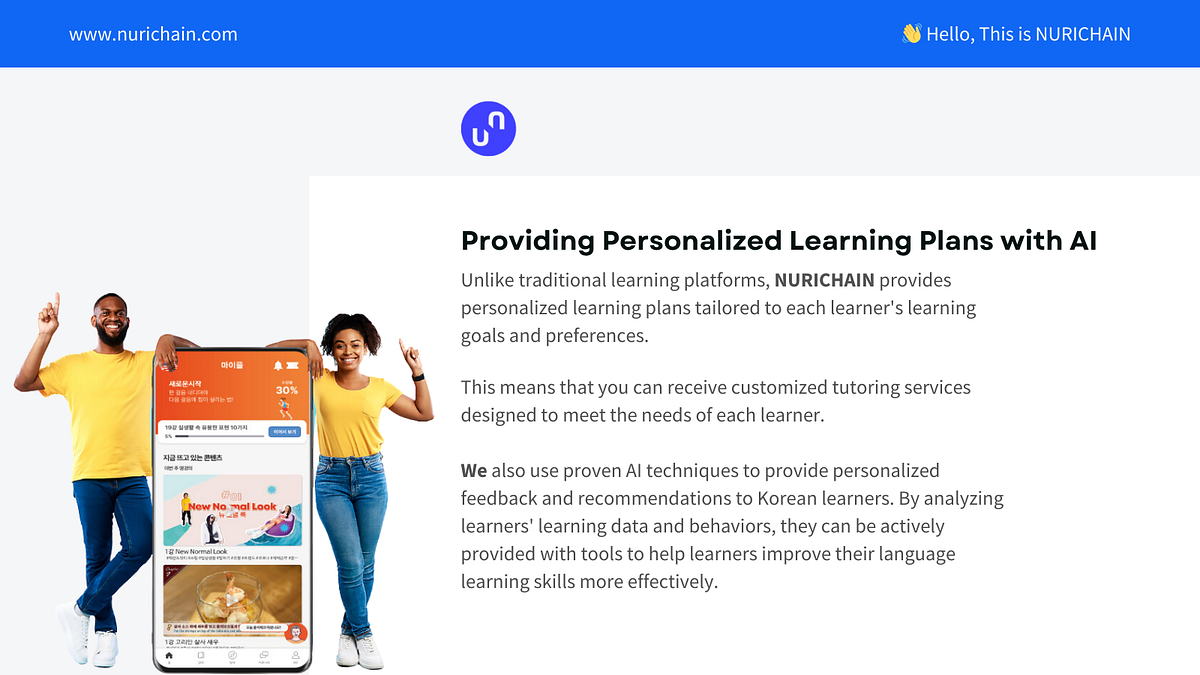
Implementing AI-powered personalized learning plans requires a multifaceted approach, encompassing technological infrastructure, pedagogical strategies, and careful consideration of ethical implications. This process demands a comprehensive understanding of the learner’s needs and a commitment to continuous improvement and evaluation. Effective implementation hinges on a robust system capable of adapting to evolving learning styles and preferences.The successful integration of AI into educational settings requires a significant investment in both technology and training.
A clear understanding of the potential challenges and limitations of AI in education is crucial for mitigating risks and maximizing benefits. This includes proactively addressing ethical concerns and ensuring equitable access to personalized learning opportunities for all students.
Practical Steps for Implementation
A phased approach to implementation is recommended. Initial steps should focus on pilot programs with small groups of students to assess the effectiveness of the system and gather feedback. This allows for adjustments and refinements before broader implementation. Key steps include:
- Data Collection and Analysis: Gather comprehensive student data, including academic performance, learning styles, and preferences. This data must be ethically sourced and used responsibly, adhering to privacy regulations.
- System Design and Development: Develop a robust AI system capable of analyzing student data and generating personalized learning plans. The system must be scalable and adaptable to accommodate the diverse needs of learners.
- Curriculum Integration: Integrate personalized learning plans into existing curricula, ensuring alignment with learning objectives and assessment criteria. This involves training teachers on the use of the system and providing ongoing support.
- Monitoring and Evaluation: Continuously monitor the effectiveness of the personalized learning plans and collect feedback from students and teachers. Regular evaluations will identify areas for improvement and ensure the system adapts to evolving needs.
- Iterative Refinement: Use feedback and evaluation data to refine the AI system and personalize learning plans further. This iterative process ensures the system continually improves its accuracy and effectiveness.
Potential Challenges and Limitations
The implementation of AI in education is not without challenges. One key concern is the potential for bias in algorithms, which could perpetuate existing inequalities. Ensuring fairness and equity is paramount.
- Algorithmic Bias: AI algorithms trained on biased data can perpetuate and even amplify existing societal biases, leading to unfair or inaccurate learning plans for certain student groups. Careful data selection and algorithm design are critical to mitigate this risk.
- Data Privacy and Security: Protecting student data is paramount. Robust security measures and adherence to privacy regulations are essential to safeguard sensitive information.
- Teacher Training and Support: Educators need adequate training and ongoing support to effectively utilize AI-powered personalized learning plans. This includes understanding how to interpret the data and integrate the plans into their teaching practice.
- Accessibility and Equity: Ensuring equitable access to AI-powered learning plans for all students, regardless of socioeconomic background or location, is critical. Addressing digital divides and providing necessary resources are key to promoting inclusivity.
- Over-reliance on Technology: The focus should remain on human interaction and guidance, not on solely relying on AI for all learning needs. AI should be used as a tool to enhance, not replace, the role of teachers and mentors.
Ethical Concerns
Addressing ethical concerns is crucial in the implementation of AI in education. Transparency, accountability, and data security must be prioritized.
- Transparency and Explainability: The decision-making processes of AI systems should be transparent and explainable. Students and educators should understand how the system arrives at personalized learning plans.
- Data Security and Privacy: Implementing robust security measures to protect student data and adhering to relevant privacy regulations is essential.
- Accountability and Oversight: Establishing clear lines of accountability for the use of AI in education is critical. Human oversight and review of AI-generated plans are vital.
Successful Implementations
Several educational institutions have successfully integrated AI into their learning environments. These implementations demonstrate the potential of AI to enhance personalized learning.
- Example 1: A school district used AI to tailor math instruction for students based on their individual needs and learning styles. This led to improved math scores and increased student engagement.
- Example 2: A university implemented an AI system to provide personalized feedback on student writing assignments. This enhanced the quality of student work and improved their writing skills.
Technical Requirements
| Requirement | Description | Implementation Notes |
|---|---|---|
| Robust Data Infrastructure | A system for collecting, storing, and processing student data securely and ethically. | Implementing secure data storage and access controls. |
| Advanced AI Algorithms | Algorithms capable of analyzing complex student data and generating personalized learning plans. | Selecting appropriate algorithms for the specific learning objectives. |
| User-Friendly Interface | A platform for teachers and students to easily access and utilize personalized learning plans. | Prioritizing ease of use and intuitive navigation for both users. |
| Scalable System | A system capable of handling a large number of students and learning plans. | Ensuring the system can adapt to increasing data volume. |
Future Trends in AI-Powered Personalized Learning
Personalized learning, driven by AI, is poised for significant advancements. Emerging technologies are transforming how students learn, tailoring educational experiences to individual needs and preferences. This evolution promises a more engaging and effective educational landscape, enabling learners to achieve their full potential.The future of AI-powered personalized learning will be shaped by several key trends, including advancements in adaptive learning platforms, the integration of AI with diverse learning resources, and the development of more sophisticated AI models capable of understanding complex learning patterns.
These advancements will lead to more effective and efficient learning experiences.
Emerging Technologies in Personalized Learning
AI-powered personalized learning is continually evolving, driven by a number of exciting emerging technologies. These technologies are not only enhancing the learning process but also addressing the unique needs of diverse learners. Natural language processing (NLP) is becoming increasingly sophisticated, enabling AI systems to understand and respond to students’ written and spoken language. This allows for more nuanced feedback and assessment, helping students better articulate their understanding and identify areas needing improvement.
Machine learning algorithms are also improving their ability to predict student performance and tailor learning paths accordingly. This predictive capability allows for proactive interventions and support, preventing students from falling behind.
Potential Advancements in AI for Effective Learning Plans
AI is continuously refining its ability to create personalized learning plans. These advancements stem from the development of more robust and complex algorithms that can analyze vast amounts of data to identify individual learning styles, strengths, and weaknesses. AI can also predict potential challenges and proactively recommend support resources. This proactive approach to identifying and addressing learning gaps ensures students receive the necessary support to succeed.
For example, an AI system might notice a student struggling with a particular mathematical concept and recommend targeted practice exercises, online tutorials, or even connect them with a tutor.
Innovative Applications of AI in Educational Settings
AI is being integrated into various educational settings, leading to innovative applications. For example, AI-powered chatbots can provide instant support and answer student questions in real-time, addressing immediate learning needs. Virtual tutors, powered by AI, can provide personalized guidance and support, allowing for more tailored interaction. Furthermore, AI can be used to personalize learning materials, tailoring content and pacing to each student’s individual needs.
This customization can significantly enhance engagement and understanding.
AI Adaptation to Different Learning Environments
The versatility of AI is crucial for personalized learning. AI can adapt to diverse learning environments, including online classrooms, physical classrooms, and blended learning models. By analyzing student interactions and performance data across different platforms, AI can tailor learning experiences that are seamlessly integrated across various educational settings. This adaptability ensures that AI-powered personalized learning is accessible and effective in diverse educational contexts.
Potential Future Applications of AI in Education
| Application | Description | Potential Impact ||—|—|—|| AI-powered Adaptive Learning Platforms | Dynamically adjust the learning pace and content based on student performance, providing tailored learning paths. | Improved learning outcomes and engagement, increased efficiency in delivering instruction. || Personalized Feedback and Assessment Tools | Provide immediate and specific feedback on student work, identifying strengths and weaknesses, and offering tailored suggestions for improvement.
| Enhanced learning experience, increased student understanding, improved teacher efficiency in providing feedback. || AI-Driven Virtual Tutors | Offer personalized support and guidance to students, providing tailored instruction and answering questions in real-time. | Increased accessibility to support, enhanced learning outcomes, reduced workload on teachers. || AI-Powered Personalized Learning Content Creation | Generate learning materials tailored to individual student needs and preferences, including interactive exercises and multimedia content.
| Enhanced learning engagement, greater flexibility in learning materials, increased accessibility to diverse learning styles. || Intelligent Learning Analytics Platforms | Track student performance and identify potential learning gaps, providing proactive interventions and support. | Early identification of learning difficulties, timely intervention to support students, and more effective resource allocation. |
Final Review

In conclusion, this guide has illuminated the path towards personalized learning through the application of AI. By understanding the diverse types of learning plans, the role of AI in customization, and the critical steps involved in implementation, educators and learners can unlock the potential of AI to create truly transformative learning experiences. While challenges exist, the future of education is poised to embrace the power of AI-driven personalization, fostering a more effective and engaging learning environment for all.