Unlocking the power of AI to analyze marketing campaigns is crucial for success in today’s dynamic market. This comprehensive guide provides a step-by-step approach to evaluating campaign performance, utilizing AI tools, and optimizing results. We’ll explore the intricacies of data collection, preparation, and analysis, empowering you to gain actionable insights and drive significant improvements in your marketing strategies.
From understanding key performance indicators (KPIs) for various campaign types to selecting the right AI tools, this guide covers the essential aspects of AI-driven marketing analysis. We’ll delve into the practical application of machine learning, A/B testing, and visualization techniques to make data-informed decisions, and discuss potential challenges and solutions to ensure a smooth transition to AI-powered analysis.
Introduction to Performance Measurement
Understanding and evaluating the effectiveness of marketing campaigns is crucial for optimizing resource allocation and achieving desired business outcomes. A thorough analysis of campaign performance allows businesses to identify successful strategies, pinpoint areas needing improvement, and ultimately maximize return on investment (ROI). This crucial evaluation process forms the bedrock of data-driven decision-making in the marketing sphere.Assessing campaign performance involves measuring various metrics that provide insights into different aspects of the campaign.
These metrics encompass a wide range of factors, including customer engagement, conversion rates, and overall campaign reach. Analyzing these metrics allows marketers to understand what resonates with their target audience and adapt their strategies accordingly.
Key Performance Indicators (KPIs) for Marketing Campaigns
A critical aspect of evaluating marketing campaigns is identifying the right KPIs. Different campaign types necessitate different metrics for assessing success. A well-defined set of KPIs provides a standardized method for tracking and evaluating the performance of each campaign. This standardized approach allows for consistent comparisons across campaigns and facilitates identification of best practices.
| Marketing Campaign Type | Key Performance Indicators (KPIs) |
|---|---|
| Social Media Campaigns | Engagement rate (likes, shares, comments), reach, website traffic, conversion rate from social media |
| Search Engine Marketing (SEM) Campaigns | Click-through rate (CTR), cost per click (CPC), conversion rate, qualified leads generated |
| Email Marketing Campaigns | Open rate, click-through rate, conversion rate, unsubscribe rate |
| Content Marketing Campaigns | Website traffic, time spent on site, social media shares, lead generation, brand mentions |
| Paid Advertising Campaigns (e.g., Display Ads) | Impressions, click-through rate (CTR), cost per click (CPC), conversion rate, return on ad spend (ROAS) |
Benefits of Using AI in Performance Measurement
AI offers significant advantages in automating and enhancing the performance measurement process. AI-powered tools can analyze vast amounts of data from various sources, identify patterns and trends that might be missed by manual analysis, and predict future campaign performance. This predictive capability allows for proactive adjustments to campaigns, maximizing their effectiveness and minimizing wasted resources. AI can also identify anomalies and potential issues early on, enabling swift corrective actions.
Metrics Used to Assess Campaign Effectiveness
Various metrics are utilized to gauge campaign effectiveness. Common metrics include website traffic, conversion rates, customer acquisition cost (CAC), return on ad spend (ROAS), and engagement rates. These metrics provide a comprehensive picture of campaign performance, allowing marketers to assess various aspects of the campaign’s impact. The selection of appropriate metrics depends on the specific objectives of the campaign.
For instance, a campaign focused on brand awareness might prioritize metrics like social media engagement, while a campaign aimed at generating leads would focus on conversion rates.
AI Tools for Campaign Analysis
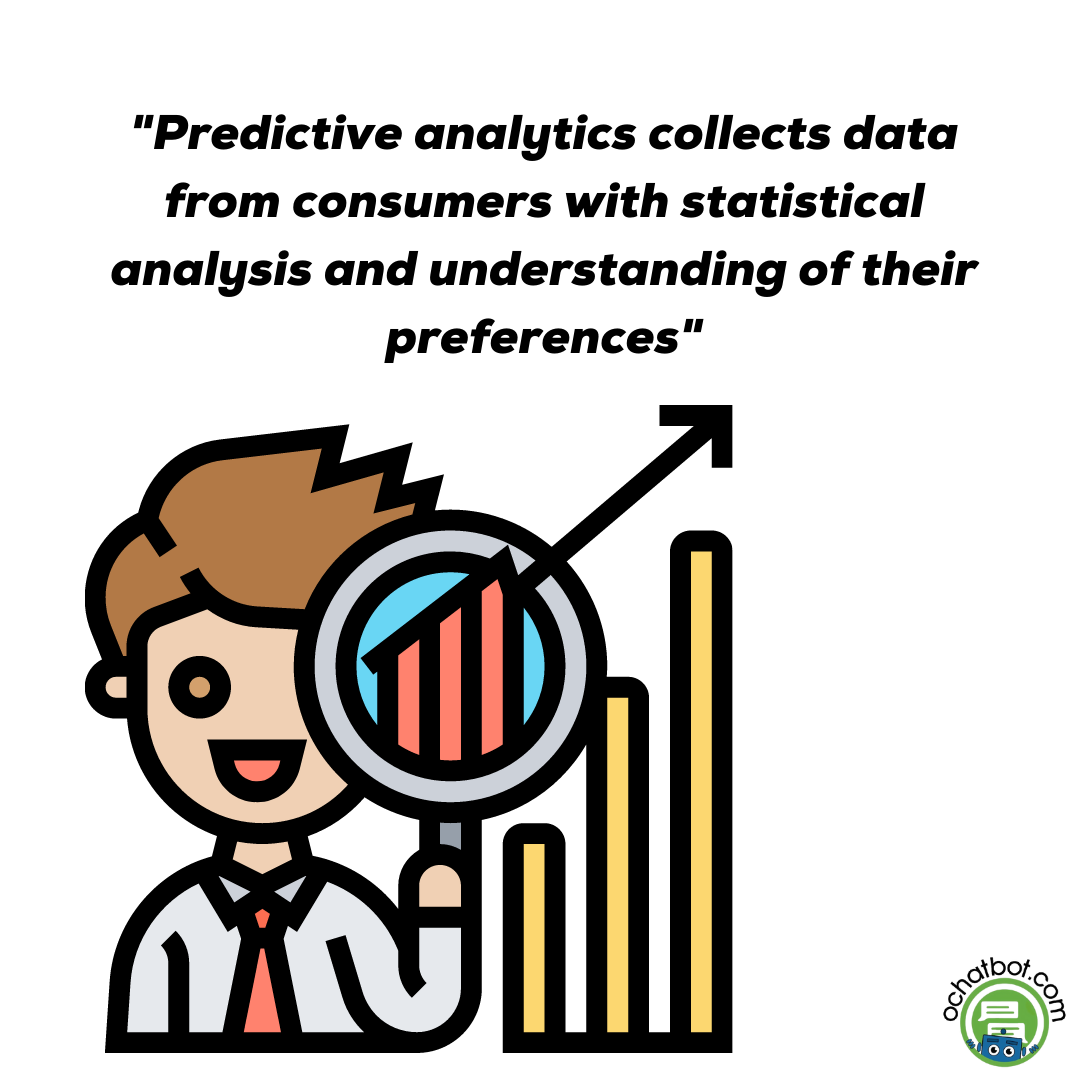
AI is rapidly transforming marketing campaign analysis, providing sophisticated tools to glean insights from vast datasets and optimize performance. These tools automate tasks, identify patterns, and predict future outcomes with greater accuracy than traditional methods. This capability allows marketers to make data-driven decisions, allocate resources effectively, and achieve higher ROI.AI tools analyze marketing data to uncover hidden correlations and trends, ultimately enabling proactive adjustments to campaigns.
By automating the analysis process, these tools free up human analysts to focus on strategic decision-making rather than tedious data entry and manipulation.
Types of AI Tools
Various AI tools are available, catering to different needs and budgets. These tools encompass a spectrum of capabilities, from basic data visualization and reporting to complex predictive modeling and campaign optimization. These tools include:
- Data visualization platforms: These platforms use AI to present marketing data in interactive and insightful charts and graphs. They simplify complex data sets, enabling users to quickly identify key trends and patterns.
- Predictive modeling tools: These tools leverage AI algorithms to forecast future campaign performance based on historical data. They predict campaign effectiveness, customer response, and potential ROI.
- Campaign optimization platforms: These tools utilize AI to continuously monitor and adjust campaigns in real-time. They analyze data, identify areas for improvement, and automatically adjust elements such as targeting, messaging, and budgets to optimize campaign performance.
- Chatbots and Conversational AI: These tools provide 24/7 customer service and support. By analyzing customer interactions, they can identify trends, personalize messaging, and automate responses, ultimately boosting customer satisfaction and engagement.
Examples of Platforms Using AI
Several prominent marketing platforms leverage AI for campaign performance measurement.
- Google Ads: Utilizes AI to optimize ad campaigns in real-time, adjusting bids, targeting, and s to maximize conversions and minimize costs. It analyzes user behavior and adjusts campaigns dynamically based on the performance of different ad groups or s.
- Salesforce Marketing Cloud: Employs AI to personalize customer interactions and predict customer behavior. It enables marketers to segment audiences based on their predicted likelihood to engage with a specific offer or campaign.
- HubSpot: Provides AI-powered tools to analyze website traffic, identify leads, and personalize marketing content. It analyzes customer interactions and preferences to tailor marketing messages and offer personalized experiences.
How AI Algorithms Identify Patterns
AI algorithms excel at identifying patterns in marketing data that might be missed by human analysts.
- Machine learning algorithms, such as regression analysis, classification, and clustering, are used to uncover complex relationships between various marketing variables.
- Natural language processing (NLP) algorithms analyze customer feedback, social media posts, and other textual data to identify sentiments and trends. This enables brands to understand how customers perceive their brand and products.
- Deep learning algorithms can identify intricate patterns in large datasets, uncovering correlations and relationships that would be extremely difficult for humans to detect.
Role of Machine Learning in Campaign Optimization
Machine learning plays a crucial role in campaign optimization. By analyzing vast amounts of data, it can identify areas for improvement and predict future outcomes.
- Predictive modeling allows marketers to anticipate customer behavior and adjust campaigns accordingly. For example, by analyzing past purchase history, machine learning can predict which customers are most likely to respond to a specific offer, leading to more targeted campaigns.
- Real-time optimization adjusts campaign parameters based on real-time performance data. This ensures campaigns remain highly effective and adapt to changing market conditions.
Comparison of AI Tools
| Tool | Features | Capabilities |
|---|---|---|
| Google Ads | Real-time bidding, automated targeting, optimization | Maximizing conversions, minimizing costs, improving ad relevance |
| Salesforce Marketing Cloud | Personalized customer journeys, predictive modeling, audience segmentation | Enhancing customer engagement, improving campaign ROI, optimizing customer experiences |
| HubSpot | Lead scoring, website analytics, content personalization | Improving lead generation, increasing conversion rates, improving customer satisfaction |
Data Collection and Preparation
Effective AI analysis of marketing campaign performance hinges on the quality and comprehensiveness of the data used. Collecting data from diverse marketing channels and meticulously preparing it for analysis are crucial steps. Thorough data preparation ensures the accuracy and reliability of insights derived from AI models.
Methods for Data Collection
Various marketing channels generate valuable data points. Collecting data systematically across these channels is essential for a comprehensive understanding of campaign performance. Social media platforms, website analytics tools, email marketing platforms, and CRM systems are prime sources of data. Each platform offers specific data points, such as website traffic, social media engagement, email open rates, and customer interactions.
Careful selection of data points relevant to campaign objectives is critical. A well-defined data collection strategy should be documented to ensure consistency and maintainability.
Importance of Data Cleaning and Preparation
Data cleaning and preparation are indispensable steps for AI analysis. Raw data often contains inconsistencies, errors, and missing values that can significantly impact the accuracy of AI models. Cleaning and preparing the data ensures the quality and reliability of insights derived from AI models. This process involves handling missing data, correcting errors, standardizing formats, and transforming data into a suitable format for AI algorithms.
Common Data Quality Issues and Solutions
Several issues can compromise data quality. Inconsistent data formats across different channels can lead to difficulties in integration. Inaccurate data entry, like typos in customer names or incorrect product descriptions, can skew results. Missing values, or a lack of data for certain variables, are also a common problem. Data inconsistencies and inaccuracies can be addressed through careful data validation, data transformation, and the use of imputation techniques to handle missing data.
Data standardization across different sources is vital for accurate analysis.
Step-by-Step Procedure for Preparing Marketing Data for AI Analysis
A structured approach is essential for preparing marketing data for AI analysis. This structured approach involves several steps:
- Define Objectives and Data Requirements: Clearly articulate the goals of the analysis and identify the specific data points needed to achieve these goals. This step ensures that the collected data aligns with the analysis objectives. For example, if the goal is to improve conversion rates, data points related to user behavior on the website, such as time spent on the page, interactions with specific elements, and drop-off points, are essential.
- Collect Data from Various Channels: Gather data from all relevant marketing channels, such as social media platforms, website analytics, email marketing platforms, and CRM systems. Ensure data collection methods are consistent across channels to avoid discrepancies.
- Data Validation and Cleaning: Scrutinize the collected data for inconsistencies, errors, and missing values. Employ data validation rules and procedures to identify and correct these issues. Implement techniques for handling missing data and outliers.
- Data Transformation: Transform data into a standardized format suitable for AI algorithms. This may involve converting data types, aggregating data points, and creating new variables. For instance, transforming raw user activity data into metrics like average session duration or bounce rate can provide valuable insights.
- Data Integration and Storage: Integrate the cleaned and transformed data into a centralized data repository. Choose a suitable data storage solution to manage and access the data efficiently.
- Data Exploration and Visualization: Explore and visualize the data to gain initial insights and identify any patterns or trends. Tools like spreadsheets and data visualization software can help with this step.
Data Collection and Preparation Table
| Step | Description | Example |
|---|---|---|
| Define Objectives | Identify analysis goals and required data. | Increase sales by 15% in Q
3. Data needed ad spend, customer demographics, conversion rates. |
| Data Collection | Gather data from all channels. | Website analytics, social media engagement, CRM data. |
| Data Cleaning | Address inconsistencies and errors. | Correct typos in customer names, standardize date formats. |
| Data Transformation | Prepare data for AI algorithms. | Calculate conversion rates, aggregate user demographics. |
| Data Storage | Centralize and manage data. | Cloud-based data warehouse, database management system. |
Analyzing Campaign Results with AI
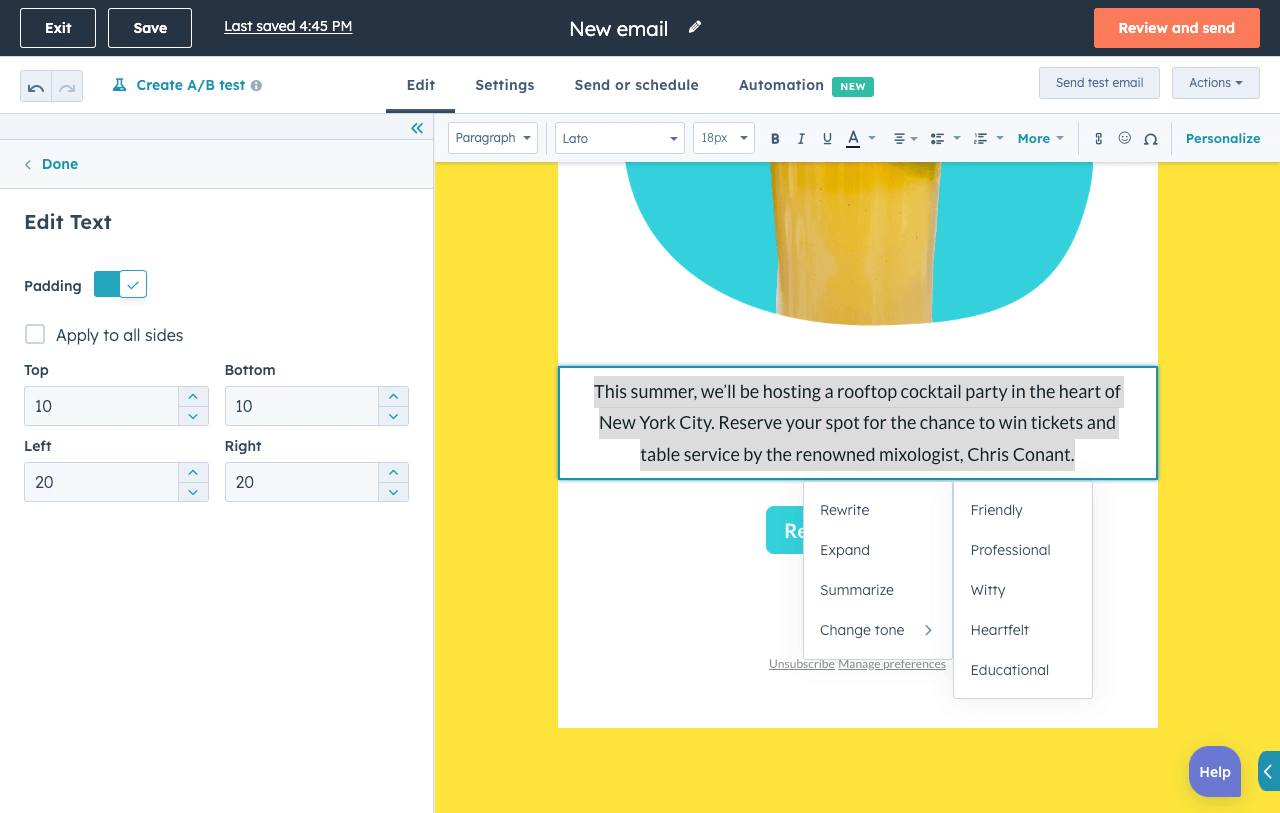
AI empowers marketers to delve deeper into campaign performance, identifying intricate patterns and trends often missed by human analysis. By leveraging machine learning algorithms, AI can uncover valuable insights that optimize future campaigns and maximize return on investment.
This section explores how AI facilitates this process.AI excels at extracting meaningful insights from vast quantities of campaign data, transforming raw numbers into actionable intelligence. This ability to process and interpret complex data allows for a deeper understanding of campaign effectiveness, ultimately leading to more refined strategies and enhanced results.
AI-Driven Trend Identification
Analyzing campaign data often reveals hidden trends and patterns. AI algorithms can sift through large datasets to identify subtle correlations between different marketing activities and campaign outcomes. For example, an AI model might uncover a correlation between specific social media ad copy and higher click-through rates, or between specific demographic targeting and conversion rates. This kind of trend identification is crucial for adapting strategies and optimizing future campaigns.
Predictive Analytics for Future Performance
AI can predict future campaign performance by analyzing historical data. Machine learning models can identify patterns and relationships in past campaign results, allowing for predictions about potential outcomes of future campaigns. This predictive capability is valuable for budgeting, resource allocation, and setting realistic expectations. For instance, if an AI model identifies a strong correlation between the use of video ads and increased website traffic, it can predict a similar increase in traffic for future video campaigns.
AI-Driven Insights into Campaign Effectiveness
AI can provide a comprehensive view of campaign effectiveness, going beyond simple metrics like click-through rates and conversion rates. AI can assess the overall impact of a campaign on brand awareness, customer engagement, and ultimately, sales. For example, an AI analysis might reveal that a particular campaign resulted in a significant increase in brand mentions on social media, demonstrating its effectiveness in building brand visibility.
A/B Testing for Optimization
A/B testing, a crucial element in campaign optimization, is significantly enhanced by AI. AI algorithms can identify optimal variations for A/B tests, focusing on the elements most likely to drive better results. This process streamlines the testing phase, accelerating the identification of high-performing variations. Furthermore, AI can help to identify which specific variables within an A/B test are driving the observed results, leading to even more targeted and refined improvements.
Visualizing Campaign Performance
Visualizations are essential for understanding campaign performance. They transform complex data into easily digestible insights, enabling stakeholders to quickly grasp the key takeaways. Different visualizations cater to different needs.
| Visualization Type | Description | Example |
|---|---|---|
| Line Chart | Tracks key metrics over time, highlighting trends and seasonality. | Shows website traffic growth over a six-month period. |
| Bar Chart | Compares different campaign elements or groups, facilitating quick comparisons. | Compares conversion rates for different ad creatives. |
| Pie Chart | Illustrates the distribution of campaign results across different segments or channels. | Shows the breakdown of website traffic sources. |
| Heatmap | Displays data density or intensity across a matrix, identifying high-performing areas or patterns. | Highlights which specific demographics are most receptive to certain messaging. |
| Scatter Plot | Shows the relationship between two variables, revealing correlations or patterns. | Correlation between ad spend and lead generation. |
Optimizing Campaigns with AI-Driven Insights
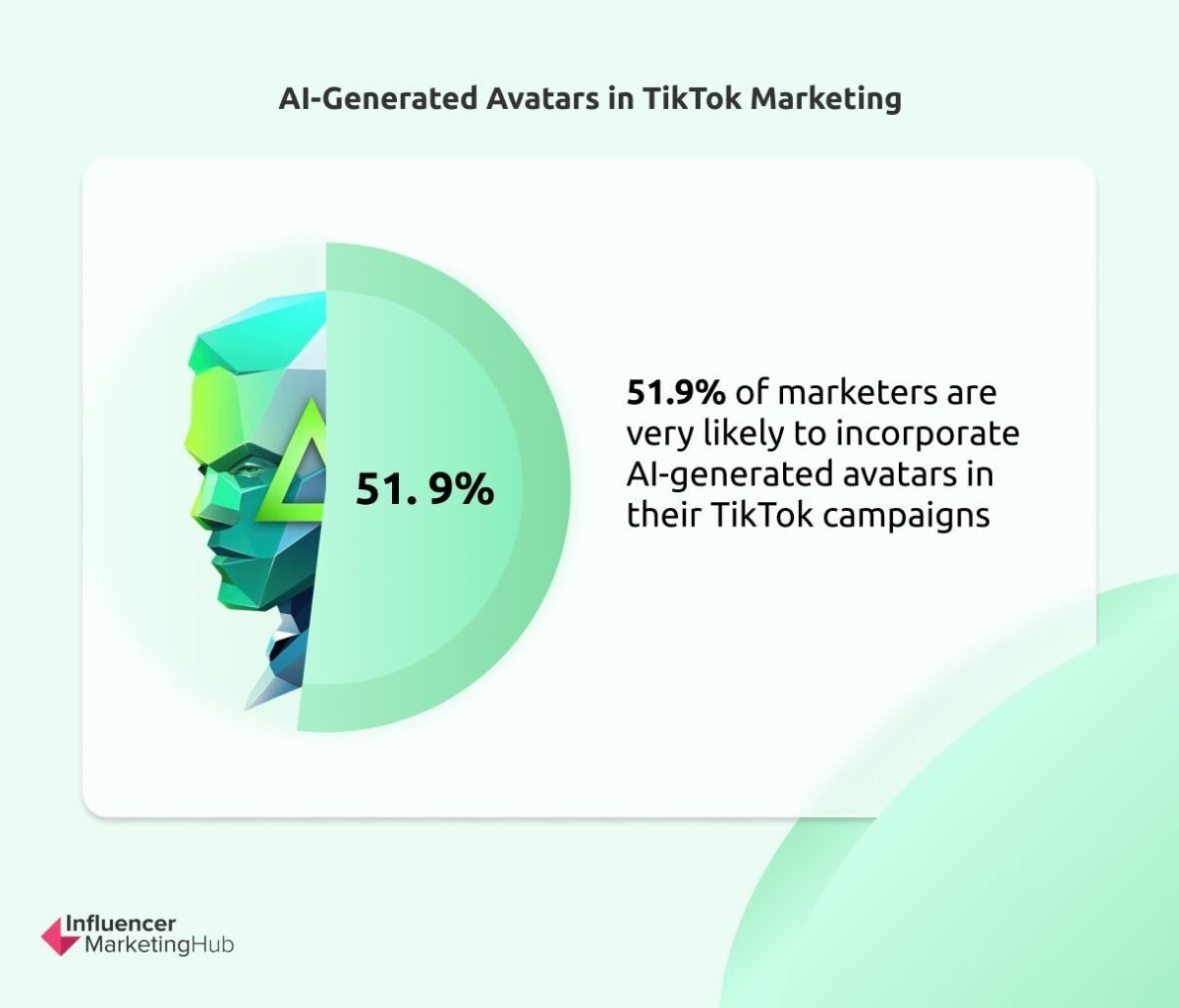
Leveraging AI’s analytical capabilities allows marketers to refine their strategies, personalize customer experiences, and allocate resources effectively. By identifying patterns and trends in campaign data, AI can significantly enhance the performance and ROI of marketing efforts. This process involves not only analyzing past performance but also proactively predicting future outcomes to ensure campaigns are optimized for success.AI-powered optimization goes beyond simply tweaking existing campaigns.
It involves a more sophisticated approach, leveraging predictive modeling and machine learning to identify opportunities for improvement and implement data-driven adjustments in real-time. This proactive strategy is crucial for staying ahead of the curve and maximizing the impact of marketing initiatives.
Strategies for Optimizing Future Campaigns with AI
AI provides a wealth of insights for crafting future campaigns. These insights can inform everything from message tailoring to resource allocation, ensuring maximum impact and ROI. By analyzing historical data and current market trends, AI can help predict campaign performance and identify areas for improvement. For example, analyzing customer behavior patterns can reveal which marketing channels are most effective for specific demographics, enabling targeted resource allocation.
Personalizing Marketing Messages with AI
AI enables sophisticated personalization of marketing messages, creating a more engaging and relevant experience for customers. By segmenting audiences based on demographics, purchase history, and website interactions, AI can tailor messaging to individual needs and preferences. This targeted approach leads to higher engagement rates, conversion rates, and customer satisfaction. For instance, AI can analyze customer purchase data to identify specific products or services a customer is likely to be interested in, enabling personalized recommendations and targeted promotions.
Improving Campaign Targeting and Resource Allocation
AI’s ability to analyze large datasets allows for more precise targeting of campaigns. By identifying key demographics, interests, and behaviors, AI can help optimize ad spend by directing resources to the most receptive audiences. This targeted approach reduces wasted ad spend and improves overall campaign efficiency. For example, AI can analyze website traffic patterns to identify high-value customer segments and prioritize targeting efforts for these segments, leading to more effective conversions.
This detailed analysis ensures that marketing budgets are allocated efficiently to maximize impact.
Case Studies of Successful AI-Driven Marketing Campaign Optimizations
Numerous companies have successfully implemented AI-driven marketing optimization strategies. For example, a retail company used AI to personalize product recommendations, resulting in a 20% increase in average order value. Another company optimized their ad targeting with AI, leading to a 15% reduction in ad spend while maintaining conversion rates. These successes highlight the potential of AI to significantly enhance marketing campaign effectiveness.
These examples demonstrate how AI can be effectively utilized to drive significant improvements in campaign performance.
Table Outlining the Campaign Optimization Process
| Stage | Description |
|---|---|
| Data Collection and Preparation | Gather relevant data from various sources, including CRM, website analytics, and social media. Clean and prepare the data for AI analysis. |
| AI-Driven Analysis | Use AI algorithms to identify patterns, trends, and insights from the collected data. This includes predictive modeling and machine learning to identify future performance trends. |
| Campaign Optimization | Implement AI-generated insights to optimize future campaigns. This includes adjusting targeting, messaging, and resource allocation. |
| Monitoring and Evaluation | Track the performance of optimized campaigns to assess the effectiveness of AI-driven strategies. |
Addressing Potential Challenges
Leveraging AI for marketing campaign analysis offers significant advantages, but it’s crucial to acknowledge potential limitations and pitfalls. Understanding these challenges is vital for effectively mitigating risks and maximizing the benefits of AI-driven insights. Careful consideration of ethical implications and proactive strategies for risk mitigation are essential for responsible implementation.Analyzing marketing campaign performance with AI tools requires a nuanced approach.
Simply plugging data into an AI model doesn’t guarantee accurate or insightful results. A thorough understanding of the limitations of the AI model, potential biases in the data, and the proper interpretation of the output are crucial for informed decision-making.
Limitations of AI in Marketing Analysis
AI models, while powerful, are not infallible. They are trained on data, and if the data is incomplete, biased, or poorly represented, the AI’s analysis will reflect these shortcomings. Furthermore, AI struggles with nuanced human behavior and complex market dynamics that aren’t easily quantifiable. Over-reliance on AI predictions without human judgment can lead to ineffective strategies. AI can be particularly limited in tasks requiring creative problem-solving or understanding the subtleties of brand perception.
Common Pitfalls and Errors to Avoid
Inaccurate data input is a primary pitfall. Ensuring data quality and accuracy is paramount. Inadequate data preparation can lead to skewed results. AI models may not capture the full context of campaigns, such as the impact of external factors or unforeseen events. Over-reliance on AI-generated recommendations without considering the human element can lead to poor decision-making.
A failure to understand the limitations of the AI model and its potential biases is another significant error.
Steps for Mitigating Risks
Implementing robust data quality checks is crucial. Ensure data accuracy and completeness before feeding it to the AI model. A multi-faceted approach to campaign analysis, combining AI insights with human expertise, is recommended. Regularly evaluate the AI model’s performance and adapt strategies as needed. Regularly validate AI predictions with real-world data.
Consider incorporating human feedback loops to refine AI-generated insights.
Ethical Considerations in AI-Driven Marketing Analysis
Ethical considerations are crucial. AI models can perpetuate existing biases if the training data reflects them. Maintaining transparency in the AI’s decision-making process is essential for building trust and accountability. Respecting user privacy and adhering to data protection regulations is mandatory. The responsible use of AI to avoid discriminatory practices or manipulating consumer behavior must be prioritized.
AI should be used to enhance human capabilities, not replace them.
Summary of Potential Challenges and Solutions
| Potential Challenge | Solution |
|---|---|
| Inaccurate or incomplete data | Implement robust data quality checks, ensure data accuracy and completeness, use data validation methods |
| AI model limitations | Employ a multi-faceted approach combining AI insights with human expertise, validate AI predictions, incorporate human feedback |
| Over-reliance on AI | Combine AI insights with human judgment, carefully evaluate model performance, adapt strategies as needed |
| Data bias | Ensure data diversity and representativeness, monitor and address biases in training data, develop strategies to mitigate bias in output |
| Ethical concerns (privacy, discrimination) | Adhere to data protection regulations, prioritize responsible use of AI, ensure transparency and accountability in AI’s decision-making process |
Future Trends in AI-Powered Marketing Analysis
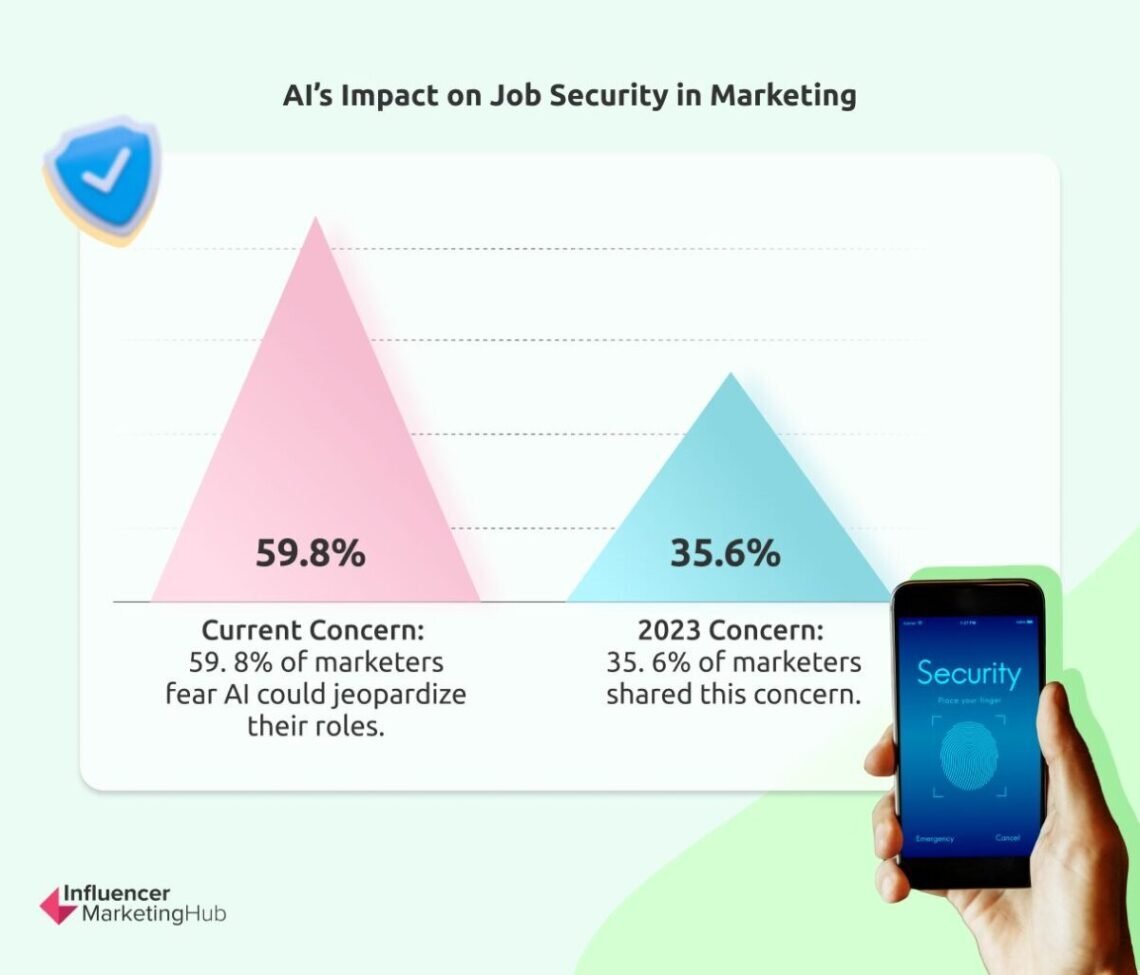
The landscape of marketing is rapidly evolving, driven by advancements in artificial intelligence. AI is no longer a futuristic concept but a powerful tool reshaping how businesses understand and interact with their customers. This evolution promises a future where marketing campaigns are more effective, personalized, and predictive. The future trends in AI-powered marketing analysis encompass a range of exciting developments, from the emergence of new technologies to the automation of complex tasks.AI is progressively transforming marketing analysis by enabling businesses to delve deeper into customer data, identify patterns, and anticipate future behavior.
This empowers companies to create more targeted and effective campaigns, leading to higher conversion rates and improved ROI. The ongoing development of sophisticated AI algorithms will further enhance these capabilities, enabling marketers to understand their audiences with unparalleled accuracy.
Emerging Technologies and Their Impact
Machine learning (ML) algorithms are constantly improving, enabling more accurate predictions and insights. Deep learning (DL) models, a subset of ML, are capable of processing vast amounts of data, uncovering complex patterns, and identifying subtle correlations that might be missed by traditional methods. Natural Language Processing (NLP) allows AI to understand and interpret human language, opening doors to analyze customer feedback and sentiment more effectively.
This combination of technologies creates a powerful toolkit for analyzing marketing campaign performance and predicting future trends. AI-powered sentiment analysis tools are becoming increasingly sophisticated, helping businesses understand public perception of their brand and products.
Personalized and Targeted Campaigns
AI algorithms can now analyze vast amounts of customer data to create highly personalized experiences. This involves tailoring marketing messages, product recommendations, and offers based on individual customer preferences and behavior. For example, an e-commerce platform can recommend products to a customer based on their browsing history, past purchases, and even social media activity. By understanding individual customer needs and preferences, businesses can optimize their marketing strategies and achieve greater customer engagement.
Predicting Future Customer Behavior
AI algorithms can analyze historical data to identify patterns and predict future customer behavior. This enables businesses to anticipate customer needs and preferences, proactively offer relevant products or services, and optimize marketing campaigns for maximum impact. For instance, an online retailer might use AI to predict which customers are likely to churn and proactively offer incentives to retain them.
The accuracy of these predictions is constantly improving, leading to more effective customer retention strategies.
Automation of Marketing Tasks
AI is automating many time-consuming marketing tasks, freeing up human marketers to focus on more strategic initiatives. This includes tasks such as content creation, social media management, email marketing, and campaign optimization. Chatbots are increasingly being used to automate customer service interactions, provide instant support, and gather valuable customer feedback. This automation not only saves time and resources but also improves efficiency and customer satisfaction.
Future Trends Table
| Trend | Description | Impact |
|---|---|---|
| Advanced Machine Learning | Improved predictive capabilities, uncovering complex patterns in data. | More accurate forecasting of customer behavior, leading to personalized marketing campaigns. |
| Deep Learning | Processing vast amounts of data to identify subtle correlations and improve campaign performance. | Enhanced understanding of customer preferences, enabling highly targeted messaging. |
| Natural Language Processing | Understanding and interpreting human language to analyze customer feedback and sentiment. | More effective brand monitoring and improved customer experience through sentiment analysis. |
| Personalized Marketing | Tailoring marketing messages, product recommendations, and offers based on individual customer preferences. | Increased customer engagement, higher conversion rates, and improved ROI. |
| Predictive Analytics | Anticipating customer needs and preferences to proactively offer relevant products and services. | Improved customer retention, optimized marketing campaigns, and increased customer lifetime value. |
| Marketing Automation | Automating tasks such as content creation, social media management, and campaign optimization. | Increased efficiency, reduced costs, and enhanced focus on strategic initiatives. |
Last Recap
In conclusion, this guide has illuminated the transformative potential of AI in marketing campaign analysis. By mastering the methods Artikeld, you can effectively leverage AI tools to gain valuable insights, optimize your campaigns, and achieve superior results. We’ve explored the entire process, from initial data collection to future trends, equipping you with the knowledge to harness the power of AI and stay ahead in the competitive landscape.