Harnessing the power of artificial intelligence to analyze customer feedback is no longer a futuristic concept but a critical business strategy. This comprehensive guide delves into the multifaceted process, from collecting diverse feedback sources to implementing actionable strategies based on AI-driven insights. By understanding the nuances of customer sentiment, companies can gain valuable insights into customer preferences and pain points, ultimately leading to improved products, services, and customer experiences.
This guide will explore various methods for gathering feedback, from surveys and social media monitoring to support tickets. We’ll examine how to prepare this data for effective AI analysis, including pre-processing techniques and data formatting. Crucially, we’ll also address ethical considerations and the importance of human oversight in ensuring responsible AI implementation.
Gathering Customer Feedback
Understanding customer perspectives is crucial for businesses aiming to improve products and services. Gathering feedback allows companies to identify areas for enhancement, personalize experiences, and ultimately foster customer loyalty. This process often involves a variety of methods, from structured surveys to casual social media interactions.A comprehensive approach to feedback collection enables businesses to gain a holistic view of customer sentiment and preferences.
This understanding can be leveraged to refine marketing strategies, optimize product development, and enhance customer service operations, leading to significant improvements in overall business performance.
Methods for Collecting Feedback
Collecting feedback effectively involves employing various methods to capture a diverse range of perspectives. This section Artikels common strategies, including surveys, reviews, social media monitoring, and support tickets.
- Surveys: Surveys provide structured data on customer opinions and preferences. They can be designed to collect specific information on various aspects of a product or service. Different question types are used to elicit detailed responses.
- Reviews: Online reviews, both positive and negative, offer valuable insights into customer experiences. Analyzing these reviews reveals recurring themes and common issues, highlighting areas for improvement.
- Social Media Monitoring: Monitoring social media channels allows businesses to track mentions of their brand, products, or services. This real-time feedback provides a glimpse into current customer sentiments and emerging trends.
- Support Tickets: Customer support interactions, documented as tickets, offer valuable information about specific issues and customer frustrations. Analyzing these tickets can pinpoint recurrent problems and guide service improvements.
Survey Question Types
The type of survey question significantly impacts the quality and depth of the collected feedback. Different question types suit different needs.
- Open-ended Questions: These questions allow customers to express their thoughts and feelings in their own words. This qualitative data provides rich context and understanding of customer motivations. Example: “What could we do to improve your overall experience?”
- Multiple Choice Questions: These questions provide a structured way to collect specific data on preferences and opinions. For example, “On a scale of 1 to 5, how satisfied are you with our product’s performance?” The use of multiple choice questions can be further refined by adding a “Other” option to capture unanticipated responses.
- Rating Scales: These questions measure customer satisfaction, quality, and other subjective factors. Rating scales, such as Likert scales (strongly agree to strongly disagree), provide numerical data for analysis and comparison. For instance, “How likely are you to recommend our product to a friend?”
Automated Feedback Capture
A streamlined system for capturing feedback from various touchpoints is essential. This ensures data consistency and allows for comprehensive analysis.
- Integration with platforms: Integrating feedback collection tools with existing platforms, such as e-commerce websites, customer relationship management (CRM) systems, and social media accounts, ensures a seamless flow of data. This enables the automatic capture of feedback from various touchpoints.
- Real-time feedback: Implementing a system for real-time feedback capture enables immediate identification of potential issues and quick responses to address customer concerns.
Encouraging Feedback
Encouraging customers to provide feedback is a crucial step in the process. Offering incentives, demonstrating a willingness to act on feedback, and making the process easy can significantly improve response rates.
- Incentives: Offering small incentives, such as discounts or exclusive content, can motivate customers to participate in feedback surveys.
- Feedback culture: Creating a feedback culture within the organization demonstrates a commitment to customer satisfaction. This shows that customer input is valued and appreciated.
- Easy access: Providing multiple and easy-to-access channels for feedback ensures customers can provide input when convenient. This approach facilitates efficient data collection.
Feedback Data Storage
A structured format for storing collected feedback data is essential for effective AI processing. This format should be compatible with various AI tools and algorithms.
- Database format: Using a database to store collected feedback data in a structured format allows for efficient retrieval and analysis. Specific fields for each data point, including date, time, and source, enable meaningful analysis.
- Data standardization: Standardizing the data format ensures consistency across different feedback sources, enabling AI tools to process the data effectively.
Preparing Feedback for AI Analysis
Preparing customer feedback for AI analysis is crucial for accurate and insightful results. This stage involves transforming raw feedback into a structured format that AI models can effectively understand and process. This meticulous pre-processing ensures that the AI accurately interprets the sentiment, intent, and key information contained within the feedback. Thorough data preparation minimizes errors and maximizes the value derived from AI analysis.Effective AI analysis relies on high-quality data.
Pre-processing steps like data cleaning, formatting, and classification are essential to ensure the AI model can extract meaningful insights. This process involves removing irrelevant information, handling variations in language, and categorizing feedback into meaningful groups, such as positive, negative, or neutral. Proper formatting and translation are equally critical to ensure consistency and accuracy in the analysis.
Data Cleaning and Formatting
Data cleaning and formatting are fundamental steps in preparing feedback data for AI analysis. This process involves removing irrelevant characters, symbols, or extraneous data from the feedback, which can skew AI model results. Consistent formatting, such as standardizing dates or converting all text to lowercase, ensures that the model can process data reliably. For example, inconsistent date formats (“12/25/2024,” “December 25, 2024”) could cause issues in analyzing trends over time.
Standardizing the format to “2024-12-25” enables accurate analysis.
Handling Language Variations
Customer feedback often comes in various languages and styles. AI models need consistent input to accurately analyze the feedback. Addressing these variations through pre-processing is essential for accurate analysis. For instance, slang, colloquialisms, and grammatical errors in customer feedback might confuse the AI model. Standardizing language using spell checking and grammatical correction tools can improve accuracy.
This step also includes handling language-specific nuances in sentiment analysis. For example, a phrase like “This is awful” in English might translate to a different, less intense phrase in another language.
Identifying and Classifying Feedback Types
Classifying feedback into categories (positive, negative, neutral) is vital for effective analysis. This allows businesses to understand customer sentiment more effectively. A system for identifying and classifying these categories is essential for accurate analysis. For example, a customer feedback like “The product is excellent and I highly recommend it” can be classified as positive. Conversely, “The product was very disappointing, and the service was slow” can be classified as negative.
Developing a clear set of criteria and training the system on labeled examples can significantly improve accuracy.
Translating Feedback
Translating customer feedback into different languages is crucial for businesses operating globally. This enables companies to analyze feedback from customers in different parts of the world. Various translation tools and APIs are available to translate feedback into different languages. Ensuring accuracy in translation is essential for proper sentiment analysis and appropriate responses. For example, a negative comment in Spanish might have a different meaning if translated incorrectly into English.
Organizing Data Formats
Organizing feedback data in structured formats like CSV (Comma Separated Values) or JSON (JavaScript Object Notation) is crucial for feeding the data into AI models. The format should be consistent and readily interpretable by the AI model. For example, a CSV file can store customer feedback, their sentiment, and the date. JSON allows for more complex structures, enabling storage of additional information like product details and location.
Consistent formatting ensures the AI model can process the data efficiently and accurately. Using a consistent format like JSON for different languages will improve the model’s ability to analyze the data effectively.
Choosing the Right AI Tools
Selecting appropriate AI tools for customer feedback analysis is crucial for actionable insights. A well-chosen tool can transform raw feedback into valuable data, enabling businesses to identify trends, understand customer needs, and optimize products and services. Conversely, an unsuitable tool can lead to wasted resources and inaccurate interpretations. This section will delve into various AI tools, their capabilities, and evaluation criteria, while also highlighting potential limitations and considerations for handling large datasets.
Comparison of AI Tools for Customer Feedback Analysis
Different AI tools offer varying capabilities for analyzing customer feedback. Choosing the right tool depends on the specific needs and goals of the business. Sentiment analysis tools identify the emotional tone of customer feedback, while topic modeling tools group similar topics together. Text summarization tools condense lengthy feedback into concise summaries.
- Sentiment Analysis Tools: These tools analyze the emotional tone of customer feedback, categorizing it as positive, negative, or neutral. Examples include tools from Google Cloud, Amazon Comprehend, and IBM Watson. These tools are valuable for understanding overall customer sentiment towards a product, service, or company. For instance, a high volume of negative sentiment regarding a specific feature could indicate a need for improvement.
- Topic Modeling Tools: These tools group similar topics from customer feedback into clusters. Tools like Latent Dirichlet Allocation (LDA) and Non-negative Matrix Factorization (NMF) are often employed for this purpose. Identifying prevalent themes allows businesses to understand the key concerns and suggestions from customers. For example, a high concentration of feedback related to delivery times could indicate a potential operational issue.
- Text Summarization Tools: These tools condense large volumes of customer feedback into concise summaries. This is helpful for quickly understanding the overall sentiment and key topics without reading every piece of feedback individually. Some NLP libraries and APIs offer text summarization capabilities. By distilling long customer reviews, businesses can more efficiently prioritize and address crucial issues.
Key Features and Capabilities of AI Tools
The effectiveness of AI tools for customer feedback analysis relies heavily on their key features and capabilities. Crucial aspects to consider include the accuracy of sentiment analysis, the comprehensiveness of topic modeling, and the conciseness of text summarization. Different tools may excel in different areas, so it’s essential to assess the specific capabilities of each tool.
- Accuracy of Sentiment Analysis: The ability to accurately classify customer feedback as positive, negative, or neutral is crucial. High accuracy is vital for reliable insights. Tools like those from Google Cloud or Amazon often employ advanced machine learning models for more accurate analysis.
- Comprehensiveness of Topic Modeling: The ability to identify and categorize a wide range of topics is essential for a thorough understanding of customer feedback. Tools using more sophisticated algorithms often provide a more comprehensive analysis.
- Conciseness of Text Summarization: The tool should provide concise summaries that retain the essential information from lengthy customer feedback. Effective summarization saves time and improves efficiency in analyzing large volumes of data.
Criteria for Evaluating AI Tools
When evaluating AI tools, businesses should consider several criteria. Factors such as scalability, cost, integration capabilities, and ease of use are critical.
- Scalability: The ability to handle large volumes of customer feedback is essential. The tool should be able to process large datasets efficiently without significant performance degradation. Cloud-based tools often offer superior scalability.
- Cost: The cost of the tool, including licensing fees and maintenance, must be considered in relation to the expected return on investment. Subscription-based models are frequently used.
- Integration Capabilities: The tool should seamlessly integrate with existing business systems and data pipelines. APIs are often used for this purpose.
- Ease of Use: The tool should be user-friendly, allowing for easy setup, analysis, and interpretation of results. Intuitive interfaces contribute to a positive user experience.
Potential Limitations of AI Tools
AI tools for customer feedback analysis are not without limitations. Issues with handling nuanced language, biases in training data, and the potential for misinterpretations should be acknowledged.
- Handling Nuance in Language: AI tools might struggle to interpret complex or nuanced language. Sarcasm, irony, or cultural context can sometimes be challenging to detect accurately.
- Biases in Training Data: The accuracy of AI tools can be influenced by the biases present in the training data. This can lead to skewed results if the training data does not accurately reflect the target audience.
- Potential for Misinterpretations: Although AI tools are designed to interpret customer feedback, misinterpretations can occur, especially in the context of complex or emotionally charged statements. Human review and verification are often necessary to ensure accuracy.
AI Tools for Large Datasets
For handling large volumes of customer feedback, specific AI tools are preferable. These tools are usually designed with scalability in mind, often using cloud-based architectures.
- Cloud-based platforms: Cloud-based AI tools offer scalable processing capabilities, making them ideal for managing substantial customer feedback datasets. Tools from major cloud providers like Amazon Web Services (AWS), Google Cloud Platform (GCP), and Microsoft Azure are excellent examples.
Analyzing Feedback with AI
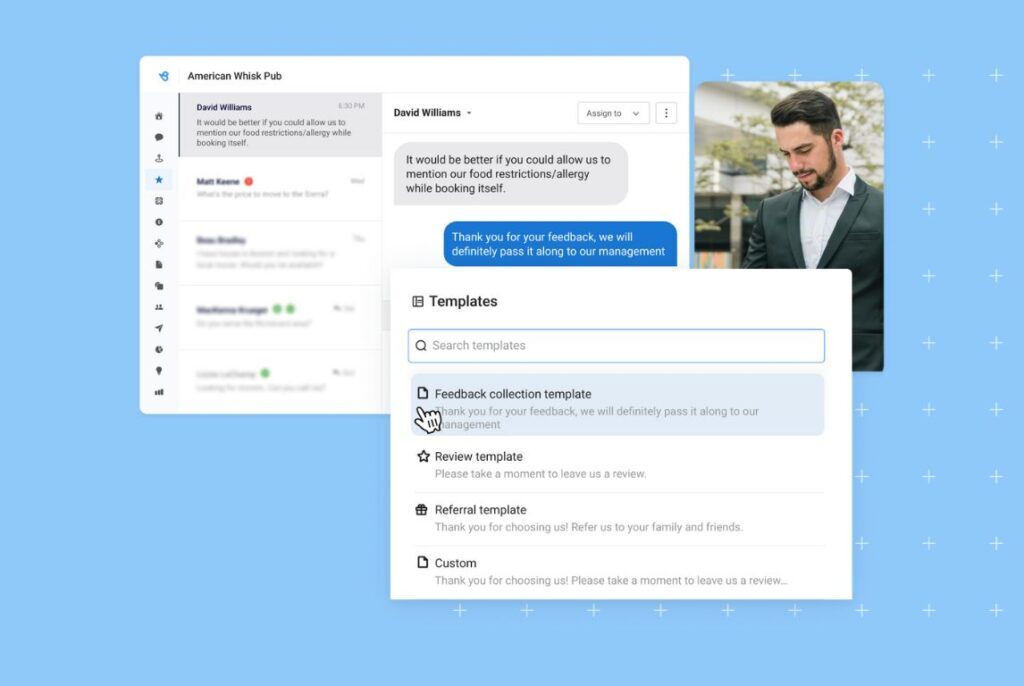
Leveraging Artificial Intelligence (AI) to analyze customer feedback is crucial for businesses seeking to understand and respond effectively to their customer base. AI tools can process vast amounts of data, identify trends, and provide actionable insights, ultimately leading to enhanced customer satisfaction and improved business performance. This section will detail how to utilize AI for insightful analysis of customer feedback.AI algorithms excel at recognizing patterns and extracting valuable information from complex datasets.
By automating the process of sifting through customer feedback, AI frees up human analysts to focus on more strategic tasks. This allows for a more comprehensive and timely response to customer needs and concerns.
Identifying Trends and Patterns
AI algorithms are adept at identifying recurring themes and patterns in customer feedback. This capability allows businesses to uncover key trends, such as specific product features that are frequently praised or criticized, or recurring issues related to a particular service. These insights can guide strategic decision-making and inform product development or service improvement initiatives.
Summarizing Feedback Data
AI can effectively summarize extensive customer feedback data into concise and actionable insights. This involves categorizing and grouping similar feedback items and then generating summaries that highlight the most frequent themes or complaints. For example, an AI tool might identify that 70% of customer feedback related to a specific product feature concerns its usability. This condensed summary can then be used to focus improvement efforts on this particular area.
Prioritizing Customer Issues
AI can prioritize customer issues and concerns based on factors such as the frequency of the issue, the severity of the impact on the customer, and the potential for negative brand perception. This allows businesses to address critical issues promptly and efficiently, thereby maintaining customer satisfaction and brand loyalty.
Identifying Areas for Improvement
AI analysis of customer feedback can highlight areas where products or services could be improved. For instance, if a large volume of feedback criticizes the checkout process, the AI tool can pinpoint the specific steps that are causing frustration, such as lengthy loading times or confusing navigation. This facilitates targeted improvements to the customer experience.
Discovering Hidden Needs and Preferences
Beyond identifying explicit issues, AI can uncover hidden needs and preferences through pattern recognition in customer feedback. For example, although customers might not explicitly state a need for a particular feature, the AI can identify recurring requests or suggestions for improvement that hint at an underlying desire. This proactive approach to identifying latent needs allows businesses to anticipate future customer demands and proactively develop solutions.
Implementing AI-Driven Actions
Transforming customer feedback into tangible improvements requires a structured approach. AI analysis provides valuable insights, but translating these insights into impactful actions is crucial. This section Artikels the steps to effectively implement AI-driven changes, ensuring a positive impact on customer satisfaction and business outcomes.AI-derived insights must be translated into actionable plans and communicated effectively to drive improvements. The framework for implementation should be clear and measurable, enabling the evaluation of its effectiveness.
Creating Actionable Plans
Effective implementation begins with translating AI-analyzed feedback into concrete, actionable plans. This involves identifying key themes and patterns within the feedback data, focusing on areas needing improvement. These plans must be specific, measurable, achievable, relevant, and time-bound (SMART).
- Define specific areas for improvement based on the identified themes. For instance, if customer feedback consistently highlights slow response times, a specific action plan could be created to streamline the support process.
- Establish clear, measurable goals. Quantifiable metrics, such as reduced response times or increased customer satisfaction scores, are essential to track progress.
- Artikel realistic steps to achieve the goals. This may involve training staff, implementing new technologies, or restructuring processes.
- Establish clear deadlines for each step to ensure accountability and timely completion.
Communicating Insights to Stakeholders
Effective communication is essential to ensure buy-in and support for implementing changes based on AI-analyzed feedback. Clear and concise communication helps stakeholders understand the significance of the insights and the proposed actions.
- Present the findings in a user-friendly format, avoiding technical jargon. Visual aids, such as charts and graphs, can effectively communicate complex data.
- Highlight the potential impact of implementing changes on key business metrics, such as customer retention and revenue growth.
- Clearly articulate the proposed actions, outlining the rationale behind each decision. Providing supporting data from the AI analysis will strengthen the case.
- Schedule regular meetings with stakeholders to discuss progress, address concerns, and make necessary adjustments.
Measuring the Impact of Changes
Tracking the impact of implemented changes is critical for demonstrating ROI and informing future improvements. Establish key performance indicators (KPIs) to measure the effectiveness of the changes.
- Define pre-implementation and post-implementation metrics, such as customer satisfaction scores (CSAT), net promoter scores (NPS), and customer churn rates.
- Monitor these metrics regularly to track the progress and effectiveness of the implemented changes. Tracking changes over time provides a more accurate assessment of the results.
- Analyze the data to identify areas where the changes are working well and areas where adjustments are needed.
- Create a dashboard to visualize the data and trends, facilitating easier monitoring and analysis.
Tracking Customer Satisfaction
Tracking customer satisfaction metrics post-implementation is crucial to gauge the success of the changes. Establish a system for ongoing monitoring and evaluation.
- Implement surveys or feedback mechanisms to gather continuous customer input.
- Analyze the collected data regularly to identify any emerging trends or issues.
- Use the data to refine the implementation process and ensure continued improvement in customer satisfaction.
- Regularly review the feedback mechanisms to maintain their effectiveness and relevance.
Iterating on the Process
The process of analyzing customer feedback and implementing changes is iterative. Continuous improvement is crucial for staying ahead of customer needs and expectations.
- Establish a feedback loop to incorporate ongoing customer feedback into the analysis and improvement process.
- Regularly review the AI analysis process to ensure its accuracy and relevance.
- Refine the data collection methods and analysis techniques based on experience and insights.
- Continuously evaluate the effectiveness of the implemented changes and adjust strategies accordingly.
Illustrative Examples
AI-powered analysis of customer feedback offers a powerful means to understand customer needs and preferences, enabling businesses to tailor products and services accordingly. Real-world case studies demonstrate significant improvements in customer satisfaction and business performance through this strategic approach. This section will provide detailed examples of successful implementations, showcasing the diverse applications of AI in various industries.
Successful Implementations in Retail
Retailers are leveraging AI to gain a deeper understanding of customer sentiment expressed through online reviews, social media posts, and in-store interactions. Analyzing this feedback allows retailers to identify trends, address pain points, and optimize their offerings.
- A large online clothing retailer utilized AI to analyze customer reviews on product fit and style. The analysis revealed a recurring issue with sizing discrepancies across different product lines. By addressing this issue, the retailer improved customer satisfaction by 15% and reduced returns by 10%. This example highlights how AI can pinpoint specific pain points and facilitate targeted improvements.
- A major electronics retailer used AI to analyze customer feedback on in-store experiences. The analysis indicated long wait times at the customer service desk. Implementing a new queue management system, informed by the AI insights, reduced wait times by 20% and improved customer satisfaction scores by 12%. This example showcases how AI can drive operational efficiency improvements.
Personalized Customer Experiences with AI
AI can be used to personalize customer experiences by identifying individual preferences and tailoring interactions accordingly. This can be achieved by analyzing a variety of customer data, including past purchases, browsing history, and feedback.
- A travel agency used AI to analyze customer feedback from past trips and identified a recurring theme of customers seeking personalized recommendations for local activities. The AI then built a system that provides customized recommendations based on the customer’s past travel history and preferences, increasing customer engagement by 15%.
- An online bookstore implemented an AI-powered recommendation engine that analyzed customer feedback on book reviews and past purchases. This engine provided personalized book suggestions based on each customer’s unique reading preferences. The result was a 20% increase in average order value and a 10% increase in customer retention.
AI Model Applications in Different Industries
Different AI models are suited for different types of customer feedback data. Natural Language Processing (NLP) models are particularly useful for analyzing text-based feedback, while machine learning (ML) models can identify patterns and trends in numerical data.
| Industry | AI Model | Application |
|---|---|---|
| Healthcare | NLP | Analyzing patient reviews and feedback on doctor consultations to identify areas for improvement in communication and service quality. |
| Finance | ML | Analyzing customer feedback on transaction processes to identify potential fraud or system errors and improve security measures. |
| Hospitality | NLP | Analyzing customer feedback on hotel amenities and services to pinpoint areas needing attention and improve customer experience. |
Real-World Applications in Customer Support
AI can be used to automate customer support tasks and improve response times. This automation allows human agents to focus on more complex issues, ultimately leading to improved customer satisfaction.
“AI-powered chatbots can quickly address common customer queries, freeing up human agents to handle more complex situations.”
- A major telecommunications company utilized AI-powered chatbots to handle routine customer inquiries about billing and account management. This resulted in a 30% reduction in support ticket volume and a 15% improvement in customer satisfaction ratings.
Ensuring Ethical Considerations

AI-powered customer feedback analysis offers significant benefits, but careful consideration of ethical implications is crucial. Implementing such tools responsibly requires a commitment to maintaining customer privacy, avoiding bias, and ensuring human oversight. A proactive approach to these concerns builds trust and safeguards the integrity of the analysis process.Ethical considerations in using AI for customer feedback analysis extend beyond simple data protection.
They encompass the potential for bias in the algorithms, the impact on customer privacy, and the necessity of human oversight to mitigate risks. These concerns demand careful attention to detail and a commitment to transparent and accountable practices.
Maintaining Customer Privacy and Data Security
Protecting customer privacy is paramount when utilizing AI for feedback analysis. Data security protocols must be robust and regularly audited to safeguard sensitive information. This includes anonymizing data whenever possible, encrypting sensitive data in transit and at rest, and implementing access controls to restrict data access to authorized personnel only. Strong data governance policies are essential to ensure compliance with relevant regulations such as GDPR and CCPA.
Furthermore, transparent data usage policies should be communicated clearly to customers, outlining how their feedback will be used and how their privacy is protected.
Avoiding Bias in AI-Driven Analysis
Bias in AI algorithms can lead to skewed insights and unfair treatment of certain customer segments. To mitigate this risk, it’s essential to carefully curate and prepare the data for analysis. The data used to train the AI model should be diverse and representative of the target customer base. Regular audits and testing of the AI model are crucial to identify and address potential biases.
Ongoing monitoring of the AI’s output is essential to detect and rectify any emerging biases in real-time. For example, if the AI consistently misinterprets feedback from a specific demographic group, corrective actions must be taken to adjust the training data or algorithm parameters.
Human Oversight in AI-Driven Feedback Analysis
Human oversight is essential to complement AI analysis. AI excels at identifying patterns and trends, but human judgment is necessary to interpret the nuances of customer feedback. Human analysts should review the AI’s findings to ensure accuracy and context, especially when dealing with sensitive or complex issues. This process allows for the identification of subtle trends or exceptional cases that might be missed by the AI.
Human oversight also allows for the incorporation of subjective factors, like the emotional tone of the feedback, which can be challenging for AI to interpret accurately.
Addressing Potential Biases or Errors in AI Analysis
A framework for addressing potential biases or errors in AI analysis should be established. This framework should include procedures for identifying and validating the AI’s output, mechanisms for human review and intervention, and protocols for rectifying identified errors. A clear escalation path should be defined for handling discrepancies or significant issues detected by human reviewers. This framework ensures that the AI-driven analysis is accurate, fair, and reliable, promoting the development of effective strategies for improvement and resolution.
The framework should also include a feedback loop for ongoing refinement of the AI model based on human insights and corrections. For example, if the AI consistently misinterprets feedback from a particular customer segment, the framework should guide the team to adjust the model’s training data or algorithm parameters, based on the human feedback.
Displaying Insights Visually
Presenting customer feedback insights in a visually compelling manner is crucial for effective action. Visualizations allow for rapid comprehension of trends, patterns, and overall sentiment, empowering businesses to respond swiftly and strategically. Clear and engaging visuals facilitate better decision-making based on data-driven insights.Visual representations of data, particularly feedback, transform complex information into easily digestible summaries. This allows stakeholders across the organization, from executives to frontline teams, to quickly grasp the essence of customer sentiment and preferences.
Organizing Feedback Data in a Visual Table
A well-structured table summarizing key findings provides a concise overview of customer feedback. This format is particularly effective for highlighting the most important aspects of the data. A table can present specific metrics, such as the number of positive, negative, and neutral comments, along with the percentage breakdown for each category. It can also display the frequency of feedback regarding particular products, services, or aspects of the customer journey.
For example, a table could show the number of complaints about shipping delays, grouped by product category.
Visualizing Sentiment Trends Over Time
Visualizing sentiment trends over time provides a dynamic perspective on how customer opinions evolve. Line graphs or area charts are ideal for tracking changes in sentiment, enabling businesses to spot shifts in customer preferences or identify emerging issues. For instance, a line graph plotting the average customer sentiment score across different months would illustrate seasonal trends or shifts in public opinion about a specific product feature.
Representing Feedback Distribution Across Categories
A clear visual representation of the distribution of customer feedback across different categories offers valuable insight into customer priorities. Pie charts, bar charts, or stacked bar charts can effectively illustrate the percentage of feedback associated with specific product features, service aspects, or customer touchpoints. For example, a pie chart showing the proportion of customer feedback regarding product usability, customer service, and website navigation would help prioritize areas for improvement.
Designing a Dashboard for AI-Generated Insights
A dedicated dashboard provides a centralized hub for displaying AI-generated insights. This interactive platform can display key metrics, trends, and visualizations in real-time. For example, a dashboard could present a summary of overall customer sentiment, alongside a breakdown of feedback related to specific product features or customer service interactions. It should include interactive elements allowing users to drill down into specific data points for more detailed analysis.
Examples of Effective Graphs and Charts
Various types of graphs and charts can effectively communicate AI-analyzed insights. A line graph can illustrate the fluctuation of customer satisfaction scores over time, revealing trends or patterns. A bar chart can compare the frequency of positive and negative feedback across different product categories. A scatter plot could showcase the relationship between customer demographics and feedback sentiment.
These examples are only a few possibilities, and the most effective choice depends on the specific data and insights to be conveyed.
Final Conclusion

In conclusion, analyzing customer feedback with AI offers a powerful pathway to enhance customer satisfaction and drive business growth. By meticulously following the steps Artikeld in this guide, businesses can leverage AI to identify trends, prioritize issues, and implement targeted improvements. The key takeaway is that a strategic and well-executed AI-driven feedback analysis process can significantly contribute to a more customer-centric approach, leading to greater loyalty and profitability.