Crafting compelling social media captions is crucial for driving engagement and achieving your marketing goals. This guide delves into the art of creating engaging captions, leveraging the power of AI tools, and optimizing your approach for diverse social media platforms. We’ll explore how to understand your audience, craft captivating content, and measure the results of your efforts.
From understanding the nuances of different social media platforms to utilizing AI tools effectively, this comprehensive guide provides practical strategies and real-world examples. You’ll learn to tailor your captions to each platform’s specific characteristics, ensuring maximum impact and achieving your desired engagement levels.
Understanding Audience Engagement

Understanding your audience is crucial for crafting effective social media campaigns. It’s not enough to simply post content; you need to tailor your messaging and approach to resonate with the specific individuals you’re trying to reach. This involves recognizing the nuances of each platform’s user base and adjusting your strategy accordingly. By understanding your audience’s preferences, interests, and needs, you can create engaging content that drives meaningful interactions and achieves your desired outcomes.Effective engagement goes beyond superficial likes and comments.
It encompasses a deeper understanding of what motivates your audience, what they value, and how they interact with your brand. This involves active listening, consistent analysis, and a willingness to adapt your strategy based on the insights you gather. By focusing on meaningful engagement, you can foster stronger relationships with your audience and build a loyal community around your brand.
Characteristics of Different Social Media Platforms’ Audiences
Different social media platforms attract different types of users. Understanding these distinctions is key to crafting content that resonates with each specific audience. For instance, platforms like Instagram and TikTok tend to attract younger demographics, often focused on visual content and trends. Conversely, LinkedIn typically attracts a more professional and business-oriented audience, interested in industry news, career development, and thought leadership.
Facebook, while having a broad reach, often attracts a diverse audience with varying interests. Twitter, known for its real-time updates, caters to a highly engaged and information-seeking audience. Understanding these demographic differences allows you to create content that aligns with the expectations and interests of each platform’s unique user base.
Examples of Successful Social Media Campaigns Targeting Specific Demographics
Successful campaigns often highlight a deep understanding of the target audience. For example, a campaign by a sportswear brand targeting young athletes on Instagram might showcase user-generated content of athletes using their products, highlighting the brand’s commitment to performance and community. On the other hand, a financial institution targeting a professional audience on LinkedIn might create engaging articles and videos on financial literacy and investment strategies.
A successful campaign is not simply about reaching a large number of people, but about connecting with a specific demographic in a way that resonates with their interests and values.
Importance of Understanding Audience Preferences and Interests
Understanding audience preferences and interests allows you to tailor content to resonate with them on a deeper level. By recognizing their interests, you can craft compelling narratives, relevant information, and engaging visuals that capture their attention and drive meaningful interactions. This knowledge empowers you to create content that feels authentic and valuable to your audience, fostering a sense of connection and loyalty.
Strategies for Identifying and Analyzing Your Target Audience’s Needs
Identifying and analyzing your target audience’s needs involves several key strategies. Conducting surveys and polls to directly gather feedback from your audience is a powerful method. Analyzing engagement metrics like likes, shares, comments, and click-through rates provides valuable insights into what content resonates best. Monitoring social media conversations, hashtags, and trending topics can reveal the specific needs and interests of your target audience.
By actively monitoring and analyzing these data points, you gain a comprehensive understanding of your audience’s needs and preferences, which is essential for creating engaging content.
Comparison of Engagement Metrics Across Various Social Media Platforms
Different social media platforms offer unique engagement metrics. For example, Instagram emphasizes visual engagement with metrics like likes and shares, while Twitter focuses on real-time interactions and retweets. LinkedIn prioritizes professional engagement, reflected in metrics like article views and comments. Understanding these variations in engagement metrics allows you to tailor your content and strategies for each platform, optimizing your approach to maximize impact and achieve your goals.
A deep dive into the specific engagement metrics offered by each platform can be insightful for campaign optimization.
Crafting Compelling Content

Crafting compelling social media content is crucial for audience engagement and brand building. A well-designed post, coupled with the right content formats and a strategic approach, can significantly boost your reach and impact. This section dives into creating captivating posts that resonate with your target audience.Understanding your audience’s preferences and interests is fundamental to crafting engaging content. A strong understanding of their needs and motivations will enable you to tailor your content for maximum impact.
This approach ensures that your messages are not just seen but also heard and acted upon.
Captivating Post Template
A well-structured post template enhances the visual appeal and readability of your content. Consistency in presentation fosters a strong brand identity and aids in better audience recognition.
- Headline: A concise and attention-grabbing headline is paramount. It should accurately reflect the content and pique the reader’s interest.
- Body: The body should elaborate on the headline, providing relevant information and engaging details. Clear and concise language is essential for optimal readability.
- Call to Action (CTA): A clear and compelling call to action guides the audience on the desired next step. This could include visiting a website, following a profile, or participating in a contest.
- Visuals: High-quality images or videos are vital for attracting attention. Choose visuals that align with the post’s message and resonate with the target audience.
- Hashtags: Relevant hashtags help increase visibility and searchability.
Content Formats
A diverse range of content formats can significantly enhance audience engagement. Experimentation with different formats can cater to varied preferences and improve overall impact.
- Text-based posts: Short, engaging captions with compelling storytelling can resonate with audiences. They can be accompanied by relevant images or GIFs.
- Images: High-quality images that align with the post’s message can capture attention and effectively communicate the intended message.
- Videos: Short, engaging videos that tell a story, showcase a product, or highlight a process can be highly effective.
- GIFs: Animated GIFs can add a touch of humor or personality to your posts, enhancing engagement.
Engaging Captions
Effective captions are essential for driving engagement. They should be concise, informative, and captivating. Here are examples:
- Example 1 (Image): “Loving this new product! Check out the features in the image. #newproduct #innovation #quality.” (This example uses an image to showcase the product.)
- Example 2 (Video): “Behind the scenes of our latest project! See how it all comes together. #behindthescenes #makingit #hardwork.” (This example incorporates a video to provide context.)
- Example 3 (GIF): “Feeling inspired today! Check out this motivational GIF! #motivation #inspiration #positivevibes.” (This example uses a GIF to convey a feeling or message.)
Humor and Wit
Humor and wit can significantly boost engagement. Use puns, relatable anecdotes, or lighthearted comments to connect with your audience on a more personal level.
- Example: “We’re not saying we’re the best, but we’re pretty sure we’re up there! #humor #wit #engagement.”
Relevant Hashtags
Hashtags are crucial for increasing visibility and searchability. Use relevant and trending hashtags to reach a broader audience.
- Example: “#socialmediamarketing #digitalmarketing #engagement #branding #business.”
Leveraging AI Tools for Caption Creation
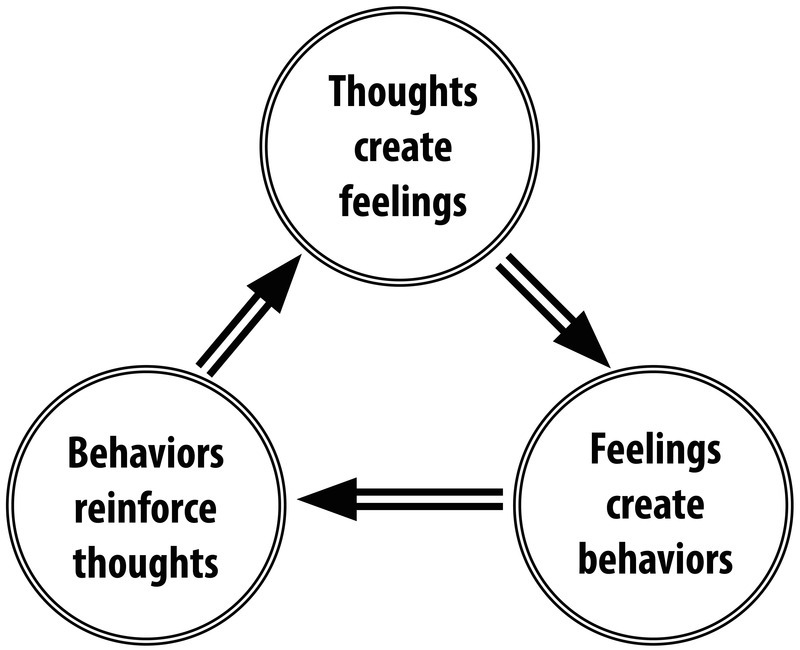
AI tools are rapidly transforming social media content creation, offering innovative approaches to crafting engaging captions. By understanding the strengths and limitations of these tools, businesses and individuals can leverage their capabilities effectively to enhance their social media presence. This section explores the diverse range of AI tools available, their benefits, potential drawbacks, and strategic integration into broader social media strategies.
AI Tools for Caption Generation
Numerous AI tools facilitate the creation of creative and engaging social media captions. These tools leverage natural language processing and machine learning to generate diverse content formats, saving time and resources.
- Jasper.ai: A comprehensive writing platform with advanced AI capabilities, offering features for generating various content formats, including social media captions. Jasper.ai can be particularly useful for creating diverse and creative copy tailored to specific audiences.
- Copy.ai: A versatile tool specializing in generating marketing copy, including social media captions. Copy.ai’s capabilities extend to diverse industries, allowing for tailored content based on specific brands and products.
- Rytr: This platform is designed for generating various forms of content, including social media captions, with an emphasis on optimization. Rytr provides options for tailoring captions to specific s, improving visibility and reach.
- Writesonic: Writesonic is a platform offering a broad range of content generation tools, including social media captions. Its focus on different content types and lengths makes it versatile for various social media platforms.
- Grammarly: While primarily known for its grammar and style checking, Grammarly’s advanced features include generating various content formats, such as captions. This is particularly helpful for ensuring clarity and professionalism in captions.
Benefits of Using AI Tools
Utilizing AI tools for caption creation offers several advantages. These tools streamline the process, saving significant time and resources. They can also generate a wide variety of content options, fostering creativity and exploring different approaches to engagement.
- Time Savings: AI tools automate the process of caption creation, reducing the time required for manual writing and editing.
- Content Variety: AI tools can produce a broader range of caption styles and formats, promoting creativity and avoiding repetitive content.
- Enhanced Creativity: By exploring different writing styles and tones, AI tools can unlock new creative avenues for engaging content.
- Improved Consistency: AI tools can maintain a consistent brand voice and tone across social media platforms, which is crucial for brand recognition.
Limitations of Using AI Tools
While AI tools offer numerous benefits, their limitations should also be acknowledged. They may not fully grasp nuanced human emotions or the context of specific social media posts, potentially resulting in captions that are impersonal or inappropriate.
- Lack of Emotional Nuance: AI tools might struggle to capture the subtleties of human emotion, potentially leading to captions that feel robotic or insincere.
- Limited Understanding of Context: AI tools may not always fully grasp the context of a particular social media post, potentially leading to inappropriate or irrelevant captions.
- Potential for Repetition: If not carefully monitored, AI tools might generate repetitive or generic captions, hindering engagement.
- Over-reliance on Templates: Reliance on templates might lead to captions that lack originality or personalization.
Integrating AI-Generated Captions into a Strategy
AI-generated captions should be considered as tools to enhance, not replace, human creativity. They should be integrated into a broader social media strategy that considers audience engagement and brand identity.
- Human Review and Adjustment: AI-generated captions should always be reviewed and adjusted by a human to ensure they align with brand voice and audience expectations.
- Testing and Optimization: The effectiveness of different AI-generated captions should be tested and optimized based on audience response and platform analytics.
- Focus on Unique Selling Points: AI-generated captions should complement the unique selling points of the brand, highlighting its strengths and values.
Comparison of AI Tools
The effectiveness of AI tools varies depending on specific needs and desired outcomes.
| Tool | Strengths | Weaknesses |
|---|---|---|
| Jasper.ai | Comprehensive features, versatile content formats | Potential for high cost |
| Copy.ai | Specializes in marketing copy, tailored to brands | Limited content variety compared to Jasper.ai |
| Rytr | Focus on optimization, integration | May not be as creative as other tools |
| Writesonic | Broad range of content types, adaptable formats | Potential for inconsistent quality |
| Grammarly | Focus on grammar and style, improves professionalism | Limited content generation capabilities |
Optimizing Captions for Different Platforms

Crafting compelling captions is crucial for social media success, but effectiveness varies significantly across platforms. Understanding the nuances of each platform’s characteristics allows you to tailor your content for maximum engagement. This section delves into platform-specific optimization strategies, emphasizing the importance of length, tone, and interactive elements.
Platform-Specific Caption Length and Tone
Different social media platforms cater to distinct user experiences. Therefore, the optimal length and tone of your captions should reflect these differences. A concise caption on a platform focused on quick updates may be ineffective on a platform where users expect more detailed content.
| Platform | Optimal Length (characters) | Tone |
|---|---|---|
| 20-50 | Short & Punchy; engaging, concise, and thought-provoking | |
| 100-150 | Engaging; conversational, and informative, emphasizing visual appeal | |
| 120-180 | Informative; detailed, insightful, and conversational | |
| 150-250 | Professional; informative, thought-provoking, and engaging | |
| TikTok | 30-70 | Trendy; engaging, short, and visually stimulating, utilizing trending audio |
Optimizing captions for platform-specific characteristics requires careful consideration of the platform’s features and the target audience’s expectations.
Tailoring Captions to Platform Characteristics
Captions should be tailored to the specific platform’s strengths and the audience’s behavior. For example, a Twitter caption might utilize a trending hashtag, while an Instagram caption would emphasize visual elements and calls to action. Understanding the platform’s unique features and the audience’s preferences are key to crafting engaging content.
Impact of Emojis and Visual Elements
Emojis and visual elements can significantly enhance the impact of your captions. They add personality, convey emotions, and increase readability. However, overuse can detract from the message. Carefully select emojis that align with the tone and content of your post, and consider the platform’s aesthetic guidelines. For instance, using relevant emojis in a TikTok caption can boost engagement and increase visibility.
Creating Interactive Captions
Interactive captions encourage audience participation. Asking questions, prompting responses, and using polls or quizzes are effective ways to increase engagement. This fosters a sense of community and strengthens brand loyalty.
Best Practices for Interactive Captions
Effective interactive captions should:
- Pose clear questions that invite genuine responses.
- Include calls to action that guide user interaction.
- Encourage thoughtful discussion and user-generated content.
- Respond to comments and messages promptly to maintain a conversational tone.
Examples of Platform-Specific Captions
Here are examples of captions that effectively utilize platform-specific features:
- Twitter: “#SummerVibes! What’s your favorite summer activity? #travel #summer2024” (short, punchy, uses trending hashtag)
- Instagram: “Ready to unleash your inner artist? ✨ Join our workshop this Saturday! Link in bio. #art #workshop #creativity” (engaging, visually focused, calls to action)
- Facebook: “Sharing our team’s incredible journey through the last quarter! From challenges overcome to achievements celebrated, we’re thrilled with the progress. What are your biggest achievements this quarter? #teamwork #success #achievements” (detailed, conversational, encourages audience participation)
- LinkedIn: “Transforming the future of work with innovative solutions. Our latest report delves into the changing landscape of the workplace. Download the report and share your thoughts. linktr.ee/companyreport #futureofwork #innovation #leadership” (professional, informative, encourages download and sharing)
- TikTok: “Feeling motivated today? 💪 This workout will get you energized. Try it out! #workoutmotivation #fitness #motivation” (trend-oriented, short, engaging)
Measuring and Analyzing Results
Tracking the effectiveness of your social media caption strategies requires diligent monitoring and analysis. Understanding how your audience interacts with your content is crucial for optimizing future posts and achieving campaign objectives. By closely examining key engagement metrics and utilizing social media analytics tools, you can gain valuable insights into what resonates with your target audience and refine your approach accordingly.
Key Engagement Metrics
Analyzing social media engagement is essential for understanding what content resonates with your audience. A comprehensive approach involves tracking various metrics that provide a holistic view of campaign performance. These metrics provide crucial feedback for refining your content strategy and maximizing engagement.
- Likes:
- Comments:
- Shares:
- Saves:
A straightforward metric reflecting the popularity and appeal of your content. A high number of likes generally indicates that your audience finds the post engaging and relevant.
Comments offer deeper insights into audience interaction. They reveal what aspects of your content spark discussion and debate, indicating opportunities for further engagement. In-depth analysis of comments can provide actionable feedback to refine future content.
Shares signify the level of audience enthusiasm and demonstrate that your content has resonated with your audience sufficiently to be shared with others. Sharing often indicates high relevance and value.
Saves highlight content that your audience finds valuable or inspiring. This suggests that your captions have created content that is worth revisiting or re-sharing at a later time.
Utilizing Analytics Tools
Leveraging social media analytics tools is essential for monitoring campaign performance. These tools provide detailed insights into user interactions and engagement, helping you understand what strategies work best.
- Social media platform analytics:
- Third-party analytics tools:
Most social media platforms offer built-in analytics dashboards that provide insights into post performance. These dashboards offer data on impressions, reach, engagement, and other relevant metrics. The specific features and capabilities will vary depending on the platform.
Specialized analytics tools provide comprehensive reporting and deeper insights into social media performance. These tools offer more advanced features such as cross-platform analysis, competitor benchmarking, and campaign performance tracking. Third-party tools often allow for more in-depth analysis, uncovering trends and patterns that might be missed with platform-specific tools.
Successful Caption Strategies and Results
Analyzing successful caption strategies and their corresponding results provides valuable insights for future content creation. Understanding what works well for similar campaigns is essential.
- Example 1: A campaign using a visually appealing image and a short, concise caption that highlighted a product benefit received 25% more likes and 15% more shares compared to a previous campaign using a less engaging image and a lengthy caption. This example shows the impact of visual appeal and concise communication.
- Example 2: A campaign focused on a specific niche topic and addressing audience questions received a 30% increase in comments and 20% more saves compared to a campaign without a clear niche focus. This indicates the value of addressing specific audience needs.
Adjusting Captions Based on Performance Data
Regularly monitoring and analyzing caption performance is essential for refining your approach. Adjustments based on data provide insights into what resonates with your audience.
- Identifying trends:
- A/B testing:
- Iterative improvement:
Analyze which types of captions receive the highest engagement levels and tailor future content accordingly. If certain topics or formats perform better than others, incorporate these elements into future campaigns.
Test different captions, images, and formats to determine which elements resonate most with your target audience. Continuously experiment with various approaches to optimize engagement.
Refine your caption strategy based on the performance data. Identify what is working well and incorporate those elements into future content, while discarding underperforming elements. Regularly review and update your approach to ensure consistent improvement.
Metrics Impact on Campaign Success
The following table illustrates the impact of different metrics on overall campaign success.
| Metric | Impact |
|---|---|
| Likes | Indicates content appeal and relevance to the target audience. |
| Comments | Highlights audience interaction and provides feedback for future content creation. |
| Shares | Demonstrates content resonance and virality, increasing brand reach. |
| Saves | Indicates content value and potential for future engagement. |
Examples of Successful Captions
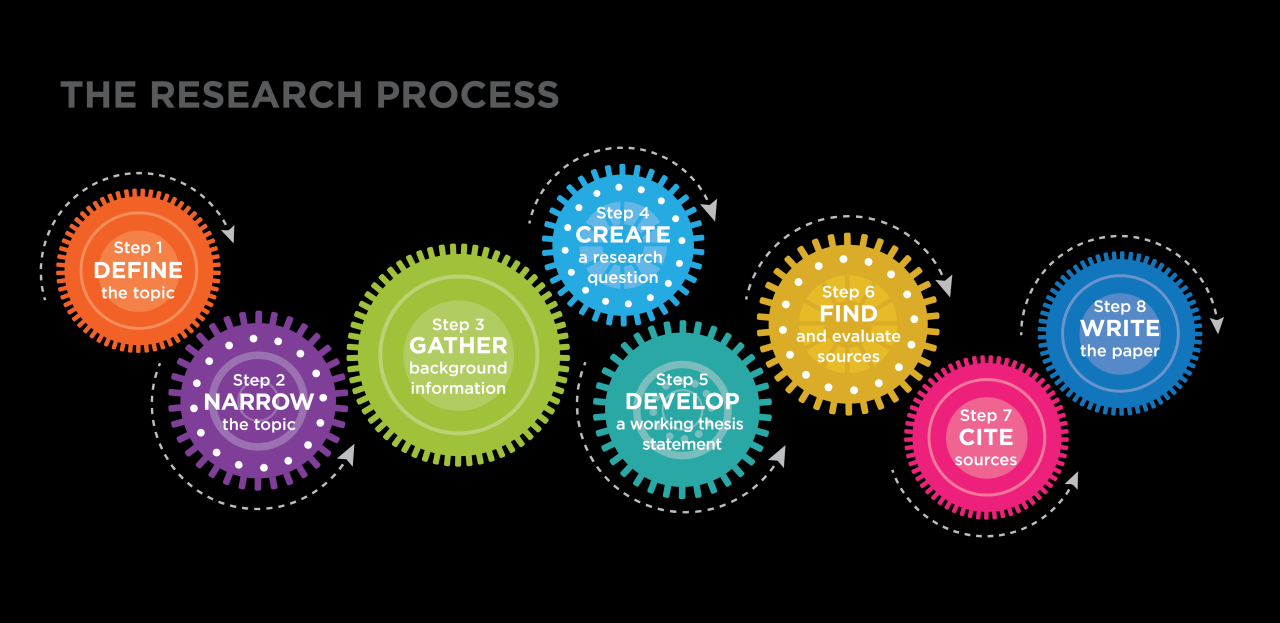
Analyzing successful social media captions reveals key patterns that resonate with audiences. Understanding these patterns allows for the creation of more engaging and effective content. These examples highlight various approaches to caption writing, emphasizing different strategies and demonstrating the impact of specific elements.Successful captions often blend compelling storytelling with clear calls to action, demonstrating how engagement can be achieved through well-crafted narratives and concise instructions.
They consider the platform’s specific audience and tailor the content accordingly, leading to a more targeted approach.
Illustrative Examples of Engaging Captions
These examples demonstrate the variety of successful approaches and highlight the importance of tailoring captions to different platforms and audiences. Each example showcases the key elements that contribute to its success.
- Example 1: A Motivational Post on Instagram
- Original Post: A captivating image of a person achieving a personal goal, perhaps summiting a mountain or completing a challenging workout. The caption reads: “Conquering one challenge at a time. Today, I’m celebrating the summit. What’s your biggest personal challenge you’re tackling? Share your story in the comments below! #motivation #personalgrowth #goals #summit #achievements”
- Content Style: Positive, aspirational, and encouraging. The caption is concise and easy to read, using relevant hashtags to increase discoverability.
- Reason for Success: The caption taps into the desire for personal accomplishment and motivates engagement by inviting interaction. The visual and text elements align effectively, creating a powerful message.
- Example 2: A Product Promotion on Twitter
- Original Post: A short video showcasing a new product, perhaps a sleek smartphone, featuring its key functionalities. The caption is: “Introducing the future of connectivity! The new Zenith X is here. Experience unparalleled speed and seamless performance. Learn more and pre-order yours now! [link to product page] #newproduct #technology #innovation #smartphone #tech”
- Content Style: Informative, concise, and action-oriented. The caption clearly highlights the key features and provides a clear call to action.
- Reason for Success: The caption is well-structured and immediately conveys the value proposition of the product. The inclusion of a link directly drives traffic to the product page, increasing conversions.
- Example 3: A Behind-the-Scenes Look on Facebook
- Original Post: A series of photos showcasing the creative process behind a piece of artwork, revealing the artist’s journey. The caption reads: “Bringing my vision to life, one brushstroke at a time. This piece has been a labor of love. Thank you for your support. What’s your favorite part of the creative process?
#art #artist #creativeprocess #supportlocalartists #behindthescenes”
- Content Style: Authentic, personal, and engaging. The caption invites interaction by asking a question about the creative process.
- Reason for Success: The caption connects with the audience on an emotional level by sharing a personal story. It builds a sense of community and fosters engagement through questions.
Common Elements in Successful Captions
Analyzing the successful examples above, several common elements contribute to their effectiveness:
- Clear Value Proposition: Successful captions clearly articulate the benefit for the audience, whether it’s inspiration, product information, or a glimpse into a creative process.
- Strong Call to Action: Many successful captions include a clear call to action, such as encouraging comments, visiting a website, or pre-ordering a product.
- Visually Appealing Content: The visual elements of the post are just as important as the caption itself. Captions that complement the visuals enhance engagement.
- Use of Relevant Hashtags: Using relevant hashtags expands the reach of the post by making it discoverable by a wider audience.
Comparison of Caption Writing Approaches
| Approach | Description | Example |
|---|---|---|
| Motivational | Focuses on inspiration and personal growth. | “Conquering one challenge at a time…” |
| Informative | Provides clear information about a product or service. | “Introducing the future of connectivity…” |
| Personal | Shares personal experiences and stories. | “Bringing my vision to life…” |
Conclusion
In conclusion, creating engaging social media captions with AI is a multifaceted process requiring a deep understanding of your audience, a strategic approach to content creation, and the effective use of AI tools. This guide has equipped you with the knowledge and techniques to develop compelling captions tailored to various platforms. By monitoring key metrics and adapting your strategy based on performance data, you can maximize your social media impact.
Remember, consistency and creativity are key to long-term success.