Delving into the fascinating history of Artificial Intelligence reveals a rich tapestry woven from innovation, setbacks, and profound societal impact. This journey through time, from early concepts to cutting-edge advancements, offers invaluable insights into the field’s evolution and the key factors that shaped its trajectory. Understanding this history is crucial for appreciating the present and anticipating future possibilities.
This guide provides a structured approach to learning AI history, encompassing key figures, pivotal moments, and essential resources. We’ll explore the evolution of core concepts, the influence of various disciplines, and the social, ethical, and economic ramifications of AI’s development.
Defining AI History

Artificial intelligence (AI) history encompasses the evolution of ideas, research, and technological advancements related to creating intelligent agents. It’s a complex tapestry woven from diverse theoretical frameworks, groundbreaking discoveries, and periods of both rapid progress and significant setbacks. Understanding this history provides valuable context for appreciating the present state of AI and anticipating its future trajectory.This exploration delves into the key milestones, influential figures, and contrasting approaches that have shaped the field.
It examines how our understanding of intelligence, and the potential of machines to mimic it, has evolved over time. The analysis highlights the interplay between theoretical concepts, practical applications, and the societal impact of these advancements.
Key Milestones and Turning Points
The development of AI has been marked by several critical moments. Early conceptualizations of intelligent machines laid the groundwork for future research. The Dartmouth Workshop in 1956, widely considered the birth of AI as a formal field, brought together leading researchers and solidified the nascent field’s direction. This event triggered a period of optimism and intense activity, characterized by early successes in symbolic reasoning and game playing.
Schools of Thought and Approaches
Different schools of thought and approaches to AI have emerged throughout its history. Early work focused heavily on symbolic reasoning, using logical rules to represent knowledge and solve problems. This approach, exemplified by expert systems, aimed to capture human expertise in specific domains. Later, connectionist models, inspired by the structure of the human brain, gained prominence. These models employed neural networks to learn from data, achieving success in tasks like image recognition and natural language processing.
Major Figures and Contributions
Numerous individuals have significantly shaped the course of AI history. Alan Turing’s work on computation and the Turing Test remains foundational. John McCarthy, a key organizer of the Dartmouth Workshop, is recognized as a pivotal figure in establishing AI as a distinct field. Marvin Minsky and Seymour Papert made significant contributions to the development of neural networks. These and other pioneers laid the intellectual foundations for subsequent advancements in the field.
Timeline of Significant AI Events
- 1950: Alan Turing publishes “Computing Machinery and Intelligence,” introducing the Turing Test as a benchmark for machine intelligence.
- 1956: The Dartmouth Workshop is held, marking the formal birth of Artificial Intelligence.
- 1960s-1970s: Early successes in symbolic reasoning, leading to the development of expert systems. However, limitations in knowledge representation and reasoning led to a period of disillusionment (the “AI winter”).
- 1980s: The rise of expert systems and knowledge-based systems. Japan’s Fifth Generation Computer Systems project spurred further research.
- 1990s-2000s: The emergence of connectionist models and machine learning algorithms. The availability of large datasets and increased computing power facilitated progress in areas like natural language processing and image recognition.
- 2010s-Present: Deep learning revolutionizes AI, achieving breakthroughs in various domains including image recognition, natural language processing, and game playing. The use of large datasets and sophisticated algorithms allows for unprecedented performance.
Comparison of AI Eras
| AI Era | Key Characteristics | Examples | Limitations |
|---|---|---|---|
| Rule-Based Systems (1960s-1980s) | Relied on explicit rules and knowledge representation. | Expert systems for medical diagnosis, financial analysis. | Limited ability to generalize from incomplete or noisy data. Difficulty in handling complex real-world scenarios. |
| Connectionist Models (1980s-Present) | Inspired by the structure and function of the human brain. Employs neural networks to learn from data. | Image recognition systems, natural language processing models. | Requires significant computational resources and large datasets. “Black box” nature of some models can hinder interpretability. |
Core Concepts in AI History

The development of artificial intelligence has been profoundly shaped by a series of core concepts, evolving from philosophical musings to sophisticated algorithms and machine learning techniques. Understanding these foundational ideas provides valuable context for appreciating the progress and challenges encountered throughout AI’s history. This exploration will delve into the key concepts, tracing their evolution and impact on the field’s trajectory.The evolution of AI is not a linear progression, but rather a complex interplay of various intellectual currents and technological advancements.
Different eras witnessed varying emphases and approaches, leading to both successes and setbacks. Examining these shifts offers insights into the ongoing quest to create intelligent machines.
Foundational Philosophical Influences
Early conceptualizations of AI were deeply rooted in philosophical inquiries about the nature of intelligence and consciousness. Philosophers grappled with questions about the mind, reason, and the possibility of creating artificial minds. These explorations laid the groundwork for the development of formal models of thought processes and the search for computational representations of knowledge. These early philosophical investigations were essential in setting the stage for the emergence of AI as a formal scientific discipline.
Mathematical Foundations of AI
Mathematics played a crucial role in formalizing the concepts of computation and problem-solving, laying the foundation for algorithms and the design of intelligent systems. Early pioneers in AI drew heavily on mathematical logic, set theory, and probability theory to develop frameworks for representing knowledge and reasoning. The development of symbolic AI relied heavily on formal mathematical systems. For example, the use of predicate logic to represent knowledge and inference rules to derive new knowledge is a direct consequence of mathematical foundations.
Evolution of Algorithms and Machine Learning
The development of algorithms, precise sets of instructions for computers to follow, became central to AI’s progress. Early AI systems focused on symbolic reasoning, relying on explicit rules and knowledge representation. The emergence of machine learning marked a significant shift, enabling systems to learn from data without explicit programming. This evolution allowed for the development of systems capable of adapting to new information and improving their performance over time.
Machine learning algorithms, such as decision trees and support vector machines, gained prominence, leading to more sophisticated and versatile AI systems.
Impact of Neural Networks
Neural networks, inspired by the structure and function of the human brain, have profoundly influenced AI. These networks consist of interconnected nodes that process information and learn patterns. The development of deep learning, a powerful subset of machine learning utilizing deep neural networks, has led to remarkable advancements in various domains, including image recognition, natural language processing, and speech recognition.
The success of deep learning hinges on the availability of vast datasets and significant computational resources.
Technological Advancements and AI Development
Technological advancements, such as the development of faster computers and larger storage capacities, have significantly impacted AI development. The ability to process vast amounts of data and execute complex algorithms has unlocked new possibilities for AI systems. The increased computational power allowed for the training of more complex neural networks and the development of more sophisticated machine learning algorithms.
The exponential growth in computing power has been instrumental in driving AI’s progress.
Challenges Faced by AI Researchers
AI research has faced numerous challenges throughout its history. One key challenge is the development of robust and reliable methods for knowledge representation and reasoning. Another significant challenge is the need for systems to learn and adapt to new situations in a flexible and effective manner. The potential for bias in training data and the ethical implications of AI systems are also important considerations.
These challenges require ongoing research and development efforts.
Key Figures and Their Contributions

Early artificial intelligence research was shaped by a diverse group of pioneers, each with unique perspectives and approaches. Their contributions, often intertwined with collaborations and rivalries, laid the foundation for the field’s subsequent development. This section delves into the lives and works of influential figures, highlighting their specific impact on AI’s trajectory.Understanding the historical context of these figures is crucial to comprehending the evolution of AI.
Their research and publications, along with the societal and technological landscape of their time, significantly influenced the development of AI concepts and methodologies.
Alan Turing and the Turing Test
Alan Turing, a British mathematician and computer scientist, is widely considered a foundational figure in AI. His seminal work, “Computing Machinery and Intelligence” (1950), introduced the Turing Test, a crucial benchmark for evaluating machine intelligence. The test proposed that if a machine could engage in conversation with a human and be indistinguishable from a human, it could be considered intelligent.Turing’s biography reveals a brilliant mind grappling with fundamental questions about computation, intelligence, and the nature of thought.
Born in 1912, Turing’s early work focused on mathematical logic and the theoretical foundations of computation. His groundbreaking work on the Turing machine, a theoretical model of computation, demonstrated that any computable function could be performed by a machine. This work had a profound impact on the development of computer science and laid the groundwork for AI.Turing’s approach to AI was deeply rooted in computation and logic.
He believed that machines could mimic human intelligence through complex algorithms and rule-based systems. His ideas were revolutionary for their time and spurred significant research in the nascent field of AI.
Marvin Minsky and the Dartmouth Workshop
Marvin Minsky, an American cognitive scientist and computer scientist, played a pivotal role in the early development of AI. He co-organized the 1956 Dartmouth Workshop, widely recognized as the birth of AI as a formal field of study.Minsky’s research spanned various aspects of AI, including neural networks, natural language processing, and machine learning. His contributions included the development of the perceptron, an early model of a neural network.
He also made significant strides in understanding how symbolic representations could be used to model cognitive processes.Minsky’s approach to AI differed from Turing’s in its focus on the connectionist approach. While Turing focused on symbolic manipulation, Minsky and his colleagues explored the potential of neural networks to mimic the human brain’s structure and function.
A Table of Key AI Pioneers
| Name | Dates | Fields | Impact |
|---|---|---|---|
| Alan Turing | 1912-1954 | Mathematics, Computer Science | Formulated the Turing Test, foundational work on computation, theoretical model of intelligence. |
| Marvin Minsky | 1927-2016 | Cognitive Science, Computer Science | Co-organized the Dartmouth Workshop, significant contributions to neural networks and symbolic AI. |
| John McCarthy | 1927-2011 | Computer Science | Coined the term “artificial intelligence,” crucial in establishing the field. |
| Claude Shannon | 1916-2001 | Mathematics, Electrical Engineering | Pioneering work in information theory and its application to communication and computation. |
The table above highlights the diverse backgrounds and contributions of early AI pioneers, showcasing the collaborative and competitive environment that fostered the development of the field.
Collaborative Efforts and Rivalries
The development of AI was not a solitary endeavor. Early researchers often collaborated, sharing ideas and resources to advance the field. The Dartmouth Workshop, for example, brought together leading minds in the field, fostering a sense of collective progress. However, competition and differences in approaches were also evident. Researchers sometimes disagreed on the best path forward, leading to debates and even rivalries.These collaborations and rivalries, while sometimes contentious, were crucial to the development of AI.
They spurred innovation, forced researchers to defend their positions, and ultimately contributed to a richer understanding of the complexities of artificial intelligence.
Learning Resources and Methods
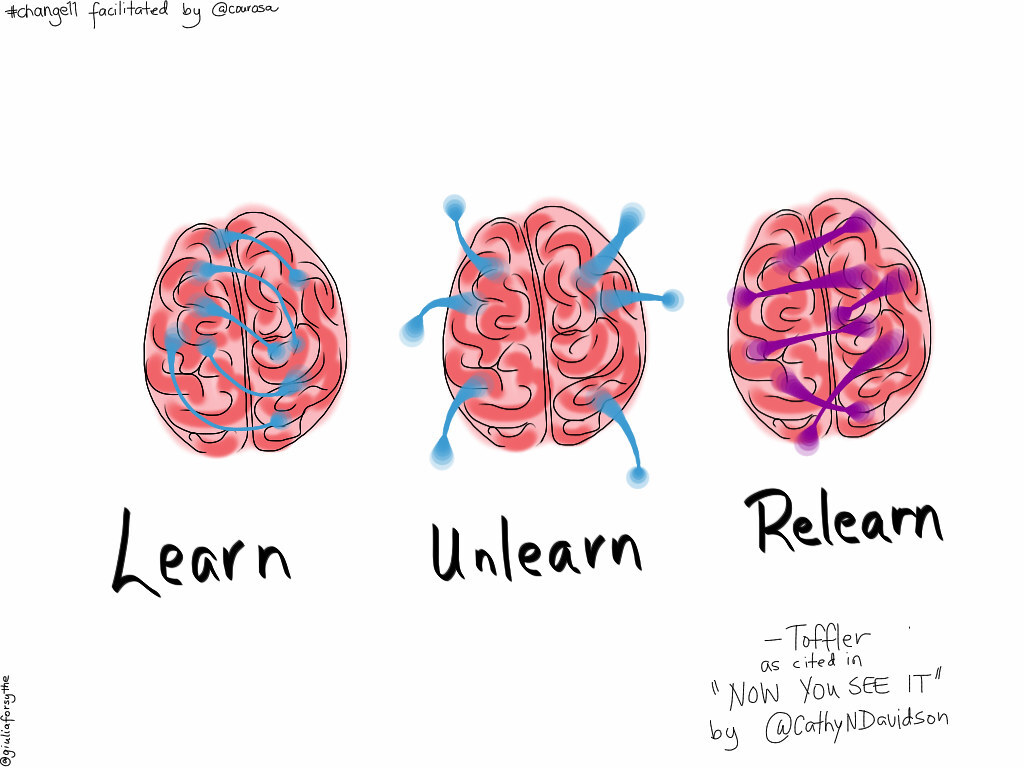
Delving into the history of artificial intelligence requires a multifaceted approach, leveraging diverse resources and employing various learning strategies. This section details invaluable tools and methods for understanding AI’s evolution, from foundational texts to online platforms and critical analysis techniques. By combining different learning styles, you can gain a richer and more nuanced understanding of this fascinating field.
Resources for Learning AI History
A wealth of resources exists for exploring the historical development of AI. Books, websites, and documentaries provide diverse perspectives and insights into key events and figures.
- Books: Many books offer in-depth analyses of specific periods or aspects of AI history. For instance, “Artificial Intelligence: A Modern Approach” by Stuart Russell and Peter Norvig, while primarily focused on current AI, includes historical context. Other specialized books provide more focused historical overviews. Consult university libraries or online booksellers for a wide selection.
- Websites: Numerous websites offer articles, essays, and historical overviews on AI. Academic journals, research databases, and AI-focused news outlets often publish informative content. These platforms can be valuable for finding specific information or timelines. Examples include the Association for the Advancement of Artificial Intelligence (AAAI) website and reputable AI research databases.
- Documentaries: Documentaries can offer engaging and accessible overviews of AI history, often combining historical footage, interviews, and expert commentary. These resources can provide a visual and narrative understanding of key moments and personalities in AI development.
Methods for Studying AI History
Effective learning involves not just passively consuming information, but actively engaging with the material. Critical analysis and research are essential for a deep understanding of the historical context and the motivations behind different approaches to AI.
- Reading: Careful reading of primary and secondary sources is fundamental. Take notes, identify key themes, and analyze different perspectives. Compare and contrast different interpretations of historical events.
- Research: Delve deeper into specific topics or periods through research. Consult academic papers, historical records, and other relevant materials to build a more comprehensive understanding. Use online databases and research libraries for effective research.
- Critical Analysis: Evaluate the information critically. Consider the biases, limitations, and perspectives of different authors and sources. Question assumptions and draw your own conclusions based on evidence.
Educational Materials and Learning Strategies
Structured educational materials and learning strategies can significantly enhance your understanding of AI history. These resources can guide your study and ensure a comprehensive grasp of the field’s evolution.
- Chronological timelines: Create a timeline of key events in AI history. This visual representation helps track the development and understand the sequence of important milestones. Identify turning points and consider the context surrounding them.
- Comparative analysis: Compare and contrast different approaches to AI. Identify similarities and differences in various paradigms and schools of thought. This helps to understand the evolution of ideas and the impact of different theories on the field’s progress.
- Note-taking and summarization: Develop a system for taking notes and summarizing key information from your readings and research. Use different note-taking methods (e.g., mind maps, Artikels) to effectively capture and process the information.
Approaching Primary and Secondary Sources
Understanding the difference between primary and secondary sources is crucial. Primary sources are firsthand accounts, while secondary sources analyze and interpret primary sources. Both are vital for a complete understanding.
- Primary sources: These sources provide direct insights into the past. Examples include historical documents, letters, and speeches from key figures in AI history. Careful consideration of the context and limitations of these sources is important.
- Secondary sources: These sources interpret and analyze primary sources. Books, articles, and scholarly papers that discuss AI history are secondary sources. Evaluate the credibility and objectivity of these interpretations.
Online Learning Platforms
Various online platforms offer courses and resources focusing on AI history. These platforms provide accessible and structured learning experiences.
| Platform | Description |
|---|---|
| Coursera | Offers various courses on AI, potentially including historical components. |
| edX | Provides a platform for AI courses, potentially with a historical perspective. |
| Udacity | May have nanodegrees or courses related to AI, some potentially including historical context. |
| Khan Academy | Offers resources on computer science and related fields, potentially touching upon AI history. |
Effective Study Techniques
Effective study techniques for absorbing AI historical information include active recall, spaced repetition, and creating visual aids.
- Active recall: Test yourself regularly on the material to reinforce learning and identify areas where further study is needed. Try to recall key events, figures, and concepts without looking at your notes.
- Spaced repetition: Review the material at increasing intervals to improve long-term retention. Use flashcards or digital tools to schedule spaced repetitions.
- Visual aids: Create timelines, diagrams, or mind maps to visualize complex concepts and relationships in AI history. Visual representations can enhance understanding and retention.
AI History in Context
The development of artificial intelligence is not a purely technological endeavor; it is deeply intertwined with societal, ethical, and economic factors. Understanding this context is crucial to appreciating the full scope of AI’s evolution and its impact on the world. From the initial theoretical foundations to the practical applications of today, AI’s trajectory has been shaped by a complex interplay of forces.AI’s advancement has been profoundly influenced by the prevailing social and economic climates of each era.
For instance, the need for automated solutions during wartime significantly accelerated research in specific AI domains. Conversely, periods of economic recession or social upheaval might have dampened investment and research in certain areas.
Social Implications of AI History
The development of AI has consistently raised questions about its impact on human society. Concerns about job displacement, algorithmic bias, and the potential for misuse of AI systems are not new and have been debated throughout AI history. These concerns have prompted the development of ethical frameworks and regulations to mitigate potential harms and ensure responsible AI development.
Ethical Considerations in AI Development
Ethical considerations have been interwoven with the development of AI from the very beginning. Early AI researchers recognized the potential for misuse and the importance of developing AI systems that align with human values. The increasing complexity and capabilities of modern AI systems necessitate ongoing dialogue and the development of more robust ethical guidelines and frameworks. These frameworks aim to prevent AI from perpetuating existing societal biases or creating new ones.
Economic Impacts of AI Development
AI has profoundly impacted the global economy. The automation potential of AI systems has the potential to significantly increase productivity, leading to economic growth in some sectors. However, concerns about job displacement and the need for workforce retraining have also emerged. The distribution of economic benefits from AI adoption has been uneven, creating challenges for governments and policymakers.
AI Development Across Different Regions
The pace and trajectory of AI development have varied across different countries and regions. Factors like funding, research infrastructure, and cultural attitudes have shaped the focus and direction of AI research in specific locations. For instance, the United States has historically been a leader in AI research due to its strong research institutions and funding mechanisms. Meanwhile, other nations have pursued specific AI applications tailored to their unique needs and priorities.
Comparing these regional differences provides insights into the global landscape of AI development.
Influence on Political and Economic Policies
AI’s influence on political and economic policies is undeniable. The development and deployment of AI systems have led to discussions about data privacy, national security, and international cooperation. Governments are increasingly recognizing the need to develop policies that address the potential benefits and risks of AI. Examples include regulations concerning data security, the development of national AI strategies, and international cooperation on ethical guidelines.
Cultural Impact on Popular Imagination
AI has profoundly influenced popular culture, shaping public perception and expectations. From science fiction narratives to real-world applications, AI has captivated the public imagination. The portrayal of AI in media has often influenced public opinion and shaped the public’s understanding of its potential and risks. These cultural portrayals range from benevolent helpers to malevolent threats. Understanding this cultural context is vital to navigating the public’s perception and response to AI advancements.
Influence of Funding and Resources
The availability of funding and resources has significantly influenced the trajectory of AI development. Periods of high investment in research and development have led to breakthroughs and advancements. Conversely, limited resources have constrained progress in certain areas. The uneven distribution of funding across different countries and regions has further contributed to the varying pace of AI development globally.
Analysis of funding patterns can provide insights into the factors driving progress and potential bottlenecks.
Illustrative Examples and Case Studies
Understanding the history of artificial intelligence (AI) requires examining specific projects and their impact. This section delves into notable AI systems, highlighting their historical significance, the influence they had on subsequent research, and, importantly, the lessons learned from their successes and failures. Analyzing these case studies provides valuable context and reveals the iterative nature of AI development.Examining the evolution of AI through specific projects offers a concrete understanding of the field’s progression.
From early attempts at mimicking human thought processes to modern machine learning algorithms, each project contributes to the tapestry of AI history. By studying these examples, we can appreciate the challenges, triumphs, and continuous evolution of the field.
Early AI Systems and Their Impact
Early AI research focused on symbolic reasoning and problem-solving. These systems, while limited in their capabilities compared to modern AI, laid the groundwork for future advancements.
- The Logic Theorist (1955-1956): Developed by Allen Newell and Herbert Simon, this program was one of the earliest attempts at creating a machine capable of proving mathematical theorems. Its success demonstrated the potential of symbolic AI but also highlighted the limitations of purely rule-based approaches. The Logic Theorist influenced subsequent research in automated reasoning and knowledge representation.
- General Problem Solver (GPS): This program, also developed by Newell and Simon, aimed to solve problems using heuristic search techniques. GPS showcased the power of problem-solving algorithms but struggled with complex real-world problems, highlighting the need for more sophisticated approaches.
- ELIZA (1966): Developed by Joseph Weizenbaum, this program simulated a Rogerian psychotherapist. Though not truly intelligent, ELIZA demonstrated the potential of natural language processing and sparked interest in conversational AI, influencing subsequent research in chatbots and virtual assistants. It also raised important ethical considerations about the perceived intelligence of machines and their interactions with humans.
Influence of AI Project Development on Later Research
The development of early AI systems had a profound impact on the direction of future research. The limitations of these early systems often highlighted the need for new approaches and inspired researchers to explore different avenues.
- The limitations of early rule-based systems in handling complex real-world problems spurred the development of machine learning algorithms that could learn from data, enabling AI to adapt to new situations and improve its performance over time.
- The success of the Logic Theorist in proving mathematical theorems influenced subsequent research in automated reasoning and knowledge representation, pushing the boundaries of symbolic AI.
- The insights gained from the development of ELIZA contributed to the understanding of natural language processing, paving the way for more sophisticated chatbots and virtual assistants.
AI System Failures and Subsequent Advancements
The failures of certain AI projects were just as crucial as their successes in shaping the trajectory of AI research. These setbacks highlighted critical limitations and inspired researchers to explore new directions.
- The “AI winter” of the 1970s and 1980s was largely due to the inability of early AI systems to meet the high expectations and promises of their proponents. This period of reduced funding and interest in AI led to a renewed focus on practical applications and a more realistic assessment of the field’s potential.
- The limitations of early machine learning techniques in handling large datasets motivated researchers to develop more sophisticated algorithms, leading to the rise of deep learning in the 21st century.
Evolution of AI: A Case Study Comparison
The following table illustrates the evolution of AI systems, highlighting key differences and advancements across various eras.
| Era | Example System | Key Features | Impact |
|---|---|---|---|
| Early Symbolic AI (1950s-1970s) | Logic Theorist | Rule-based, symbolic reasoning | Pioneered automated theorem proving, influenced future symbolic AI research |
| Expert Systems Era (1970s-1980s) | MYCIN | Rule-based systems for specific domains | Demonstrated practical applications of AI in medical diagnosis |
| Machine Learning Rise (1990s-2000s) | Support Vector Machines | Data-driven algorithms for classification and regression | Improved performance in various applications, laid the groundwork for deep learning |
| Deep Learning Revolution (2010s-Present) | Deep Convolutional Neural Networks | Multi-layered neural networks for image recognition and other tasks | Enabled breakthroughs in image recognition, natural language processing, and other fields |
End of Discussion
In conclusion, learning the history of Artificial Intelligence is more than just a historical exercise; it’s a crucial step towards a deeper understanding of the present and future of this transformative field. By exploring the milestones, challenges, and key figures, we gain a more nuanced perspective on the technological advancements and societal implications of AI. This guide offers a roadmap for navigating the complex history, providing a framework for future learning and critical thinking.