Artificial intelligence (AI) is rapidly transforming our daily lives, often in ways we don’t immediately recognize. This exploration dives into the numerous, subtle, and impactful ways AI is woven into the fabric of our modern routines, from the personalized recommendations we receive to the sophisticated systems that power our transportation networks.
This guide will illuminate how AI manifests in everyday tasks, entertainment, communication, commerce, healthcare, transportation, home automation, and even education. We’ll examine the underlying algorithms and techniques, exploring the advantages and potential drawbacks of these powerful technologies. Through detailed examples and case studies, you’ll gain a comprehensive understanding of the pervasive influence AI exerts on our lives.
Everyday Applications of AI
Artificial intelligence (AI) is increasingly woven into the fabric of our daily lives, often without us even realizing it. From the moment we wake up and check our phones to the time we go to bed, AI systems are subtly shaping our experiences and optimizing our interactions with the world. These systems, powered by sophisticated algorithms, analyze vast amounts of data to personalize our experiences and enhance efficiency.
Everyday AI in Online Recommendations
Personalized recommendations, whether for movies, music, products, or news, are a prime example of AI in action. These systems use complex algorithms to predict user preferences based on past behavior and interactions. For instance, an e-commerce platform might recommend a specific product based on your browsing history and past purchases.
- Collaborative filtering is a common technique used to identify patterns in user preferences. By comparing your viewing or purchasing history to the behavior of other users, the system can predict items you might like. This method leverages the collective wisdom of the user base.
- Content-based filtering analyzes the characteristics of items and users to make recommendations. If you frequently watch action movies, the system will recommend other action movies with similar actors, directors, or genres.
- Hybrid approaches combine collaborative and content-based filtering for more comprehensive and accurate recommendations.
AI in Personalized News Feeds
News aggregators and social media platforms leverage AI to curate personalized news feeds. These systems analyze user interests and behaviors to filter and prioritize the news articles, posts, and videos displayed. This approach can lead to a more targeted and engaging news experience for each individual user.
- Natural Language Processing (NLP) plays a crucial role in understanding the context and sentiment of news articles, allowing the system to tailor the feed to user preferences.
- Sentiment analysis algorithms determine the emotional tone of an article, helping the system to present information in a way that aligns with user preferences.
- Machine learning algorithms are trained on vast datasets of user interactions and news content to continuously improve the accuracy and relevance of recommendations.
AI in Voice Assistants
Voice assistants, such as Siri, Alexa, and Google Assistant, are powerful tools that respond to voice commands and answer questions. These systems rely on advanced natural language processing (NLP) to understand and process human speech.
- Speech recognition algorithms convert spoken words into text, enabling the assistant to interpret commands.
- Natural Language Understanding (NLU) algorithms interpret the intent behind the user’s request, allowing the assistant to perform the desired action.
- Dialog management systems enable the assistant to maintain a coherent conversation, providing a smooth and intuitive user experience.
Comparative Analysis of AI Tools
| Feature | Online Recommendations | Personalized News Feeds | Voice Assistants |
|---|---|---|---|
| Data Source | User browsing history, purchase data | User interactions, news content | User voice commands, queries |
| Algorithms | Collaborative filtering, content-based filtering, hybrid approaches | NLP, sentiment analysis, machine learning | Speech recognition, NLU, dialog management |
| Functionality | Suggest products, movies, music | Filter and prioritize news | Answer questions, perform tasks |
| Efficiency Improvement | Reduce time spent searching for desired items | Provide tailored news experiences | Streamline interactions with devices |
AI in Entertainment and Media
Artificial intelligence (AI) is rapidly transforming the entertainment and media landscape, impacting everything from movie recommendations to interactive storytelling. AI algorithms are increasingly used to personalize user experiences, predict preferences, and generate new content, offering both exciting possibilities and potential challenges.AI’s ability to analyze vast amounts of data allows for a deeper understanding of audience preferences, leading to more tailored and engaging experiences across various media platforms.
This personalization is driving innovation and altering the way audiences interact with entertainment.
Movie Recommendations
AI algorithms analyze user viewing history, ratings, and preferences to suggest films that align with their tastes. These systems use complex models, such as collaborative filtering and content-based filtering, to predict user enjoyment. For example, Netflix utilizes sophisticated AI to curate personalized recommendations, significantly impacting user engagement and content discovery. This personalized approach can lead to discovering hidden gems and satisfying existing preferences, but it can also potentially limit exposure to diverse content if the algorithm reinforces existing biases.
Music Generation
AI is now capable of generating original music compositions, ranging from simple melodies to complex orchestral scores. These systems learn from vast datasets of existing music, identifying patterns and structures to create novel pieces. For instance, AI tools can assist composers by generating variations on themes or creating entire soundtracks. This capability is particularly useful in the creation of background music for games, videos, or other media, allowing for quicker production and potential creative exploration.
However, the perceived originality and emotional depth of AI-generated music remain subjects of ongoing discussion.
Interactive Storytelling
AI is being used to create interactive narratives, allowing users to shape the plot and characters’ actions through choices. This approach can provide a more immersive and personalized storytelling experience, as seen in some video games and interactive fiction applications. By analyzing user input and choices, AI can dynamically adapt the narrative, offering unique and evolving storylines. This level of user agency is particularly interesting in gaming, where players can actively influence the outcome of the story.
However, maintaining a coherent and engaging narrative through player choices presents a complex challenge for AI systems.
AI in Gaming and Virtual Reality
AI plays a crucial role in enhancing gaming experiences, including creating realistic non-player characters (NPCs) with complex behaviors and interactions. AI also enables dynamic environments, where events and situations unfold based on player actions. In virtual reality (VR) environments, AI powers realistic interactions with virtual objects and characters. For instance, AI can generate responsive enemies in games or enable lifelike avatars in VR simulations.
Comparison of AI Impacts Across Media Consumption
AI’s impact varies across different media forms. In streaming services, AI primarily focuses on personalized recommendations and content discovery. In gaming, AI enhances gameplay through dynamic environments and responsive NPCs. In interactive storytelling, AI creates personalized narrative experiences. This diverse range of applications highlights AI’s flexibility in adapting to different entertainment formats.
Potential Benefits and Drawbacks of AI-Driven Entertainment
AI-driven entertainment offers several benefits, such as personalized recommendations, enhanced user engagement, and increased efficiency in content creation. However, potential drawbacks include the reinforcement of existing biases in recommendations, concerns about the originality of AI-generated content, and the potential for algorithmic manipulation. The ethical implications of AI’s use in entertainment remain a critical area of discussion.
AI in Communication and Information Access
Artificial intelligence is rapidly transforming how we communicate and access information. AI algorithms are now deeply embedded in many of the tools we use daily, making communication more efficient and information more readily available. This section explores the ways AI assists in language translation, summarization, and chatbot interactions, and how it processes and interprets information for better communication.
It also examines how AI is enhancing information retrieval and accessibility.
Language Translation and Summarization
AI-powered language translation tools have become remarkably sophisticated. These tools leverage machine learning algorithms to translate text and speech between various languages with increasing accuracy. Examples include Google Translate and DeepL, which are frequently used for personal and professional communication. Furthermore, AI-driven summarization tools can condense lengthy documents or articles into concise summaries, helping users quickly grasp the key points.
These tools are valuable for researchers, students, and professionals who need to process large volumes of information.
AI-Powered Chatbots
Chatbots are becoming increasingly prevalent in customer service and support. These AI-powered assistants can answer questions, resolve issues, and provide information, freeing up human agents for more complex tasks. They often use natural language processing (NLP) to understand and respond to user queries in a human-like manner. Examples include chatbots used by banks, e-commerce companies, and customer support departments to assist with basic inquiries and transactions.
AI’s Role in Information Processing and Retrieval
AI algorithms play a crucial role in processing and interpreting information to facilitate efficient communication. These algorithms analyze vast datasets to identify patterns, trends, and relationships, enabling them to provide relevant and accurate information. This capability is fundamental in search engines and other information retrieval systems. By understanding user queries and intent, AI algorithms can return results tailored to the user’s needs, ensuring efficient information access.
Table: AI Assistance in Online Information Retrieval
| AI Technique | Description | Example |
|---|---|---|
| Natural Language Processing (NLP) | Understands and interprets human language to better understand search queries and return relevant results. | Google Search, Bing Search |
| Machine Learning (ML) | Learns from existing data to identify patterns and predict user needs, enabling personalized search results and recommendations. | Amazon recommendations, Netflix suggestions |
| Information Retrieval (IR) | Extracts and organizes information from diverse sources to facilitate efficient retrieval and access. | Academic databases, news aggregators |
| Semantic Search | Focuses on the meaning and context of words and phrases, returning results based on the underlying meaning rather than just s. | DuckDuckGo |
AI for Accessibility and Inclusivity
AI is increasingly used to create more accessible and inclusive communication tools. For instance, AI-powered captioning and transcription tools are helping people with hearing impairments. Similarly, AI-driven translation tools facilitate communication for individuals with language barriers. Moreover, AI-powered text-to-speech software allows individuals with visual impairments to access information and communicate more easily. These technologies are crucial for fostering a more equitable and inclusive digital environment.
AI in Shopping and Commerce
Artificial intelligence (AI) is rapidly transforming the landscape of online shopping and commerce, impacting both customer experiences and business operations. From personalized product recommendations to sophisticated fraud detection systems, AI is becoming an indispensable tool for businesses seeking to optimize their e-commerce strategies. This increasing reliance on AI raises important ethical considerations that must be addressed.AI algorithms analyze vast amounts of data to provide tailored shopping experiences, predict customer behavior, and streamline business processes.
This data-driven approach enables businesses to enhance their customer service and product offerings. It is a critical component in achieving success in the competitive online marketplace.
Product Recommendations
AI-powered recommendation systems are prevalent in online stores. These systems leverage machine learning algorithms to analyze customer purchase history, browsing behavior, and preferences to suggest products that are likely to appeal to the customer. This personalized approach can significantly improve customer satisfaction and drive sales. For instance, Amazon’s recommendations often lead to additional purchases, highlighting the effectiveness of this technology.
Fraud Detection
AI plays a crucial role in detecting fraudulent activities in online transactions. Sophisticated algorithms can analyze transaction data, including location, time, and payment methods, to identify patterns indicative of fraud. This proactive approach can protect businesses from financial losses and maintain customer trust.
Customer Experience Impact
AI significantly enhances the customer experience in several ways. Personalized recommendations and targeted advertising lead to a more relevant and engaging shopping journey. AI-powered chatbots provide instant customer support, answering questions and resolving issues promptly. This 24/7 availability improves customer satisfaction and reduces response times.
Business Operations Impact
AI streamlines business operations by automating tasks such as inventory management and order fulfillment. This automation can reduce operational costs and improve efficiency. Real-time data analysis from AI systems allows for informed decision-making, enabling businesses to optimize pricing strategies and resource allocation.
Ethical Considerations
The increasing use of AI in e-commerce raises important ethical concerns. Bias in algorithms can lead to unfair or discriminatory treatment of certain customer segments. Data privacy is another crucial aspect. Businesses must ensure the responsible collection, storage, and use of customer data to maintain trust and comply with regulations. Transparency in how AI systems make decisions is also essential for building customer confidence.
Pricing and Inventory Management
AI algorithms can optimize pricing strategies by analyzing market trends, competitor pricing, and demand fluctuations. This data-driven approach can help businesses set prices that maximize profitability while remaining competitive. AI also plays a vital role in inventory management. By analyzing historical sales data and forecasting future demand, AI systems can optimize inventory levels, reducing waste and ensuring product availability when needed.
This proactive approach minimizes storage costs and prevents stockouts.
AI in Healthcare and Wellness

Artificial intelligence (AI) is rapidly transforming the healthcare landscape, offering innovative solutions to improve patient care and enhance the efficiency of medical processes. From diagnostics to drug discovery, AI’s impact is profound, promising a future where healthcare is more accessible, personalized, and effective. This section will explore the applications of AI in healthcare, emphasizing its role in improving patient outcomes and streamlining operations.
AI-Powered Diagnostics
AI algorithms are demonstrating remarkable capabilities in analyzing medical images and data, assisting healthcare professionals in making accurate and timely diagnoses. This includes X-rays, CT scans, MRIs, and other imaging modalities. The analysis of these images can identify subtle patterns and anomalies that might be missed by the human eye, leading to earlier detection of diseases and improved treatment outcomes.
For example, AI systems can be trained to detect cancerous tumors in mammograms with high accuracy, enabling earlier intervention and potentially saving lives.
AI in Drug Discovery and Development
AI is revolutionizing the drug discovery process, significantly reducing the time and cost associated with bringing new treatments to market. By analyzing vast datasets of chemical compounds and biological information, AI can identify potential drug candidates with higher likelihood of success. AI-powered tools can also simulate the interaction of drugs with target molecules, predicting their efficacy and potential side effects.
This acceleration of the drug discovery pipeline can lead to the development of more effective and targeted therapies for various diseases, potentially saving countless lives and reducing healthcare costs.
Personalized Medicine
AI is enabling a more personalized approach to medicine, tailoring treatment plans to individual patient characteristics. AI systems can analyze patient data, including genetic information, lifestyle factors, and medical history, to predict treatment responses and recommend the most appropriate therapies. This personalized approach can lead to more effective treatments and improved patient outcomes. For instance, AI can help predict the likelihood of a patient developing a specific disease based on their individual risk factors, enabling proactive interventions and preventative measures.
AI-Enhanced Remote Patient Monitoring
AI plays a crucial role in enhancing remote patient monitoring (RPM), enabling continuous health tracking and proactive intervention. Wearable sensors and other technologies collect patient data, which AI algorithms then analyze to identify potential health issues and alert healthcare providers. This allows for early intervention and reduces hospital readmissions, leading to improved patient outcomes and reduced healthcare costs. For instance, AI-powered systems can analyze data from wearable devices to detect patterns suggestive of a developing heart condition, enabling prompt medical intervention.
This remote monitoring can be particularly valuable for patients with chronic conditions, enabling proactive management of their health.
AI in Analyzing Medical Images and Data
AI algorithms excel at analyzing large volumes of medical images and data, automating tasks and providing insights that may be missed by human review. These algorithms can be trained to identify specific patterns and anomalies in images, accelerating the diagnostic process. Furthermore, AI can analyze patient data to identify risk factors and predict potential health issues, allowing for proactive interventions and preventive measures.
For example, AI systems can be trained to detect fractures in X-rays with high accuracy, helping radiologists make faster and more informed diagnoses. The analysis of patient data can also predict the likelihood of a patient developing a specific condition, empowering proactive interventions and preventative strategies.
AI in Transportation and Logistics
Artificial intelligence (AI) is rapidly transforming the transportation and logistics sectors, promising increased efficiency, safety, and cost reduction. AI-powered systems are enhancing navigation, optimizing traffic flow, and even enabling autonomous vehicles, fundamentally altering how goods and people are moved around the world.AI’s impact on transportation and logistics extends beyond individual vehicles. Sophisticated algorithms are now used to manage complex supply chains, optimizing routes, predicting potential delays, and minimizing overall operational costs.
This comprehensive approach leverages data from various sources to provide real-time insights and predictive capabilities, ultimately enhancing the speed and reliability of the entire process.
AI-Powered Navigation and Traffic Optimization
AI algorithms analyze real-time traffic data, including sensor information from various sources, to dynamically adjust routes and suggest the most efficient paths for vehicles. This real-time adaptation minimizes travel times and reduces congestion, contributing to a more fluid and efficient transportation system. Advanced navigation systems incorporating AI can also predict potential delays and suggest alternative routes, helping drivers avoid traffic jams and reach their destinations faster.
AI in Self-Driving Vehicles
AI is the cornerstone of autonomous vehicles, enabling them to perceive and respond to their environment in real time. Sophisticated algorithms analyze sensor data from cameras, radar, and lidar to interpret the road conditions, identify obstacles, and make driving decisions. This technology promises to improve safety by eliminating human error, potentially reducing accidents caused by driver fatigue or distraction.
AI-Enhanced Transportation Efficiency and Safety
AI’s ability to analyze vast amounts of data leads to significant improvements in transportation efficiency. Predictive maintenance can identify potential mechanical issues before they occur, minimizing downtime and reducing repair costs. Moreover, AI-powered systems can optimize vehicle maintenance schedules, ensuring optimal performance and extending the lifespan of vehicles. Real-time monitoring of traffic flow, vehicle positioning, and delivery status through AI systems allows for more precise and proactive management of logistics, minimizing delays and improving overall efficiency.
The reduction in human error, through automation and optimized routes, significantly contributes to safer transportation systems.
Comparison of AI-Powered Transportation Systems
| System Type | Key Features | Efficiency Improvements | Safety Improvements |
|---|---|---|---|
| Autonomous Vehicles (e.g., self-driving trucks) | Operate without human intervention, using sensors and AI for navigation and decision-making. | Reduced driver fatigue, optimized routes, 24/7 operation, potential for increased throughput. | Reduced accidents due to driver error, improved response to unexpected situations. |
| AI-Powered Navigation Apps | Analyze real-time traffic data, suggest optimal routes, and predict delays. | Reduced travel time, minimized congestion, improved fuel efficiency. | Indirectly improves safety by avoiding congested areas and delays. |
| AI-Optimized Logistics Platforms | Manage complex supply chains, optimize routes, predict potential delays, and minimize overall costs. | Reduced delivery times, minimized inventory costs, improved efficiency across the entire supply chain. | Improved visibility and proactive management of shipments, reducing delays and potential risks. |
Impact of AI on Logistics and Supply Chains
AI is revolutionizing logistics and supply chains by automating tasks, improving visibility, and enabling more precise predictions. Real-time tracking of goods, coupled with predictive analytics, allows companies to anticipate potential disruptions and proactively adjust their strategies. This level of agility significantly enhances responsiveness to changing market demands and unexpected events. AI-powered systems can optimize inventory management, minimizing storage costs and ensuring timely availability of products.
This data-driven approach to logistics enables greater resilience and adaptability within complex supply chains, reducing vulnerabilities and improving overall efficiency.
AI in Home Automation and Smart Devices
AI is rapidly transforming the way we interact with our homes, making them smarter, more efficient, and more responsive to our needs. Smart devices, powered by AI, are no longer a futuristic concept but a present reality, enhancing comfort, safety, and energy consumption in numerous ways.
Examples of AI-Powered Home Automation Systems
AI is integrated into various home automation systems, enabling them to learn and adapt to user behavior. Smart thermostats, for instance, learn from your temperature preferences and adjust settings automatically to maintain a comfortable environment. Similarly, smart security systems leverage AI to identify potential threats, such as unusual movements or noises, and alert homeowners in real-time.
How AI Improves Comfort, Safety, and Energy Efficiency
AI-powered home automation systems contribute significantly to a more comfortable and secure living environment. Smart thermostats, by analyzing your temperature preferences and activity patterns, optimize heating and cooling, leading to significant energy savings. Smart lighting systems can adjust brightness and color temperature based on time of day and activity, improving visual comfort. Security systems, utilizing AI-driven algorithms, can identify and respond to potential threats more effectively than traditional systems.
AI Learning User Preferences and Adapting to Needs
AI systems in smart homes continuously learn user preferences and adapt to their needs. For example, a smart speaker can learn your preferred music genres, news sources, and daily routines. This allows the system to anticipate your needs and offer personalized recommendations and services. Smart lighting systems can adjust brightness and color temperature based on your preferences, ensuring optimal comfort.
AI algorithms in these systems analyze usage patterns to improve functionality over time.
Privacy Concerns Associated with AI in Smart Homes
The increasing integration of AI into smart homes raises important privacy concerns. The constant collection and analysis of user data by these systems can potentially reveal personal information and routines. Concerns about data security and the potential for misuse are valid. Data breaches could expose sensitive information, while unauthorized access to smart home systems could compromise personal safety.
Transparency in data collection practices and robust security measures are crucial for addressing these concerns.
Illustrative Examples and Case Studies
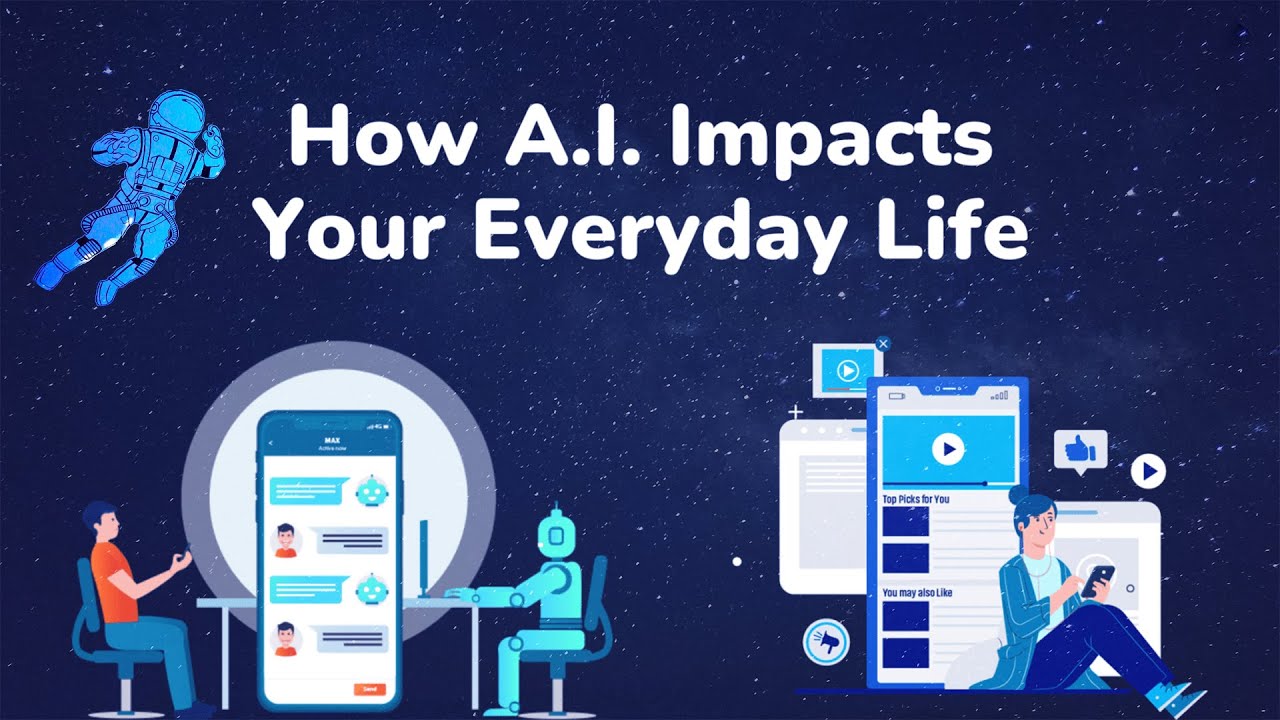
AI’s presence in daily life is no longer a futuristic concept, but a tangible reality. From personalized recommendations to automated customer service, AI algorithms are subtly yet profoundly shaping our interactions. This section will delve into specific case studies, demonstrating how AI algorithms function in real-world scenarios across diverse applications.
AI in Personalized Recommendations
Personalized recommendations, ubiquitous in online shopping and entertainment platforms, exemplify the power of AI in tailoring experiences to individual preferences. These systems learn user behavior through interactions, analyzing past purchases, watched videos, or read articles. By identifying patterns and preferences, they predict future choices, delivering relevant suggestions. For instance, Netflix uses sophisticated AI algorithms to analyze viewing history, genre preferences, and ratings to recommend movies and shows tailored to each user.
This personalized experience increases engagement and satisfaction.
AI in Fraud Detection
Financial institutions leverage AI for robust fraud detection systems. These systems analyze vast datasets of transactions, identifying unusual patterns and anomalies that might indicate fraudulent activity. Machine learning algorithms are trained on historical transaction data, learning to distinguish legitimate transactions from potentially fraudulent ones. For example, banks use AI to detect unusual spending patterns, such as large sums transferred to unfamiliar accounts, or transactions made from unfamiliar locations.
Such early detection can prevent significant financial losses.
AI in Healthcare Diagnosis
AI is increasingly playing a vital role in healthcare diagnostics. Medical imaging analysis, for example, uses AI algorithms to detect subtle abnormalities in X-rays, MRIs, and CT scans that might be missed by human radiologists. Algorithms are trained on massive datasets of medical images, learning to identify patterns associated with various diseases. A notable example is the use of AI in the early detection of diabetic retinopathy, an eye disease associated with diabetes.
AI algorithms can analyze retinal images to detect early signs of the disease, enabling timely intervention and preventing vision loss.
AI in Customer Service Chatbots
Many companies utilize AI-powered chatbots for customer service. These chatbots can answer frequently asked questions, provide support, and resolve simple issues, freeing up human agents to handle more complex problems. The algorithms behind these chatbots are trained on vast amounts of conversational data, learning to understand natural language and respond appropriately. A common example is a chatbot on an e-commerce website that can answer questions about product availability, shipping information, and returns.
This automated service provides instant support, enhancing customer experience.
AI in Education and Learning
Artificial intelligence (AI) is rapidly transforming the educational landscape, offering innovative tools and personalized learning experiences for students of all ages. AI’s ability to adapt to individual needs and provide targeted support makes it a valuable asset in the modern classroom. This section explores the applications of AI in education, highlighting its potential benefits and drawbacks.
AI-Powered Educational Tools and Platforms
AI is driving the development of sophisticated educational tools and platforms that cater to diverse learning styles and needs. These platforms leverage AI algorithms to adapt content, provide personalized feedback, and track student progress. Examples include adaptive learning platforms that adjust the difficulty of exercises based on student performance and virtual tutors that provide individualized support.
Personalization of Learning Experiences
AI empowers educators to tailor learning experiences to individual student needs. By analyzing student performance data, AI algorithms can identify areas where students excel and areas requiring additional support. This allows for personalized learning paths, ensuring students receive the most effective instruction and resources for their specific needs.
AI in Grading, Feedback, and Assessment
AI is increasingly used to automate aspects of grading, feedback, and assessment. AI-powered tools can quickly and objectively evaluate student work in various formats, such as essays, coding assignments, and multiple-choice tests. These tools can provide immediate feedback, identifying areas of strength and weakness, and guiding students toward improvement. Furthermore, AI can offer suggestions for improvement, fostering a deeper understanding of the material.
The AI-generated feedback often focuses on specific aspects of the student’s work, facilitating targeted learning.
Benefits of AI in Education
AI’s implementation in education offers a multitude of potential benefits. It can significantly reduce the workload of educators, allowing them to focus on more complex tasks such as curriculum development and student interaction. Personalized learning experiences can lead to improved student engagement and outcomes. AI can also facilitate equitable access to quality education, providing support to students in underserved communities.
Moreover, AI tools can enhance the accessibility of education for students with disabilities by providing tailored support and adjustments.
Drawbacks of AI in Education
Despite the potential benefits, the integration of AI in education also presents certain challenges. One concern is the potential for bias in AI algorithms, which could perpetuate existing inequalities in the educational system. There is also the question of ensuring equitable access to AI-powered tools and platforms, especially for students in under-resourced schools. The need for ongoing training and professional development for educators to effectively utilize AI tools is also a critical factor.
Furthermore, the over-reliance on AI could potentially diminish the human interaction and mentorship crucial for holistic student development.
Last Word

In conclusion, the pervasiveness of AI in our daily lives is undeniable. From personalized recommendations to advanced medical diagnostics, AI’s impact is substantial and continuously evolving. This exploration has highlighted the diverse applications and implications of AI across various sectors. As AI continues to advance, it’s crucial to understand its impact on our society and how we can leverage it responsibly.